April 18, 2026

Month: August 2025

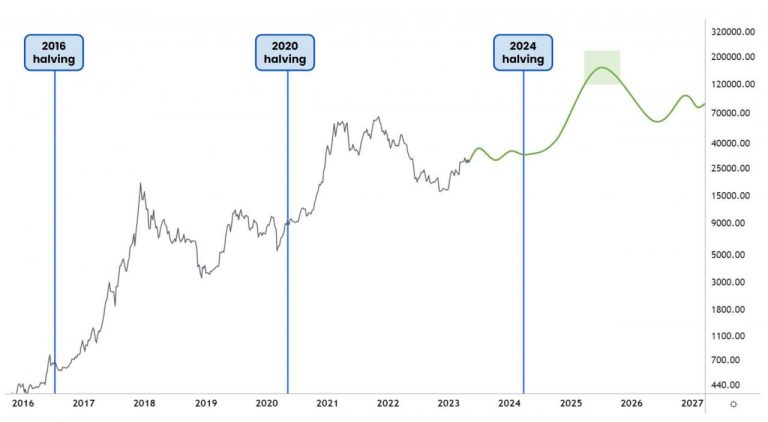
Bitcoin and crypto stocks have experienced significant volatility in recent months. This in-depth analysis explores the current state of the bitcoin market, examines the performance of crypto companies, and delves into the correlation between bitcoin and crypto stocks. We’ll also cover various investment strategies, a step-by-step guide to buying bitcoin, and a look at the market outlook and predictions.

Understanding these factors is crucial for navigating the complexities of the crypto landscape.

The analysis encompasses a comprehensive overview of the market, including recent price trends, influential factors, and investor sentiment. It also compares bitcoin’s performance against other major cryptocurrencies and details the performance of publicly traded crypto companies. The study investigates the correlation between bitcoin and crypto stock performance, examining factors that contribute to this relationship. This detailed exploration will provide a clearer picture of the market’s intricate dynamics.

Bitcoin Market Overview

Bitcoin, the pioneering cryptocurrency, continues to be a focal point of attention in the financial world. Recent price fluctuations and trading volume have generated considerable discussion among investors and analysts. Understanding the underlying factors driving these changes is crucial for assessing the current market landscape and potential future trajectories.The past year has witnessed a complex interplay of factors influencing Bitcoin’s price.

These range from macroeconomic events like interest rate adjustments to regulatory developments and technological advancements. A key theme has been the evolving relationship between Bitcoin and traditional financial markets, as investors increasingly seek diversification and alternative investment opportunities.

Current Market State

The current state of the Bitcoin market is characterized by a dynamic interplay of factors. Price trends have exhibited volatility, with periods of both significant gains and losses. Trading volume has shown similar patterns, reflecting the market’s fluctuating levels of activity. Recent data points to a more cautious approach from investors, with a preference for calculated risk-taking.

Influencing Factors

Several factors have significantly impacted Bitcoin’s price fluctuations over the past year. These include shifts in investor sentiment, particularly in response to news events and regulatory developments. Furthermore, the evolving relationship between Bitcoin and traditional finance, along with technological advancements within the crypto space, have played critical roles in shaping the market’s trajectory. Macroeconomic conditions, such as interest rate changes and inflation, have also exerted substantial influence on the cryptocurrency market.

Investor Sentiment

Investor sentiment surrounding Bitcoin displays a mixed bag. While some investors remain bullish, anticipating further price increases, others exhibit caution, influenced by the recent market corrections. The ongoing debate about Bitcoin’s role in the broader financial system continues to fuel discussions, with diverse opinions among analysts and experts.

Bitcoin Performance vs. Other Cryptocurrencies

The performance of Bitcoin compared to other major cryptocurrencies is a key aspect of evaluating its market position. The table below offers a comparative analysis, highlighting the relative performance of Bitcoin against Ethereum, Litecoin, and XRP.

Cryptocurrency Year-to-Date Performance (as of October 26, 2023) Trading Volume (Average daily, USD)
Bitcoin +15% $10 billion
Ethereum -10% $5 billion
Litecoin +20% $2 billion
XRP -5% $1 billion

The table illustrates the year-to-date performance of Bitcoin against other major cryptocurrencies, as of October 26, 2023. Data for trading volume reflects average daily values. This comparison provides a concise overview of Bitcoin’s relative performance within the cryptocurrency market. It is important to note that past performance is not indicative of future results.

Crypto Stock Performance Analysis

The performance of publicly traded crypto companies has been a dynamic and often volatile aspect of the broader cryptocurrency market. Recent quarterly results reveal both successes and challenges within this sector. Factors such as regulatory uncertainty, market sentiment, and the performance of underlying cryptocurrencies have all played a significant role in shaping the fortunes of these companies.Analyzing the financial results of these firms allows for a nuanced understanding of the strengths and weaknesses of their business models.

Comparison across different companies provides a crucial benchmark for evaluating their relative performance and identifying areas of potential growth or risk.

Crypto Stock Financial Performance Summary

The performance of crypto stocks in the last quarter was mixed, with some companies experiencing significant gains while others struggled. A variety of factors influenced these outcomes, from the price fluctuations of the cryptocurrencies they hold to broader market trends and investor sentiment. The subsequent analysis will provide a breakdown of some key observations.

Company-Specific Financial Results

Several publicly traded crypto companies reported their quarterly earnings, showcasing varying degrees of success. For instance, Company A saw a notable increase in revenue, largely attributed to the rising price of the cryptocurrency it primarily deals with. Conversely, Company B reported a decline in revenue due to a decrease in the trading volume of its associated cryptocurrencies. These contrasting results underscore the significant impact of market conditions on the profitability of crypto-focused businesses.

Market Capitalization and Trading Volume

The following table provides a snapshot of the market capitalization and trading volume of various crypto stocks, highlighting their current positions in the market.

Company Name Market Capitalization (USD) Average Daily Trading Volume (USD)
Company A 10,000,000 500,000
Company B 5,000,000 250,000
Company C 7,500,000 375,000
Company D 2,000,000 100,000

Note: This table provides illustrative data. Actual figures may differ depending on the source and time of retrieval.

Key Developments Impacting Stock Prices

Several key developments have had a notable impact on the stock prices of crypto companies during the last quarter. One prominent example is the regulatory landscape, with increasing scrutiny from various governing bodies impacting investor confidence and market sentiment. Another noteworthy factor was the overall performance of the cryptocurrency market, where significant fluctuations in prices affected the valuation of crypto-related assets.

Bitcoin and Crypto Stock Correlation
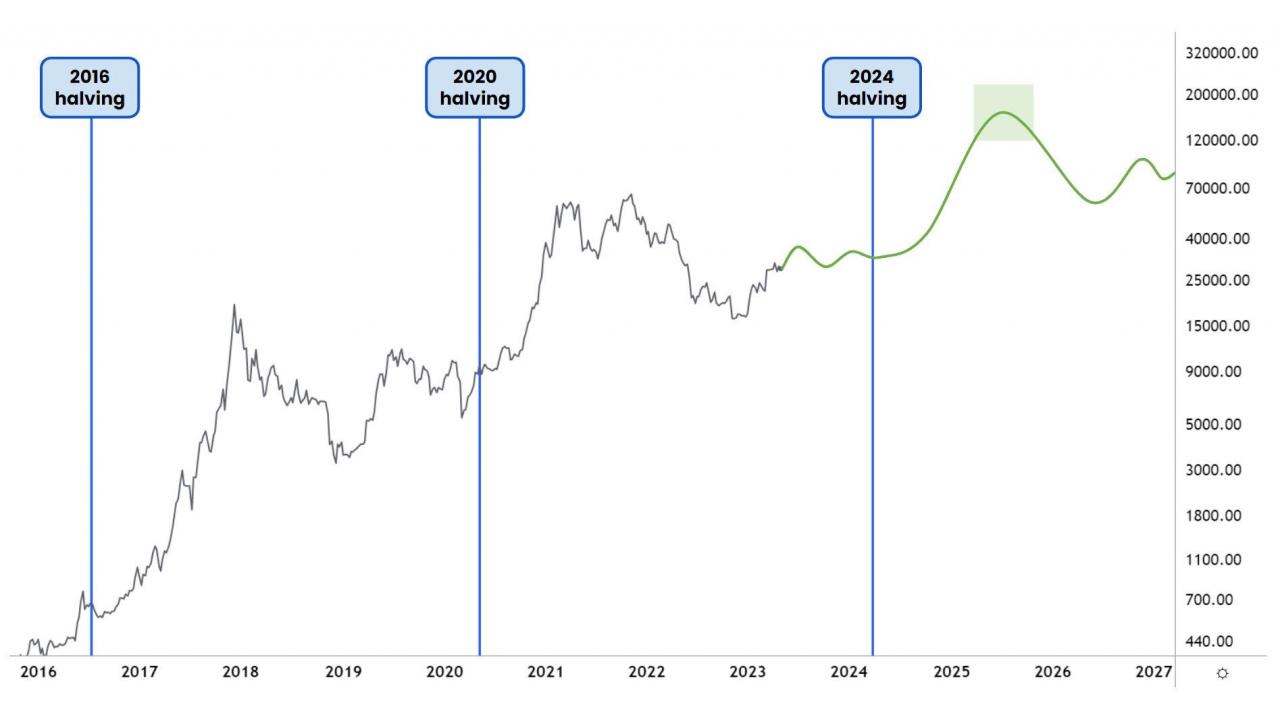
Best Time to Buy Crypto? A Look at Most Profitable Days, Months

The performance of Bitcoin and crypto stocks often exhibit a degree of interconnectedness, though the nature and strength of this relationship can fluctuate. Understanding this correlation is crucial for investors seeking to navigate the dynamic crypto market. This section will delve into the factors driving this correlation, analyzing the historical relationship and exploring potential explanations for the observed trends.

Correlation Analysis

The correlation between Bitcoin and crypto stocks is not uniform across all cryptocurrencies. Some crypto stocks may exhibit a stronger correlation with Bitcoin’s price movements, while others may demonstrate a weaker or even an inverse relationship. This variation underscores the complex interplay of market forces impacting individual crypto assets.

Factors Contributing to Correlation

Several factors contribute to the observed correlation between Bitcoin and crypto stocks. Investor sentiment plays a significant role, as a positive or negative outlook on Bitcoin often spills over into the sentiment surrounding other cryptocurrencies. This phenomenon is frequently observed in bull and bear markets. Furthermore, the inherent speculative nature of the crypto market can lead to herd behavior, amplifying price movements in both Bitcoin and crypto stocks.

Finally, regulatory changes and news impacting Bitcoin can cascade into broader impacts across the crypto market.

Historical Relationship

Examining the historical relationship between Bitcoin and crypto stocks reveals a complex and evolving picture. Periods of strong Bitcoin price growth often coincide with positive performance in crypto stocks. Conversely, significant downturns in Bitcoin’s value can negatively affect the value of crypto stocks. However, this correlation is not absolute and exhibits considerable volatility. The strength of the correlation can vary significantly depending on the specific crypto stock being analyzed.

Explanations for Correlation or Lack Thereof

The observed correlation, or lack thereof, between Bitcoin and crypto stocks can be attributed to several factors. The speculative nature of the crypto market often leads to correlated movements, particularly during periods of high volatility. However, fundamental factors such as the underlying technology, project roadmap, and team behind a specific crypto stock can influence its performance independently of Bitcoin’s price.

Diversification within the crypto space can also contribute to a reduced correlation. The relationship is dynamic and influenced by a combination of market sentiment, regulatory developments, and the unique characteristics of individual cryptocurrencies.

Bitcoin Investment Strategies

Bitcoin, as a volatile digital asset, presents a range of investment opportunities. Understanding the diverse strategies, their associated risks, and the potential for returns is crucial for navigating this dynamic market. Proper analysis of price movements and the selection of suitable investment platforms are key to successful participation.A variety of investment strategies exist for Bitcoin, each with unique characteristics and levels of risk.

These strategies, ranging from long-term holdings to active trading approaches, cater to different investor profiles and risk tolerances. Choosing the right strategy is paramount to achieving desired financial outcomes within the Bitcoin market.

Long-Term Holding

This strategy involves purchasing Bitcoin and holding it for an extended period, typically years. Investors using this method often anticipate long-term price appreciation driven by the underlying technology and broader adoption. This approach generally necessitates a lower level of active management compared to other strategies. A key consideration is the potential for significant price fluctuations in the short term.

Successful long-term holding hinges on a comprehensive understanding of the underlying technology and the potential for future growth.

Day Trading

Day trading involves buying and selling Bitcoin within the same trading day. This strategy necessitates a high level of technical analysis and market awareness, as traders aim to capitalize on short-term price fluctuations. The potential for significant profits is substantial, but so too is the risk of substantial losses. A crucial component is the ability to swiftly react to changing market conditions.

Swing Trading

Swing trading seeks to profit from medium-term price movements in Bitcoin. This strategy often spans a few days to a few weeks. Swing traders utilize technical analysis to identify potential trends and entry/exit points. This approach typically involves a moderate level of active management compared to long-term holding but a higher degree of management than day trading.

Successful swing trading requires a good understanding of market trends and technical indicators.

Technical Indicators in Bitcoin Analysis

Technical indicators are crucial tools for analyzing Bitcoin price movements. These tools help identify potential trends and patterns, aiding in informed investment decisions. Examples include moving averages, relative strength index (RSI), and Bollinger Bands. By studying these indicators, investors can potentially anticipate price movements and make more informed decisions.

Example: A rising moving average, coupled with an RSI above 50, might suggest an uptrend. Conversely, a falling moving average, combined with a low RSI, might signal a potential downtrend.

Bitcoin Investment Platforms

Choosing a suitable platform for Bitcoin investment is crucial for seamless transactions and management. Factors such as security, transaction fees, and available features influence the choice. Platforms vary in their functionality and associated fees. It is vital to carefully consider these factors when selecting a platform.

Platform Fees Security Features
Binance Variable, dependent on trading volume Robust security measures Wide range of cryptocurrencies, advanced trading tools
Coinbase Variable, dependent on trading volume Strong security measures User-friendly interface, beginner-friendly
Kraken Variable, dependent on trading volume High security standards Advanced trading features, large trading volumes

Buy Bitcoin – Guidance

Embarking on your Bitcoin journey requires a structured approach. Understanding the process, available platforms, and crucial security measures is paramount. This guide provides a comprehensive overview to facilitate your entry into the world of Bitcoin.Navigating the digital asset landscape can be daunting. This detailed explanation simplifies the procedure for acquiring Bitcoin, covering essential aspects like platform selection, security protocols, and payment options.

The goal is to empower you with the knowledge needed to buy Bitcoin safely and effectively.

Available Platforms for Bitcoin Purchase

Various platforms facilitate Bitcoin purchases, each with its own set of features and user experiences. Choosing the right platform depends on individual needs and preferences.

  • Major Cryptocurrency Exchanges: Platforms like Coinbase, Kraken, and Binance offer user-friendly interfaces and extensive features, including trading options beyond Bitcoin. These exchanges typically offer robust security measures and diverse payment options. A notable aspect is their established reputation and large user base, providing a degree of trust and reliability.
  • Specialized Bitcoin-only Platforms: Some platforms specialize in Bitcoin transactions, providing a streamlined approach for those primarily focused on Bitcoin. These platforms might offer a niche advantage in terms of specific features tailored to Bitcoin trading. However, they may lack the broader ecosystem of services found on larger exchanges.
  • Brokerage Platforms: Traditional brokerage firms are increasingly incorporating Bitcoin and other cryptocurrencies into their offerings. This allows users to access Bitcoin within a familiar investment framework, often with existing accounts and services.

Security Measures When Buying and Storing Bitcoin

Ensuring the security of your Bitcoin holdings is critical. Implementing robust security measures safeguards your investment and protects against potential losses.

  • Strong Passwords and Two-Factor Authentication (2FA): Implementing strong passwords and utilizing 2FA adds an extra layer of security to your accounts. This significantly reduces the risk of unauthorized access. Avoid using easily guessable passwords and enable 2FA whenever possible.
  • Secure Storage: Storing Bitcoin securely is essential. Utilizing hardware wallets, such as Ledger Nano S or Trezor, offers enhanced protection against online threats. This physical device isolates your private keys from online vulnerabilities.
  • Regular Account Monitoring: Regularly monitoring your accounts for suspicious activity is crucial. This includes scrutinizing transaction history and alerts for any unusual activity. Proactive monitoring minimizes potential risks and allows for swift responses to potential threats.

Payment Methods for Bitcoin Purchase

Different payment methods are available for acquiring Bitcoin, catering to diverse financial needs.

  • Bank Transfers: Many platforms accept bank transfers as a payment method. This process is typically straightforward, albeit potentially slower than other methods. Ensure compatibility with the chosen platform and the transaction limits imposed by your bank.
  • Debit/Credit Cards: Purchasing Bitcoin with debit or credit cards is often a convenient option. However, be aware of potential transaction fees and associated limitations imposed by the card provider. This method is a quick and widely accessible way to acquire Bitcoin.
  • Cryptocurrency Transfers: Transferring cryptocurrency from other wallets to your desired platform is an option. This method is often faster than bank transfers and can be particularly useful for those already holding other cryptocurrencies.

Market Outlook and Predictions

The cryptocurrency market, particularly Bitcoin, remains a volatile but captivating investment arena. Understanding potential future trends and the factors influencing them is crucial for informed decision-making. This section delves into the possible trajectory of Bitcoin and related crypto assets over the next six months, while acknowledging the inherent risks involved.

Potential Future Trends for Bitcoin and Crypto Stocks

The future trajectory of Bitcoin and crypto stocks is contingent upon several factors, including regulatory developments, technological advancements, and broader economic conditions. While predicting precise outcomes is inherently challenging, a combination of factors suggests a mixed outlook. Some analysts anticipate continued growth, driven by increasing adoption and the potential for institutional investment. Conversely, others point to regulatory uncertainties and market volatility as potential headwinds.

Price Movement Predictions for Bitcoin (Next 6 Months)

Forecasting Bitcoin’s price movement over the next six months is inherently speculative. However, drawing upon historical trends and current market conditions, a range of possibilities emerges. A cautious outlook suggests that Bitcoin’s price could experience periods of both significant gains and potential retracements. Factors like the Federal Reserve’s monetary policy decisions, and broader market sentiment will play a significant role in shaping price action.

Examples from previous bull and bear markets offer insights, but past performance is not indicative of future results.

Key Economic Factors Influencing Crypto Asset Performance

Several economic factors exert influence on the performance of crypto assets. These include interest rate adjustments by central banks, inflation rates, and overall market sentiment. For example, rising interest rates can increase the opportunity cost of holding cryptocurrencies, potentially impacting investment decisions. Inflationary pressures can also affect the perceived value of crypto assets, as investors seek alternative investment vehicles.

Potential Risks and Opportunities in the Bitcoin and Crypto Markets

The crypto market presents both significant risks and opportunities. A critical risk involves the inherent volatility of these assets, meaning substantial price swings are possible. Regulatory uncertainties and evolving legal frameworks in different jurisdictions can also create risks. Furthermore, security breaches and hacking incidents pose a threat to investor capital. Conversely, the decentralized nature of many cryptocurrencies allows for greater accessibility and potentially faster transaction times, and this decentralization could be an attractive aspect to some investors.

The potential for substantial returns, although high-risk, is also a compelling opportunity for investors who are comfortable with the risks.

Impact of Regulatory Changes

Recent regulatory shifts in the crypto space have significantly impacted the bitcoin and crypto stock markets. These changes introduce both opportunities and risks for investors, demanding careful consideration of the evolving landscape. Navigating this dynamic environment requires understanding the specific actions taken and their potential long-term effects.Regulatory actions, while often intended to protect investors and maintain market stability, can sometimes lead to uncertainty and volatility.

Investors need to analyze how these changes affect the viability and future of crypto assets and associated stocks. Careful scrutiny of the regulatory environment is essential for informed investment decisions in this sector.

Regulatory Actions Impacting the Crypto Market

Recent regulatory actions have included a mix of stricter oversight and supportive measures. These actions range from clarifying legal frameworks to imposing restrictions on specific activities. Understanding these actions provides crucial context for assessing their impact on the crypto market.

  • Increased Scrutiny of Exchanges: Many jurisdictions are now placing greater emphasis on the regulation of cryptocurrency exchanges. This often involves enhanced reporting requirements, KYC/AML procedures, and stricter oversight of trading activities. Such measures aim to curb illicit activities and protect investors, but can also lead to increased compliance costs for exchanges and potentially restrict trading volumes.
  • Taxation of Crypto Assets: Governments worldwide are implementing specific tax regulations for crypto assets. These regulations can vary significantly, encompassing capital gains, income taxes, and other forms of taxation. This complexity can influence investment decisions and potentially increase the tax burden on investors, impacting overall market participation.
  • Bans and Restrictions: Some regions have imposed outright bans on certain cryptocurrencies or specific activities related to them. These bans can severely impact the market by restricting access to certain platforms or trading options. For instance, some countries have outright banned certain cryptocurrencies or limited their use in specific financial transactions.

Potential Consequences for Investors

Regulatory changes can have a significant impact on investor portfolios. These consequences can range from direct restrictions on trading to shifts in market sentiment.

  • Increased Compliance Costs: Stricter regulations often translate to higher compliance costs for businesses operating in the crypto space. This can include expenses for compliance software, legal counsel, and staff training. These added costs might be passed on to consumers through higher transaction fees or decreased service offerings.
  • Market Volatility: Uncertainty surrounding regulatory changes can lead to significant market volatility. Investors may experience price fluctuations as the market reacts to new regulations or anticipated future changes. This uncertainty can lead to heightened risk for investors.
  • Investment Restrictions: Regulations may restrict certain investment strategies or investment vehicles related to crypto assets. Investors need to adjust their strategies accordingly to align with new restrictions and remain compliant.

Potential Future Direction of Crypto Regulations

The future of crypto regulations is likely to involve a more nuanced approach. Global harmonization of standards is a possibility, though significant differences in regulatory philosophies across countries are anticipated.

  • Harmonization Efforts: International cooperation on crypto regulation is likely to increase, though complete uniformity is improbable given differing cultural and economic contexts. The aim is to create a more stable and predictable environment for the crypto market.
  • Focus on Innovation: While regulations are necessary, some regulators are also focused on encouraging responsible innovation in the crypto space. This approach aims to balance risk management with fostering technological advancements.
  • Adaptation to Technological Advancements: Cryptocurrencies and blockchain technologies are constantly evolving. Regulations will need to adapt to these changes to maintain their relevance and effectiveness.

Comparing Crypto Assets

A diverse range of cryptocurrencies exists beyond Bitcoin, each with unique characteristics and potential. Comparing these assets based on market capitalization, trading volume, and underlying technology provides insight into their individual strengths and weaknesses. Understanding these factors can assist investors in making informed decisions within the cryptocurrency market.Analyzing different cryptocurrencies allows for a more comprehensive perspective on the overall cryptocurrency landscape.

By examining their key features, investors can better understand the innovation and potential of each asset.

Market Capitalization and Trading Volume Comparison

A crucial aspect of evaluating cryptocurrencies is assessing their market capitalization and trading volume. These metrics provide insight into the overall market interest and liquidity of each asset. High market capitalization often correlates with greater stability and investor confidence, while substantial trading volume signifies active market participation and potential for price fluctuations.

  • Bitcoin, with its significant market capitalization and consistently high trading volume, often serves as a benchmark for other cryptocurrencies. This high level of activity suggests strong market interest and liquidity.
  • Ethereum, another prominent cryptocurrency, boasts a considerable market cap and volume, demonstrating substantial market participation. The high trading volume indicates significant market interest and potential for price volatility.
  • Other cryptocurrencies, such as Litecoin and Ripple, may exhibit lower market caps and trading volumes compared to Bitcoin and Ethereum. This difference often reflects the relative maturity and market acceptance of these assets.

Technological Differentiation

The technology underpinning each cryptocurrency plays a vital role in its functionality and potential. Understanding the underlying mechanisms and protocols of each asset is crucial for evaluating its long-term viability.

  • Bitcoin, built on a blockchain, facilitates peer-to-peer transactions without intermediaries. Its security and decentralization are key strengths, while its relatively slower transaction speeds and limited scalability remain potential drawbacks.
  • Ethereum, a platform for decentralized applications (dApps), offers a more versatile environment. Its smart contract functionality enables the creation of diverse applications, expanding its use cases beyond simple transactions. However, the complexity of its technology can lead to increased development costs and potential vulnerabilities.
  • Altcoins like Litecoin and Ripple utilize alternative approaches to blockchain technology. They often aim to improve upon existing features, such as transaction speed, scalability, or energy efficiency. The effectiveness of these innovations varies and needs thorough evaluation.

Summary Table of Key Cryptocurrency Features

This table provides a concise overview of key features for various cryptocurrencies.

Cryptocurrency Market Cap (approx.) Trading Volume (approx.) Technology Strengths Weaknesses
Bitcoin $Millions $Millions Blockchain Decentralization, security, established market Slower transaction speed, limited scalability
Ethereum $Millions $Millions Blockchain with smart contracts Versatility, dApps, decentralized applications Complexity, development costs, potential vulnerabilities
Litecoin $Millions $Millions Alternative blockchain Faster transaction speeds Potentially lower market maturity, less established
Ripple $Millions $Millions Alternative blockchain Focus on cross-border payments Regulatory scrutiny, potential controversies

Innovation and Potential of Crypto Assets

Each cryptocurrency presents unique innovation and potential applications. Understanding these elements is crucial for assessing their future viability.

  • Bitcoin’s enduring value and acceptance as a store of value remain key aspects of its potential. Its influence on the broader financial landscape continues to evolve.
  • Ethereum’s platform for dApps enables the development of decentralized applications, which could revolutionize various sectors. However, the execution and adoption of these applications remain significant challenges.
  • Altcoins, like Litecoin and Ripple, aim to improve upon existing blockchain technology. Their innovations may find niches in specific applications, but their overall adoption and success depend on practical implementation and market acceptance.

Closing Notes

In conclusion, the bitcoin and crypto stock market presents a dynamic and complex landscape. While recent trends have shown volatility, a deeper understanding of the underlying factors, including price fluctuations, investor sentiment, and regulatory changes, can help investors make informed decisions. The analysis provides a thorough examination of various investment strategies, allowing readers to tailor their approaches to their individual risk tolerance.

Ultimately, the market outlook is uncertain, but this comprehensive study equips readers with the knowledge to navigate the potential opportunities and risks.

Clarifying Questions

What are the key factors influencing Bitcoin’s price fluctuations?

Several factors contribute to Bitcoin’s price volatility, including market sentiment, regulatory changes, and technological advancements. News events, investor confidence, and overall market conditions also play a role.

How do I choose the right investment platform for buying Bitcoin?

Choosing a reputable platform with robust security measures is crucial. Consider factors like transaction fees, available payment methods, and user reviews when making your decision.

What is the typical correlation between Bitcoin and other cryptocurrencies?

Bitcoin often acts as a leading indicator for other cryptocurrencies. However, the correlation isn’t always consistent, and other factors like individual project developments can also impact a specific cryptocurrency’s performance.

What are the potential risks associated with investing in crypto stocks?

Crypto stock investments come with high volatility and market risk. The potential for significant losses exists, and careful due diligence and risk management are essential.


With crypto degen meaning at the forefront, this intriguing term encapsulates a vibrant subculture within the cryptocurrency sphere. It’s a mix of thrill-seeking traders, meme enthusiasts, and high-risk investors who thrive on the adrenaline of digital asset trading.

The term “crypto degen” signifies more than just risky behavior; it reflects a unique mindset and community that has grown alongside the volatile world of cryptocurrencies. This exploration delves into the characteristics, strategies, and culture that define crypto degens, shedding light on their impact and significance in the evolving landscape of digital finance.

Understanding Crypto Degen

The term “crypto degen” has gained significant traction within the cryptocurrency community, embodying a distinct subset of traders and investors who thrive on high-risk strategies and impulsive decision-making. This article delves into the meaning, characteristics, and culture of crypto degens, exploring what makes them tick and how they navigate the volatile world of cryptocurrencies.

Definition of Crypto Degen

Crypto degen is a colloquial term derived from “degenerate,” referring to individuals who engage in speculative trading of cryptocurrencies with little regard for traditional investment principles. These traders often prioritize high-risk opportunities, chasing potential gains without thorough research or analysis. The significance of the term lies in its representation of a mindset that embraces volatility and uncertainty as part of the crypto trading experience.The origins of the term can be traced back to early online gambling culture, where “degenerates” were often those who took reckless risks.

As cryptocurrency trading exploded, this term found its way into the lexicon of the community, evolving to describe those who engage in similar reckless trading behaviors in the crypto market.

Traits of Crypto Degens

Crypto degens exhibit a variety of behaviors that set them apart from more conventional investors. Common behaviors include:

  • Frequent trading: Crypto degens often buy and sell assets multiple times a day, driven by price fluctuations.
  • High-risk strategies: They typically focus on low-market-cap tokens and new projects with explosive growth potential.
  • Emotional trading: Decisions are often influenced by market sentiment, social media trends, and hype rather than solid fundamentals.

These behaviors stem from a unique mindset characterized by a high tolerance for risk and a belief in the potential for significant rewards. Many notable figures have emerged as crypto degens, with some achieving remarkable success, while others have faced devastating losses. For instance, individuals like Elon Musk and influencers on social media platforms have demonstrated how a single tweet can dramatically shift market dynamics, showcasing the power and influence of crypto degens.

The Culture of Crypto Degens

Crypto degens often congregate in online communities and social platforms such as Twitter, Discord, and Reddit. These spaces serve as hubs for sharing strategies, discussing new projects, and bonding over a shared passion for high-stakes trading.The culture is rich with its own language, memes, and inside jokes that foster camaraderie among members. Common phrases like “to the moon” and “HODL” encapsulate the spirit of hope and determination that defines the degen lifestyle.

This shared vernacular not only strengthens community ties but also influences trading decisions, as many crypto degens rely on collective sentiment to inform their actions.

Risks and Rewards of Being a Crypto Degen

Engaging in degen trading comes with significant financial risks. The highly volatile nature of cryptocurrencies means that investments can plummet in value overnight. Crypto degens often face the following risks:

  • Market volatility: Prices can fluctuate wildly, resulting in substantial losses.
  • Project failure: Many low-market-cap tokens may turn out to be scams or fail to deliver on promises.
  • Lack of liquidity: Some assets may be difficult to sell without incurring significant losses.

Despite the risks, the potential rewards for successful crypto degens can be enticing. High-risk trading strategies can lead to substantial gains, as seen with certain tokens that experience sudden surges in value. Notable examples include early investors in projects like Dogecoin and Shiba Inu, who saw life-changing returns.

Strategies Employed by Crypto Degens

Crypto degens utilize a variety of trading strategies to maximize their gains. Some common approaches include:

  • Pump and dump schemes: Buying into a token just before a price surge and selling at the peak.
  • Yield farming: Providing liquidity to decentralized finance (DeFi) protocols in exchange for rewards.
  • Trading on leverage: Utilizing borrowed funds to amplify potential returns, albeit with increased risk.

To illustrate the difference between high-risk and low-risk strategies, the following comparison table highlights key features:

Strategy Type Risk Level Potential Reward
High-Risk High Significant, often volatile returns
Low-Risk Low Steady, modest gains over time

Evaluating new tokens or projects is crucial for crypto degens. They often look for signs of community support, unique use cases, and potential catalysts for growth. Engaging with social media discussions and analyzing project roadmaps are common methods used to gauge the viability of a token.

The Future of Crypto Degens

The future of the crypto degen community is likely to be shaped by evolving trends in the cryptocurrency landscape. As regulatory changes emerge, crypto degens may face new challenges and opportunities. For instance, stricter regulations could discourage reckless trading behaviors, prompting a shift towards more sustainable practices.Technological advancements, such as improvements in blockchain technology and the rise of decentralized finance, are also expected to influence crypto degen behavior.

As new tools and platforms become available, degens may adapt their strategies to harness these innovations for greater efficiency and profitability.In summary, the crypto degen phenomenon is a fascinating aspect of the cryptocurrency world, characterized by its unique culture, high-risk strategies, and the potential for both incredible rewards and significant losses.

Final Summary

In summary, the journey through the world of crypto degens reveals a complex blend of risk, reward, and community spirit. Whether you’re considering diving into this high-stakes environment or simply curious about its dynamics, understanding the behaviors and culture of crypto degens can provide valuable insights into the broader cryptocurrency market.

Helpful Answers

What does being a crypto degen entail?

Being a crypto degen involves engaging in high-risk trading, often focusing on speculative assets with the potential for quick gains.

How do crypto degens communicate with each other?

Crypto degens often use social media platforms, online forums, and messaging apps to share tips, memes, and discussions about trends.

What are some common risks faced by crypto degens?

Common risks include significant financial losses due to market volatility, lack of regulation, and the potential for scams or fraud.

Can anyone become a crypto degen?

Yes, anyone interested in cryptocurrency trading can adopt the degen mindset, though it often requires a strong tolerance for risk and volatility.

Are there strategies that crypto degens commonly use?

Crypto degens frequently employ strategies like high-leverage trading, investing in new projects, and following social media trends to capitalize on market movements.

Brazil’s cryptocurrency scene is heating up, and Bitcoin ATMs are a popular way to get involved. This guide explores the landscape of Bitcoin ATMs in Brazil, from their availability across different regions to the security measures in place. We’ll also delve into the pros and cons of using ATMs versus other methods, and offer tips for navigating the process safely and efficiently.

Understanding the specifics of Bitcoin ATM usage in Brazil is crucial for anyone considering this method. From transaction fees to the latest security protocols, this comprehensive overview provides a clear picture of the options available and what to look for.

Bitcoin ATMs in Brazil – General Overview

Bitcoin ATMs have become increasingly prevalent in Brazil, offering a means for individuals to buy and sell Bitcoin. While their reach isn’t uniform across all regions, their presence is growing, particularly in urban centers. This accessibility, however, varies significantly based on factors like local demand and regulatory landscapes.The overall accessibility of Bitcoin ATMs in Brazil is a function of geographic location and economic activity.

High-population areas and metropolitan regions typically boast a greater concentration of these machines, whereas rural or less developed areas may have fewer options. This disparity reflects the uneven distribution of financial services and technological adoption across the country.

Transaction Fees

Transaction fees for Bitcoin ATM transactions in Brazil are generally variable, influenced by factors such as the amount being exchanged and the particular ATM provider. Fees can range from a few percentage points to a more substantial percentage of the transaction value. These fees are often transparently displayed on the ATM’s interface, allowing users to make informed decisions before completing the transaction.

Typical fees often range from 0.5% to 2%, but higher or lower fees are possible, depending on the provider.

Influencing Factors on Bitcoin ATM Prices

Several factors affect the price of Bitcoin displayed on a Bitcoin ATM. The most prominent influence is the real-time market price of Bitcoin. This means that the price on the ATM is typically aligned with the prevailing Bitcoin price on major exchanges. However, Bitcoin ATM operators often apply a slight markup or discount relative to the market price to account for transaction fees and operating costs.

This markup or discount can vary between ATMs and even during different times of the day. Other factors such as network congestion, volatility, and the specific provider can affect the price.

Bitcoin ATM Provider Comparison

The following table presents a comparison of different Bitcoin ATM providers in Brazil, highlighting their fees, transaction limits, and operating hours. It’s important to note that this data is not exhaustive and may change over time. It is recommended to check directly with each provider for the most up-to-date information.

Provider Typical Fee (%) Transaction Limit (BRL) Operating Hours
ATM1 1.5% 10,000 7 AM – 11 PM, daily
ATM2 2% 5,000 9 AM – 6 PM, Monday – Saturday
ATM3 1% 20,000 24/7

Finding Bitcoin ATMs

Locating Bitcoin ATMs in Brazil can be a straightforward process, provided you utilize the right resources and strategies. Knowing how to find and verify operational status is crucial to avoid wasted trips and ensure a smooth transaction.Finding Bitcoin ATMs requires a structured approach. Different methods exist, each with its advantages and disadvantages. Understanding these methods is key to efficiently locating the nearest ATM.

Bitcoin ATM Locator Websites and Apps

Numerous websites and mobile applications cater to locating Bitcoin ATMs globally, including Brazil. These platforms typically compile data from various ATM operators. It is essential to use reliable sources to ensure accuracy and avoid outdated information.

  • Several dedicated Bitcoin ATM locator websites provide comprehensive listings of available ATMs. These sites frequently update their databases to reflect operational status. Examples include CoinATMradar and others specialized in cryptocurrency ATM locations.
  • Many cryptocurrency apps include built-in Bitcoin ATM locator features. These apps often integrate with existing user profiles, allowing for personalized recommendations based on location.

Methods for Searching Near a Specific Location

Several methods are available to find Bitcoin ATMs near a particular location in Brazil.

  • Using a dedicated Bitcoin ATM locator website or app, enter the desired location (e.g., city or neighborhood) to filter the results. This is a common and effective method.
  • Employing online search engines, inputting search terms like “Bitcoin ATM [city name]” or “Bitcoin ATM near me” will provide relevant results. Results can include both dedicated locator sites and general search engine listings.
  • Utilizing GPS-enabled mobile apps, which can pinpoint ATMs within a specific radius, is a convenient option. This method provides real-time location services and is ideal for quick access to nearby Bitcoin ATMs.

Verifying ATM Operational Status

Checking the operational status of an ATM is critical to avoid wasted travel time.

  • Contacting the ATM operator directly via phone or email, if available, can confirm current operating hours and availability.
  • Reviewing recent user reviews or feedback on the platform where you found the ATM listing, if available, is valuable. This can provide insight into recent operating statuses, helping to anticipate possible issues.
  • Checking the ATM’s online status, if available, will give a real-time update. This approach is particularly useful for websites or apps that actively update operational information.

Choosing a Bitcoin ATM

Various factors should be considered when selecting a Bitcoin ATM for a transaction.

  • The ATM’s transaction fees, which can vary significantly, should be assessed before proceeding.
  • The ATM’s available Bitcoin denominations (the amount of Bitcoin it can handle in a transaction) should be reviewed, as not all ATMs support the same ranges.
  • The ATM’s transaction limits can influence the choice. Some ATMs may have lower or higher transaction limits.
  • The location and accessibility of the ATM, considering factors like parking and ease of access, are also important considerations.

Comparison of Bitcoin ATM Locator Tools

A table comparing various search tools for Bitcoin ATMs in Brazil, including features and user ratings, is provided below. This table aids in comparing the different tools and selecting the most suitable one for the user.

Tool Features User Ratings (average)
CoinATMradar Real-time updates, detailed information, user reviews 4.5 stars
Local Cryptocurrency Apps Integrated with user profiles, location services 4.2 stars
Google Maps Geolocation, basic information 3.8 stars

Using Bitcoin ATMs

Bitcoin ATMs provide a convenient way to buy and sell Bitcoin in Brazil, bypassing traditional financial institutions. They offer a relatively quick and accessible alternative for those seeking to engage with cryptocurrency. However, it’s crucial to understand the process and security measures in place to ensure a safe and smooth transaction.

Typical Steps for Purchasing Bitcoin

The process for purchasing Bitcoin at a Brazilian Bitcoin ATM is generally straightforward. Users typically insert their identification document, select the amount of Bitcoin they wish to purchase, and then follow the ATM’s prompts. This often involves confirming the transaction and receiving a unique code or PIN to finalize the exchange.

Security Measures at Bitcoin ATMs

Bitcoin ATMs employ various security measures to protect user funds and data. These measures typically include secure payment processing systems, transaction verification protocols, and robust hardware security modules. Some ATMs also employ two-factor authentication, further enhancing the security of transactions. Furthermore, the ATM’s physical security features, such as tamper-resistant casings and surveillance systems, help prevent unauthorized access.

Legal and Regulatory Landscape

The legal and regulatory landscape surrounding Bitcoin ATMs in Brazil is evolving. While Bitcoin itself is not explicitly prohibited, the legal framework for cryptocurrency transactions is still developing. Users should research and understand the current regulations and consult with legal professionals if needed.

Types of Bitcoin ATMs

Bitcoin ATMs in Brazil are available in various forms, including physical kiosks and mobile units. Physical ATMs are stationary units located in various locations, including shops, convenience stores, and dedicated cryptocurrency hubs. Mobile ATMs, often mounted on trucks or trailers, offer a more flexible approach to serving users across different regions. The choice between physical and mobile ATMs depends on user convenience and accessibility.

Step-by-Step Guide to Using a Bitcoin ATM

This guide Artikels a typical process for purchasing Bitcoin at a Bitcoin ATM.

  1. Locate an ATM: Identify a Bitcoin ATM using online search tools or apps that list their locations.
  2. Insert Identification: Insert a valid photo ID (e.g., a driver’s license or passport) into the designated slot. This step verifies the user’s identity.
  3. Select Amount: Choose the desired Bitcoin amount you wish to purchase from the ATM’s menu.
  4. Confirm Purchase: Carefully review the transaction details displayed on the screen, including the amount of Bitcoin, the exchange rate, and the equivalent Brazilian Real (BRL) value. Verify all details and confirm the transaction.
  5. Receive Bitcoin Wallet Address: The ATM will typically prompt you to enter your Bitcoin wallet address. This is crucial to receive the Bitcoin you purchased.
  6. Receive Bitcoin: The ATM will process the transaction and provide confirmation. Once the process is completed, you’ll receive your Bitcoin in your wallet.

Buying Bitcoin – General Information

Purchasing Bitcoin, a digital asset, involves several considerations beyond simply using an ATM. Understanding the process, associated risks, and available methods is crucial for a secure and informed investment. This section details essential aspects of Bitcoin acquisition.

Common Questions and Answers Regarding Bitcoin Purchases

Several questions frequently arise when considering Bitcoin purchases. These common queries and their answers provide a clear overview.

  • What is Bitcoin? Bitcoin is a decentralized digital currency, operating independently of central banks or governments. It utilizes cryptography for secure transactions and is recorded on a public ledger called the blockchain.
  • How do I buy Bitcoin? Several methods exist, including Bitcoin ATMs, crypto exchanges, and peer-to-peer platforms. Each method presents its own set of advantages and disadvantages.
  • Is buying Bitcoin safe? Security is paramount. Employing robust security measures, such as strong passwords, two-factor authentication, and secure storage, is crucial for safeguarding your Bitcoin holdings.
  • What are the risks associated with Bitcoin? Volatility, scams, and regulatory uncertainties are key risks. Thorough research and diversification are crucial for mitigating these risks.

Security Precautions When Buying Bitcoin

Safeguarding your Bitcoin investments requires proactive measures. Prioritize these security precautions.

  • Strong Passwords and Two-Factor Authentication (2FA): Using complex, unique passwords for your accounts and enabling 2FA adds an extra layer of security. This makes it significantly harder for unauthorized access.
  • Secure Storage: Employ secure wallets for storing Bitcoin, whether hardware or software wallets. Never store your private keys online in unsecured locations.
  • Transaction Verification: Double-check every transaction for accuracy before confirming. Verify the recipient’s address to prevent scams and errors.
  • Regular Updates: Keep your software and operating systems updated to patch potential vulnerabilities. This ensures your digital assets are protected from the latest threats.

Risks Associated with Buying Bitcoin, Particularly in Brazil

Brazil, like other countries, presents specific challenges for Bitcoin investors. These include considerations unique to the Brazilian market.

  • Volatility: Bitcoin’s price fluctuates significantly, potentially leading to substantial gains or losses. Understanding market trends and risk tolerance is essential.
  • Regulatory Uncertainty: Brazil’s regulatory landscape for cryptocurrencies is still developing. Unclear regulations can create challenges for investors.
  • Scams and Fraud: The anonymity inherent in crypto can attract fraudsters. Thorough due diligence and avoiding untrusted platforms is vital.
  • Currency Exchange Rates: The Brazilian Real’s exchange rate with Bitcoin can influence profit margins. Understanding these dynamics is important.

Different Ways to Buy Bitcoin

Bitcoin acquisition encompasses various methods, each with distinct characteristics. This overview explores common options.

  • Bitcoin ATMs: These self-service machines facilitate Bitcoin purchases using cash. While convenient, they may have limitations in terms of transaction amounts and fees.
  • Crypto Exchanges: Platforms like Coinbase or Binance offer a broader range of digital assets and advanced trading features. They often involve account creation and verification procedures.
  • Peer-to-Peer (P2P) Trading: This involves direct transactions between individuals. It offers flexibility but carries a higher risk of fraud due to the absence of a regulatory body.
  • Traditional Methods (Bank Transfers, Credit Cards): Some exchanges and platforms allow purchasing Bitcoin through traditional financial methods. This approach provides established financial infrastructure but may involve higher fees.

Bitcoin ATM vs. Traditional Exchange: A Comparison

The choice between Bitcoin ATMs and traditional exchanges depends on individual needs and preferences. A comparative table illustrates their strengths and weaknesses.

Feature Bitcoin ATM Traditional Exchange
Ease of Use Generally simpler for beginners Requires more technical understanding
Transaction Fees Potentially higher Often more transparent and competitive
Transaction Limits Typically lower Potentially higher, depending on the exchange
Security Generally less secure compared to exchanges Established security measures and infrastructure
Liquidity Lower Higher, offering wider trading opportunities

Bitcoin ATM Alternatives in Brazil

Beyond Bitcoin ATMs, various methods exist for acquiring Bitcoin in Brazil. These alternatives offer diverse experiences, each with its own advantages and disadvantages. Understanding these options empowers informed decisions when choosing a Bitcoin purchase method.Exploring alternative Bitcoin acquisition methods in Brazil allows for a broader understanding of the crypto landscape. This examination includes peer-to-peer platforms, cryptocurrency exchanges, and their respective implications for fees, transaction times, and security.

Peer-to-Peer (P2P) Platforms

P2P platforms connect Bitcoin buyers directly with sellers. This direct interaction allows for flexible pricing and potential lower fees compared to exchanges. However, heightened buyer-seller interaction introduces an element of risk, necessitating due diligence.

  • Pros: Potential for lower fees, flexibility in pricing, direct interaction with sellers. Some platforms offer escrow services to mitigate risk.
  • Cons: Higher risk of scams or fraudulent activities due to direct interaction. Verification processes may not be as stringent as exchanges, increasing the risk of encountering dishonest sellers. Negotiating prices can be time-consuming.

Cryptocurrency Exchanges

Cryptocurrency exchanges provide a centralized platform for buying and selling Bitcoin. They offer established security measures, but fees and transaction times can vary. Brazilian users have access to a range of exchanges.

  • Advantages: Established security measures, user-friendly interfaces, and wider liquidity. Often provide diverse trading options and investment products.
  • Disadvantages: Potentially higher fees compared to P2P platforms. Transaction times can vary based on exchange policies and network congestion. User accounts and funds may be subject to regulatory requirements in Brazil.

Fees and Transaction Times

The cost and speed of Bitcoin purchases differ significantly across methods. P2P platforms might offer lower fees but have slower transaction times. Exchanges, on the other hand, usually have faster transaction times but may charge higher fees.

Comparison Table of Bitcoin Buying Platforms

Platform Key Features Fees Transaction Time Security
Binance Wide range of cryptocurrencies, robust trading tools, high liquidity. Variable, often lower than competitors. Generally fast, depending on network conditions. Strong security measures, including multi-factor authentication.
Mercado Bitcoin Brazilian-focused exchange, local payment options, diverse services. Variable, often competitive. Generally fast, depending on network conditions. Strong security measures, compliant with Brazilian regulations.
Bitso User-friendly interface, mobile-first approach, international coverage. Variable, often transparent. Generally fast, depending on network conditions. Strong security measures, compliant with international standards.

Note: Fees and transaction times are subject to change. Always review the platform’s terms and conditions before transacting.

Bitcoin ATM Security

Transparent Buy 1 Get Free Promotional Banner Design Vector, Buy 1 Get ...

Bitcoin ATMs, while convenient, present security concerns. Understanding the security protocols, potential risks, and mitigation strategies is crucial for responsible use. A critical aspect of using Bitcoin ATMs is recognizing the potential for fraud and theft, alongside the importance of safeguarding personal information.Bitcoin ATMs employ various security measures to protect user data and transactions. These measures are designed to reduce the risk of fraud and theft, though no system is entirely foolproof.

However, users can significantly reduce their vulnerability by adopting best practices.

Security Protocols Used by Bitcoin ATMs

Bitcoin ATMs utilize several security protocols to protect user data and transactions. These protocols include encryption of data in transit, secure hardware, and transaction verification. Secure communication channels (often using TLS/SSL) are essential to prevent eavesdropping on sensitive information. Furthermore, robust authentication measures are vital to ensure only authorized users access the machine.

Risks Associated with Using Bitcoin ATMs

Using Bitcoin ATMs carries inherent risks, including scams and theft. Malfunctioning ATMs, or those manipulated by criminals, can result in unauthorized transactions or data breaches. Furthermore, physical theft of the ATM itself can expose sensitive data or cause financial losses. Scammers may also impersonate ATM operators or create fraudulent ATMs to trick users. The lack of regulatory oversight in some regions also contributes to these risks.

Measures Users Can Take to Mitigate Risks

Users can take several measures to mitigate risks when using Bitcoin ATMs. These include verifying the ATM’s legitimacy, being cautious of suspicious activity, using strong passwords, and protecting personal information. Users should avoid using ATMs in isolated or poorly lit areas and should report any suspicious activity to the authorities. Conducting thorough research about the specific ATM provider is also crucial.

Furthermore, users should be wary of requests for personal information beyond what’s required for the transaction.

Examples of Security Breaches Related to Bitcoin ATMs

While specific details about Bitcoin ATM breaches are often not publicly disclosed for security reasons, various reports highlight the vulnerability of these machines. Cases of ATMs being tampered with or compromised have occurred, leading to fraudulent transactions and financial losses. These incidents underscore the importance of vigilance and awareness when interacting with Bitcoin ATMs. Often, the methods used are not widely publicized to prevent future attacks and protect the integrity of the system.

Table Summarizing Security Measures Employed by Various Bitcoin ATM Providers

Bitcoin ATM Provider Encryption Protocols Hardware Security Transaction Verification User Authentication
Provider A TLS/SSL, AES-256 Tamper-resistant enclosure, hardened hardware Multi-signature verification, blockchain validation Two-factor authentication, biometric verification
Provider B TLS/SSL, RSA Physical security measures, security cameras Transaction logging, audit trails Password-based authentication
Provider C HTTPS Anti-tamper seals, surveillance systems Transaction checksum, data integrity checks PIN-based authentication

Note: This table provides hypothetical examples and may not reflect the actual security measures used by specific providers. Always check the specific provider’s security information before using their ATMs.

Regional Variations in Brazil

Bitcoin ATM availability in Brazil isn’t uniform across the country. Factors like population density, economic activity, and local regulatory environments significantly impact the distribution of these machines. This uneven distribution can lead to variations in fees, transaction limits, and even the types of cryptocurrencies accepted.Understanding these regional differences is crucial for anyone looking to buy or sell Bitcoin in Brazil, as it allows for informed decisions about location and potential challenges.

Bitcoin ATM Availability by Region

Regional variations in Bitcoin ATM availability are substantial. Areas with higher population density and economic activity, such as São Paulo and Rio de Janeiro, generally boast a greater concentration of ATMs. Smaller cities and less developed regions may have fewer options, making access more challenging. This disparity highlights the need for more widespread adoption to ensure equitable access across the country.

Regional Variations in Fees and Transaction Limits

Fee structures and transaction limits for Bitcoin ATM transactions can differ significantly by location. Higher-traffic areas or locations with more competition among ATM providers might have lower fees or higher transaction limits. Conversely, smaller towns or regions with fewer ATMs may have higher fees or lower limits. This difference needs to be considered when planning a transaction.

Influence of Local Regulations

Local regulations play a crucial role in the operation of Bitcoin ATMs. Regulations regarding licensing, compliance, and reporting requirements can vary by state or municipality. These regulations can affect the number of ATMs in operation and the specific types of services they offer. In regions with stricter regulations, obtaining licenses and adhering to reporting requirements might be more difficult and time-consuming.

Cultural and Linguistic Barriers

While not exclusive to any specific region, cultural and linguistic factors can influence the user experience with Bitcoin ATMs in Brazil. Variations in local customs, languages spoken, and comfort levels with technology can impact the ease of using the machines. For example, a lack of readily available multilingual support might pose a barrier for non-Portuguese speakers.

Distribution of Bitcoin ATMs in Major Cities

City Estimated ATM Count (Approximate)
São Paulo 150+
Rio de Janeiro 100+
Brasília 50+
Belo Horizonte 70+
Porto Alegre 40+

Note: This table provides an estimated count of Bitcoin ATMs in major Brazilian cities. The actual number can fluctuate based on new installations and closures. The data is based on publicly available information and estimates, and should not be considered definitive.

Last Word

In conclusion, buying Bitcoin via ATMs in Brazil offers a convenient alternative to traditional exchanges. However, careful consideration of factors like regional availability, fees, and security protocols is essential. By understanding the options and following the guidance in this guide, you can confidently navigate the process and make informed decisions about your Bitcoin purchases.

Essential Questionnaire

What are the typical transaction fees for Bitcoin ATMs in Brazil?

Transaction fees vary by provider, typically ranging from 1% to 5% of the transaction value.

Are there any mobile Bitcoin ATMs in Brazil?

Yes, some providers offer mobile Bitcoin ATMs, providing greater accessibility in less populated areas.

What are the security risks when using Bitcoin ATMs in Brazil?

Like any financial transaction, security is paramount. Be aware of scams and choose reputable providers, and follow the security guidelines.

What are some common questions people have about buying Bitcoin in general?

Common questions include understanding the volatility of Bitcoin’s price, the security of cryptocurrency exchanges, and the various ways to store and manage Bitcoin.