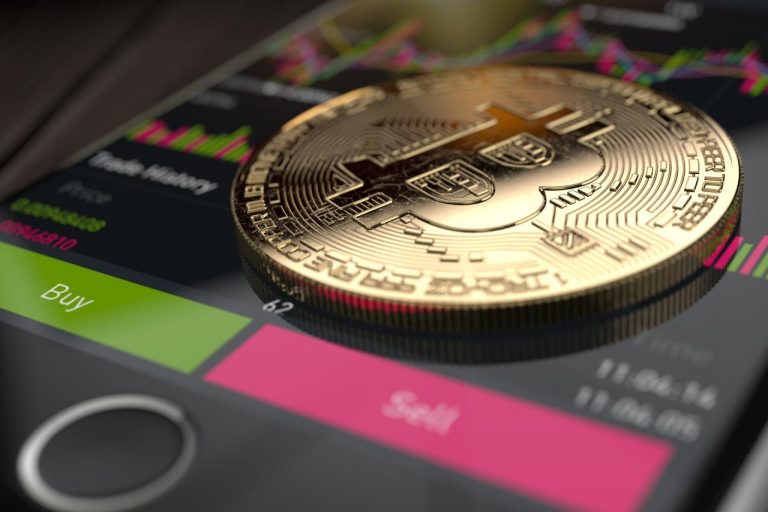
Bitcoin APKs are mobile applications that provide access to the world of Bitcoin. These apps, ranging from wallets to trading platforms, have become increasingly important for managing and interacting with Bitcoin. This guide delves into the intricacies of Bitcoin APKs, from their security considerations to practical usage.
Understanding the functionalities and potential risks associated with Bitcoin APKs is crucial for safe and effective use. This comprehensive guide will equip users with the knowledge to navigate the world of Bitcoin on their mobile devices.
Introduction to Bitcoin APK
Bitcoin APKs are mobile applications designed to interact with the Bitcoin network. They provide users with access to various Bitcoin functionalities, from sending and receiving cryptocurrencies to managing wallets and participating in trading activities. These apps are crucial for users to engage with the Bitcoin ecosystem without needing a desktop computer.These applications often simplify complex blockchain interactions, making Bitcoin transactions more accessible to a broader audience.
This ease of use is a significant factor in the widespread adoption of Bitcoin technology.
Bitcoin APK Functionalities
Bitcoin applications, or APKs, typically encompass a range of functionalities. These functionalities often include secure storage of private keys, facilitating peer-to-peer transactions, and providing access to market data for informed trading decisions. Users can send and receive Bitcoin, view transaction histories, and manage their Bitcoin holdings. Many apps integrate with other services, such as exchanges, to streamline the process of buying, selling, and trading Bitcoin.
Types of Bitcoin APKs
Several categories of Bitcoin APKs cater to diverse user needs. Wallet applications are fundamental, enabling secure storage and management of Bitcoin. Trading apps provide real-time market data, allowing users to buy and sell Bitcoin. These apps often feature charts, order books, and tools to track market trends. Some apps offer a combination of wallet and trading features, offering a comprehensive experience for users.
Other, more specialized applications may focus on specific Bitcoin services, like staking or mining pools.
Historical Context of Bitcoin APK Development
The development of Bitcoin APKs closely mirrored the growth of the Bitcoin network itself. Early applications were often rudimentary, focusing primarily on enabling basic transactions. As the Bitcoin ecosystem evolved, so did the functionality of the apps, incorporating features like advanced security protocols, real-time market data, and integration with other financial services. The rise of mobile technology significantly fueled the development of these apps, as it brought Bitcoin accessibility to a wider range of users.
This trend is ongoing, with new features and functionalities constantly emerging.
Comparison of Bitcoin Wallets
The security and features of Bitcoin wallets vary significantly. The following table provides a comparative overview of some popular wallets.
| Name | Features | Security |
|---|---|---|
| Coinbase Wallet | User-friendly interface, integration with Coinbase exchange, multi-currency support | Strong security measures, cold storage options |
| Exodus Wallet | Multi-currency support, offline backup capabilities, advanced security options | Robust security features, hardware wallet compatibility |
| Blockchain.com Wallet | Multi-currency support, advanced security features, intuitive design | Strong security protocols, 2FA support |
| Trust Wallet | Wide range of supported tokens, integration with decentralized exchanges, security features | Secure storage of private keys, 2FA support |
Note: This table provides a general overview. Specific features and security ratings can vary depending on the version and the specific implementation.
Security Considerations of Bitcoin APKs
Bitcoin applications, or APKs, present a unique set of security challenges. While the underlying Bitcoin technology is secure, the software implementation within the APK can contain vulnerabilities that malicious actors exploit. Users must be vigilant in protecting their digital assets.
Potential Security Vulnerabilities
Bitcoin APKs can harbor various vulnerabilities, impacting the security of user funds. These vulnerabilities stem from software flaws, potentially insecure coding practices, or inadequate testing procedures. Commonly, these flaws can manifest as buffer overflows, SQL injection, or cross-site scripting (XSS) weaknesses. Furthermore, poorly designed authentication mechanisms can allow unauthorized access to user accounts.
Common Security Threats
Several security threats target Bitcoin APKs. Malicious actors might develop fake applications masquerading as legitimate Bitcoin wallets. These counterfeit apps could steal user credentials or funds. Phishing attacks, social engineering tactics, and malware infections are also significant threats. Phishing attempts aim to trick users into divulging sensitive information, such as private keys.
Malware embedded within legitimate-looking APKs can compromise user devices and exfiltrate sensitive data.
Measures to Protect Against Malware and Scams
Several proactive measures can help users mitigate the risks associated with malicious Bitcoin APKs. Thorough scrutiny of the app’s source and developer reputation is crucial. Users should verify the developer’s credentials and check for any suspicious patterns in the app’s behavior or design. Scrutinizing reviews from other users is also important. Avoiding downloading APKs from untrusted sources is vital.
Utilizing trusted app stores like Google Play Store is recommended. Regular updates for installed Bitcoin apps are essential as they often patch security vulnerabilities.
Importance of Verifying App Sources and Developer Reputations
Verifying app sources and developer reputations is paramount to mitigating the risk of downloading malicious Bitcoin APKs. A thorough investigation into the developer’s background, including past projects and user feedback, is essential. Looking for inconsistencies or red flags in the app’s description or user reviews can help discern fraudulent intentions. Consulting reputable security resources and community forums for feedback on the specific app is advisable.
Security Best Practices
| Practice | Description | Example |
|---|---|---|
| Verify App Source | Ensure the APK originates from a trusted source. | Download only from official app stores like Google Play Store. |
| Check Developer Reputation | Research the developer’s history and reputation. | Look for reviews and ratings on the app store. |
| Examine App Permissions | Carefully review the app’s requested permissions. | Do not grant unnecessary permissions like access to contacts or device location. |
| Analyze User Reviews | Scrutinize user reviews for potential red flags or negative feedback. | Pay attention to comments about the app’s stability or security concerns. |
| Use Strong Passwords | Employ robust and unique passwords for Bitcoin wallets. | Use a combination of uppercase and lowercase letters, numbers, and symbols. |
| Enable Two-Factor Authentication (2FA) | Implement 2FA for added security layers. | Use a dedicated authenticator app or SMS-based verification. |
| Avoid Suspicious Links | Refrain from clicking on unknown or suspicious links. | Be wary of emails or messages promoting Bitcoin applications. |
Bitcoin APK Functionality and Usage
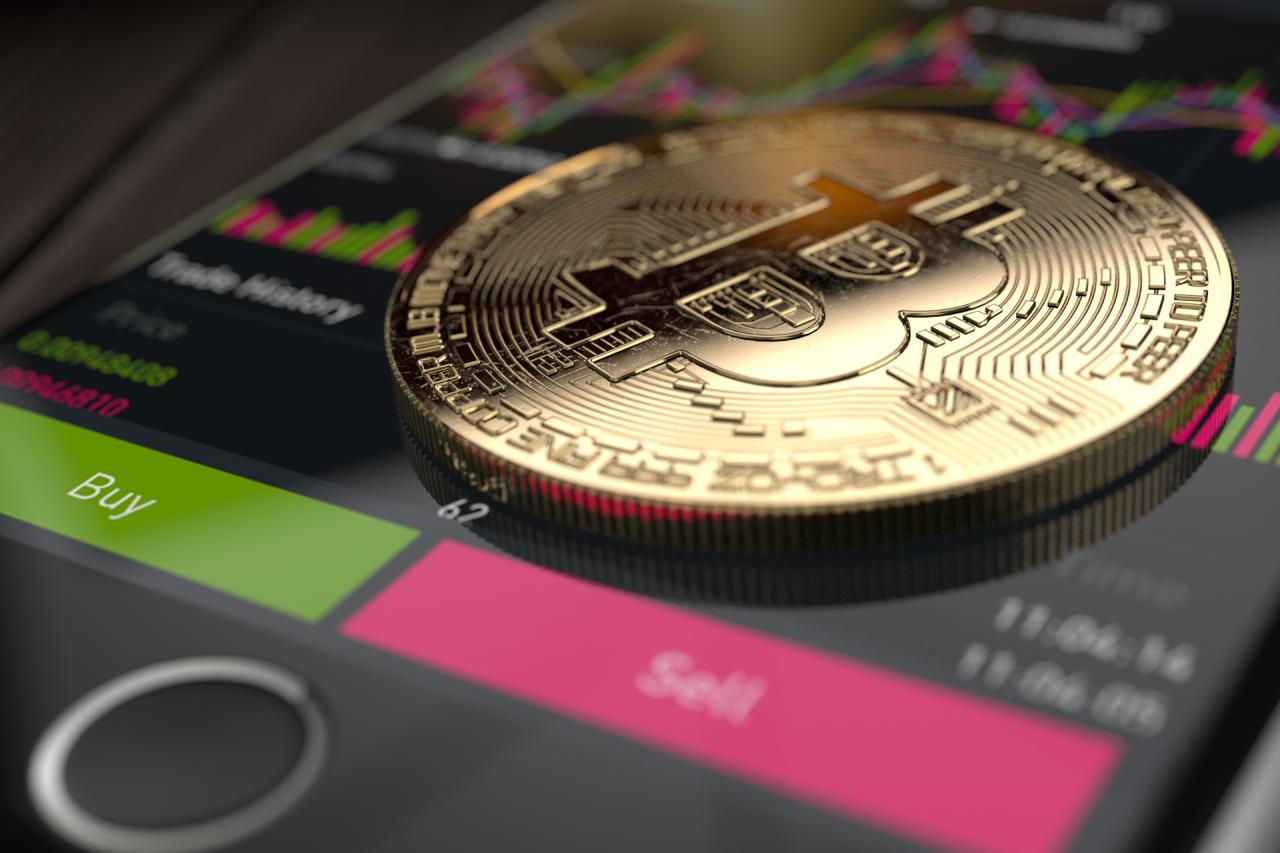
Bitcoin applications (APKs) provide a user-friendly interface for interacting with the Bitcoin network. These applications enable users to manage their Bitcoin holdings, initiate transactions, and generally engage with the cryptocurrency ecosystem. This section details the functionality and usage of Bitcoin APKS.
Available Functions in Bitcoin APKS
Bitcoin APKS offer a range of functions, empowering users to perform various tasks. These include managing wallets, sending and receiving Bitcoin, viewing transaction history, and checking Bitcoin balances. Some advanced APKS may also incorporate features like automated trading or portfolio tracking.
Sending and Receiving Bitcoins
The process of sending and receiving Bitcoins through a Bitcoin APK typically involves these steps: First, users select the recipient’s Bitcoin address. Next, they specify the amount to be sent. Subsequently, they review the transaction details and confirm the transaction. Finally, the transaction is broadcast to the Bitcoin network, and the recipient receives the Bitcoin.
Storing Bitcoins using a Bitcoin APK
Bitcoin APKS generally employ secure storage mechanisms to protect user funds. These mechanisms can include encryption and secure key management. Users must securely store their private keys, as these keys grant access to their Bitcoin holdings.
Using a Bitcoin APK for Transactions
Initiating a Bitcoin transaction within a Bitcoin APK typically requires the user to specify the recipient’s Bitcoin address, the transaction amount, and potentially additional transaction details. The APK then facilitates the process of generating a transaction, which is validated by the Bitcoin network.
Common Transaction Types
| Transaction Type | Description | Example |
|---|---|---|
| Bitcoin Payment | A direct transfer of Bitcoin from one user to another. | Sending 0.1 BTC to a friend. |
| Bitcoin Exchange | Trading Bitcoin for other cryptocurrencies or fiat currencies. | Exchanging 1 BTC for 100 USD. |
| Bitcoin Donation | Transferring Bitcoin to a charitable organization or individual. | Donating 0.05 BTC to a disaster relief fund. |
| Bitcoin Withdrawal | Retrieving Bitcoin from an exchange or other service to a user’s wallet. | Withdrawing 0.5 BTC from a cryptocurrency exchange. |
Comparison with Other Bitcoin Services
Bitcoin applications (APKs) offer a convenient way to interact with the Bitcoin network, but they aren’t the only option. Understanding the comparative advantages and disadvantages of various Bitcoin management methods is crucial for informed decision-making. This section delves into the distinctions between Bitcoin APKs and other popular services like web wallets and exchanges.
Comparison of Bitcoin Management Methods
Different approaches to managing Bitcoin offer varying levels of convenience, security, and functionality. A comprehensive comparison helps users weigh the trade-offs inherent in each method.
| Aspect | Bitcoin APK | Web Wallet | Exchange |
|---|---|---|---|
| Security | Security depends on the APK’s implementation and the user’s device security practices. Vulnerabilities in the APK or compromised devices can lead to loss. | Security often relies on strong passwords, two-factor authentication (2FA), and secure storage practices. Risks stem from compromised accounts or vulnerabilities in the wallet provider’s infrastructure. | Security measures include strong encryption, multi-factor authentication, and cold storage for funds. Risks include hacks, security breaches, or fraudulent activities on the exchange platform. |
| Usability | Generally user-friendly for those comfortable with mobile apps. May be less user-friendly for beginners. | User-friendly interfaces are common, making them accessible to a broad range of users. Navigation and features can vary. | Often require a degree of technical understanding, though interfaces are improving. Fees and trading complexities can be challenging for new users. |
| Accessibility | Accessible on mobile devices. Requires an internet connection for functionality. | Accessible through any web browser with an internet connection. | Accessible through desktop or mobile apps with internet connectivity. May involve account registration and verification processes. |
| Features | Often limited to basic transactions, sending and receiving. Some might include advanced features like QR code scanning. | May include advanced features like token management, advanced transaction options, and security enhancements. | Provides a platform for buying, selling, and trading Bitcoin, and other cryptocurrencies. Offers more extensive features, including margin trading, leveraged trading, and advanced order types. |
| Transaction Fees | Transaction fees are often lower than exchanges due to direct peer-to-peer interaction, but not always. | Transaction fees are usually relatively low and depend on the specific wallet. | Transaction fees can vary significantly based on trading volumes, and the type of order. |
Advantages and Disadvantages of Using Bitcoin APKs
Bitcoin APKs provide a specific set of advantages and disadvantages compared to other methods.
| Aspect | Bitcoin APK | Web Wallet | Exchange |
|---|---|---|---|
| Advantages | Convenience, portability, and direct access to the Bitcoin network. Potentially lower transaction fees compared to exchanges. | Accessibility from various devices, potentially lower transaction fees. Stronger security options for managing funds. | Liquidity, wide range of trading options, and potentially higher returns. Access to multiple cryptocurrencies. |
| Disadvantages | Potential security risks if the APK or device is compromised. Limited functionality compared to web wallets and exchanges. | Reliance on the web wallet provider’s security and potential downtime of the website. May require technical knowledge for certain features. | Higher transaction fees compared to direct peer-to-peer transactions. Potential for scams and market volatility. Requires a degree of understanding of the market and trading strategies. |
Buy Bitcoin
Acquiring Bitcoin involves various methods, each with its own nuances regarding fees, security, and ease of use. Understanding these options is crucial for any prospective Bitcoin buyer. Different platforms cater to varying needs and preferences, making informed choices vital for a smooth transaction.Purchasing Bitcoin typically involves using a cryptocurrency exchange or brokerage platform. These platforms facilitate transactions between buyers and sellers, providing a marketplace for digital assets.
Security measures and regulatory compliance are paramount in this process, and users should prioritize platforms with robust safeguards.
Methods of Buying Bitcoin
Different methods are available for purchasing Bitcoin, each with its own characteristics. These methods encompass various payment options, impacting the overall transaction experience.
- Credit/Debit Cards: Many exchanges accept major credit and debit cards for Bitcoin purchases. This method offers convenience for users already familiar with these payment systems. However, processing fees and potential transaction limitations should be considered.
- Bank Transfers: Bank transfers are a common method for larger Bitcoin purchases. This method usually involves transferring funds from a bank account to the exchange’s account. The process can be slower than credit card transactions, and fees may apply. Bank transfers often require additional verification steps for security.
- Other Cryptocurrency: Users can exchange other cryptocurrencies for Bitcoin on specialized platforms. This allows for a direct exchange, often with lower fees than traditional methods. However, market fluctuations and the volatility of the involved cryptocurrencies can impact the overall transaction value.
Platforms for Buying Bitcoin
Numerous platforms facilitate Bitcoin purchases. The selection of a platform often depends on factors like fees, security measures, and ease of use. These factors significantly impact the user experience.
- Exchanges: Exchanges are centralized platforms that connect buyers and sellers of Bitcoin. They often provide a wide array of trading options, but security concerns and potential hacks are inherent risks. Examples include Coinbase, Binance, and Kraken.
- Brokerages: Brokerages offer a more traditional investing approach to Bitcoin. They typically integrate Bitcoin with other investment products and services. Security and regulatory compliance are usually high priorities. Examples include Fidelity, Schwab, and TD Ameritrade.
Security and Regulatory Aspects
Security and regulatory compliance are paramount when buying Bitcoin. User vigilance and adherence to platform guidelines are crucial.
- Security Measures: Users should scrutinize the security measures implemented by platforms. Strong passwords, two-factor authentication (2FA), and cold storage options are essential components of a secure platform. Avoid platforms with a history of security breaches.
- Regulatory Compliance: Regulations surrounding Bitcoin vary by jurisdiction. Users should understand the legal framework governing Bitcoin transactions in their region. Complying with local regulations is crucial for avoiding legal complications.
Comparison of Buying Methods
Different methods of buying Bitcoin have varying characteristics. A comparative analysis is essential for informed decision-making.
| Platform | Fees | Security | Ease of Use |
|---|---|---|---|
| Coinbase | Variable, often low | High, with 2FA and strong security protocols | High, user-friendly interface |
| Binance | Variable, potentially lower for high-volume users | High, with robust security measures | Moderate, potentially complex for beginners |
| Fidelity | Variable, often higher than exchanges | High, with established brokerage security | High, familiar interface for existing brokerage users |
User Experience and Interface Design
A well-designed user interface (UI) is critical for Bitcoin application (APK) success. A seamless and intuitive experience encourages user adoption and retention. Users should feel comfortable navigating the app, performing transactions, and accessing information. Poor UI design can lead to confusion, frustration, and ultimately, abandonment of the app.Effective UI design in Bitcoin APKs goes beyond mere aesthetics.
It involves careful consideration of user needs, cognitive processes, and the inherent complexity of cryptocurrency transactions. A clear and concise presentation of information is crucial, ensuring that users can easily understand and execute tasks.
Typical Bitcoin APK Interface Analysis
Bitcoin APKs typically feature a dashboard presenting key information like wallet balances, transaction history, and current exchange rates. Navigation often involves menus or tabs for different functionalities, such as sending, receiving, and managing addresses. Security measures, such as two-factor authentication (2FA) options, are often prominently displayed. The layout and visual design elements contribute to the overall user experience.
Examples of Intuitive Bitcoin APK Interfaces
Several Bitcoin APKs employ intuitive interfaces that streamline user interactions. Some notable examples utilize a clean, modern design language, effectively communicating key information with clear visual cues. For instance, these applications might use color-coding to differentiate between different transaction types (e.g., incoming versus outgoing) or incorporate interactive charts to illustrate the historical price trends of Bitcoin. A well-organized structure of menus and sections further facilitates ease of use.
Design Elements to Improve User Experience
Several design elements can enhance the user experience within Bitcoin APKs. These include:
- Clear Visual Hierarchy: Prioritize important information visually, such as balances or transaction amounts, to guide the user’s eye and ensure immediate comprehension.
- Intuitive Navigation: Use consistent design patterns and clear labels for navigation elements (buttons, menus, tabs) to avoid user confusion.
- Accessibility Features: Implement accessibility features, such as adjustable font sizes and color schemes, to cater to users with varying needs.
- Feedback Mechanisms: Provide clear feedback to users after actions, such as transaction confirmations or error messages, to ensure transparency and understanding.
Effective feedback mechanisms are crucial for guiding users through the process and addressing potential issues. For instance, a visually prominent confirmation message after a successful transaction can reinforce user confidence. Clear error messages, presented in an easily understandable format, help users identify and resolve problems.
Importance of Clear and Concise Information Presentation
Clear and concise information presentation is essential for user understanding. Cryptocurrency terminology can be complex, so presenting technical details in an easily digestible format is vital. Use clear language and avoid jargon whenever possible. Visual aids, such as charts and graphs, can effectively communicate complex data in a user-friendly way. The design should prioritize readability and maintain a clear visual hierarchy.
UI Design Patterns for Bitcoin APKs
| Pattern | Description | Example |
|---|---|---|
| Dashboard-centric | The UI centers around a main dashboard displaying key information, like balance and transaction history. | A prominent display of wallet balance with recent transactions highlighted. |
| Tab-based navigation | Different functionalities are accessible through tabs (e.g., transactions, settings). | Navigation between sending, receiving, and managing addresses. |
| Card-based layout | Information is presented in cards, allowing for a visually appealing and organized structure. | Transaction history displayed in separate cards with relevant details. |
| Modal windows | Complex operations or forms are presented in a separate modal window, minimizing screen clutter. | Transaction details or confirmation prompts are shown in a separate pop-up window. |
Using consistent design patterns creates a familiar and predictable experience for users. This consistency enhances usability and allows users to quickly grasp the functionalities of the application.
Future Trends in Bitcoin APKs
Bitcoin application development is rapidly evolving, driven by advancements in blockchain technology and user demand. This evolution promises significant improvements in user experience, security, and functionality. The future of Bitcoin APKs hinges on how developers adapt to regulatory changes and leverage the potential of emerging technologies.Bitcoin APKs are poised for enhancements beyond current functionalities. Innovations will center on improved security protocols, streamlined user interfaces, and integration with other financial tools.
Predicting the exact features is challenging, but examining current trends offers valuable insights into probable future developments.
Potential Advancements in Bitcoin APK Technology
Bitcoin APKs are likely to incorporate more sophisticated security measures. Multi-factor authentication, biometric logins, and enhanced encryption techniques are likely to become standard features, reflecting a heightened awareness of security threats in the digital space. These enhancements will help maintain user trust and confidence in Bitcoin applications.
Emerging Features and Functionalities in Future Bitcoin APKs
The introduction of features that facilitate seamless and more intuitive user interaction is anticipated. Smart contract integration, allowing users to automate Bitcoin transactions and manage holdings more efficiently, will become a significant development. The ability to execute decentralized finance (DeFi) transactions directly within the application will also likely emerge, providing users with comprehensive financial management tools.
Influence of Blockchain Technology on Future Bitcoin APK Development
Blockchain technology will continue to underpin Bitcoin APK development. Improved scalability, faster transaction speeds, and enhanced security features stemming from advancements in blockchain protocols will directly influence the evolution of Bitcoin applications. The potential for integrating blockchain technology into other financial tools, such as stablecoins or decentralized exchanges, will likely lead to a more integrated and comprehensive Bitcoin ecosystem within the application.
Regulatory Changes and Their Impact on Bitcoin APK Evolution
Regulatory landscapes are constantly evolving, and Bitcoin APK developers must adapt. Compliance with evolving KYC (Know Your Customer) and AML (Anti-Money Laundering) regulations will become critical. This necessitates implementing features that facilitate compliant transactions and user identification. A dynamic and responsive approach to regulatory changes is essential for Bitcoin APKs to maintain viability and user trust in a changing legal environment.
Predicted Future Functionalities of Bitcoin APKs
| Feature | Description | Estimated Timeframe |
|---|---|---|
| Enhanced Security Protocols | Implementation of advanced security measures like multi-factor authentication and biometric logins to protect user accounts and transactions. | 2024-2026 |
| Smart Contract Integration | Enabling users to automate Bitcoin transactions and manage holdings more efficiently through smart contracts within the application. | 2025-2027 |
| Decentralized Finance (DeFi) Integration | Allowing users to execute DeFi transactions directly within the application, providing a comprehensive financial management experience. | 2026-2028 |
| Improved Scalability and Transaction Speeds | Leveraging advancements in blockchain technology to enhance the application’s ability to handle a growing number of transactions efficiently and quickly. | 2027-2029 |
| Regulatory Compliance Features | Implementing features that ensure compliance with KYC and AML regulations, facilitating compliant transactions and user identification. | 2024-2026 |
Wrap-Up
In conclusion, Bitcoin APKs offer a convenient and accessible way to interact with Bitcoin. However, understanding security best practices and comparing different services is vital for a positive user experience. This guide has provided a solid foundation for understanding Bitcoin APKs, empowering users to make informed decisions about their Bitcoin management.
Key Questions Answered
What are the common security threats associated with Bitcoin APKs?
Common threats include malware disguised as legitimate apps, phishing attempts, and scams. Always verify app sources and developer reputations before downloading.
How do I send and receive Bitcoins using a Bitcoin APK?
The process typically involves adding the recipient’s address, specifying the amount, and confirming the transaction within the app. Ensure the address is correct to avoid errors.
What are the key differences between Bitcoin APKs and web wallets?
Bitcoin APKs offer mobile convenience, while web wallets provide a desktop experience. Accessibility and usability vary depending on user preference.
What are some reliable platforms for buying Bitcoin?
Reputable exchanges and brokerages are often the best choices for buying Bitcoin. Consider factors like fees, security measures, and ease of use.