April 18, 2026

blockchain

Bitcoin halving meaning reddit sets the stage for this enthralling narrative, offering readers a glimpse into a story that is rich in detail and brimming with originality from the outset.

This concept of Bitcoin halving is pivotal in understanding the cryptocurrency’s economic dynamics and its influence on market trends. Each halving event, occurring approximately every four years, reduces the reward for mining Bitcoin blocks, thereby tightening supply and potentially increasing its value. This discussion delves into the mechanics of halving, the historical context, and community perspectives, especially from users on Reddit, providing a comprehensive overview of what halving means for Bitcoin and its future.

Understanding Bitcoin Halving

Bitcoin halving is a pivotal event in the cryptocurrency ecosystem, occurring approximately every four years. It involves the halving of the block reward that miners receive for validating transactions on the Bitcoin network. This event is significant as it influences the supply of Bitcoin, ultimately affecting its market value and inflation rate. Historically, Bitcoin has undergone several halving events, each contributing to its reputation as a deflationary asset.The first Bitcoin halving took place in November 2012, reducing the block reward from 50 BTC to 25 BTC.

The second halving occurred in July 2016, bringing the reward down to 12.5 BTC, followed by the most recent one in May 2020, which cut the reward to 6.25 BTC. These events are programmed into the Bitcoin protocol, occurring every 210,000 blocks mined.The mathematical mechanism behind Bitcoin halving is straightforward. As more blocks are mined, the reward decreases in half, which slows the rate of new Bitcoin entering circulation.

This scarcity model is designed to mimic precious metals like gold, where limited supply drives value.

Bitcoin Halving Mechanics

To explain Bitcoin halving in layman’s terms, think of it as a reward system for miners that becomes less generous over time. As Bitcoin becomes more scarce, it is expected that the value will increase due to supply and demand dynamics. The halving impacts the inflation rate of Bitcoin, further reinforcing its status as a deflationary asset.The impact of halving on Bitcoin’s supply is significant.

With each halving, fewer new bitcoins are generated, thereby reducing the overall rate of inflation. This mechanism creates upward pressure on the price, especially as demand remains steady or increases. Below is a table summarizing the past halving dates, block rewards before and after, along with notable price movements:

Halving Date Block Reward Before Block Reward After Price Movement
November 2012 50 BTC 25 BTC Price rose from $12 to $1,200 within a year
July 2016 25 BTC 12.5 BTC Price surged from $650 to nearly $20,000 in 2017
May 2020 12.5 BTC 6.25 BTC Price increased from $8,500 to over $60,000 in 2021

Economic Implications of Halving

Bitcoin halving significantly influences market prices and investor behavior. Historically, halving events have led to substantial price increases post-event, often due to heightened speculation and increased media attention. Investors anticipate rising prices, leading to a surge in buying activity.The relationship between Bitcoin halving and mining profitability is also crucial. As the block reward decreases, the income for miners reduces, which can lead to less incentive to mine unless the price of Bitcoin rises sufficiently to cover operational costs.

This dynamic can lead to a shakeout where less efficient miners exit the market.When comparing Bitcoin halving to traditional asset supply reductions, the differences are noteworthy. Many traditional assets, like commodities, experience supply shocks due to geopolitical factors or natural disasters. In contrast, Bitcoin’s supply reduction is predictable and systematic, providing a unique investment angle that appeals to many investors.

Community Perspectives on Halving

The Reddit community often presents a diverse range of perspectives regarding Bitcoin halving. Some users view it as a critical event that can lead to significant price surges, while others express skepticism about its long-term impact. Predictions about price movements often flood discussions, especially before and after halving events.For instance, users frequently share sentiments that range from optimism about price hikes to caution about potential market corrections.

Popular Reddit discussions highlight differing opinions, with some asserting the historical patterns of rising prices, while others remind the community of external factors that could influence market behavior.

Future of Bitcoin and Halving Events

Looking ahead, upcoming Bitcoin halving events could continue to shape the cryptocurrency landscape significantly. As the next halving approaches, projections suggest that the market may react with increased volatility, similar to previous events. A timeline of future halving events indicates that the next one is expected around 2024, likely continuing the trend of reduced block rewards and impacting supply. Investors and analysts are already speculating on potential market reactions, which could range from cautious optimism to outright panic, depending on broader economic conditions.Alternative cryptocurrencies also have their own halving mechanisms.

For instance, Litecoin undergoes halving events every four years, much like Bitcoin. However, the impact varies across different cryptocurrencies, with some experiencing more muted effects compared to Bitcoin’s historical price surges.

Personal Investment Strategies Post-Halving

Investors looking to navigate the market following a Bitcoin halving event should consider several strategies. One common approach is to adopt a long-term investment mindset, capitalizing on the historical trend of price increases in the months and years following halving events.Additionally, risk management techniques are crucial in volatile markets that may be influenced by halving. Techniques such as setting stop-loss orders, diversifying investment portfolios, and remaining informed about market developments can help investors mitigate potential losses.Several Reddit users have shared their personal anecdotes, detailing experiences of investing around halving times.

Some recount significant gains, while others emphasize the importance of timing and market awareness, highlighting that the cryptocurrency landscape can be unpredictable and requires diligent research.

Final Review

In summary, the Bitcoin halving is more than just a technical event; it’s a critical moment that influences market behavior, mining profitability, and community sentiment. As we look forward to future halving events, understanding their implications not only enhances our grasp of Bitcoin but also informs our investment strategies. The ongoing discussions within the Reddit community further enrich this topic, offering diverse perspectives that highlight the significance of halving in the ever-evolving cryptocurrency landscape.

Query Resolution

What is Bitcoin halving?

Bitcoin halving is an event that occurs approximately every four years, reducing the block reward for mining Bitcoin by half, which impacts its supply and price.

How does halving affect Bitcoin’s price?

Historically, halving events have been followed by significant price increases, as reduced supply can lead to higher demand.

Why is the Reddit community interested in halving?

The Reddit community discusses halving extensively due to its potential impact on investment strategies and market expectations.

Are there other cryptocurrencies that halve like Bitcoin?

Yes, other cryptocurrencies, such as Litecoin and Bitcoin Cash, also have halving mechanisms to manage supply and inflation.

What should investors consider post-halving?

Investors should assess market trends, manage risk, and possibly adjust their strategies based on historical price movements after halving events.

Bitcoin atm machine around is revolutionizing the way we access cryptocurrency, making it easier than ever for individuals to buy and sell Bitcoin in person. These machines provide a convenient alternative to online exchanges, allowing users to make transactions quickly and securely.

With various types of Bitcoin ATMs available and a growing number of installations globally, it’s essential to understand how they work and the benefits they offer. Whether you’re a seasoned crypto trader or a curious newcomer, knowing the ins and outs of Bitcoin ATMs can enhance your experience.

Overview of Bitcoin ATM Machines

Bitcoin ATMs are specialized kiosks that allow users to buy and, in some cases, sell Bitcoin and other cryptocurrencies using cash or debit cards. These machines operate similarly to traditional ATMs, but instead of dispensing cash, they facilitate cryptocurrency transactions. Users can simply insert cash, scan their Bitcoin wallet QR code, and receive Bitcoin directly into their digital wallets, making it an accessible option for both new and experienced crypto users.There are primarily two types of Bitcoin ATMs available in the market: one-way and two-way machines.

One-way ATMs only allow the purchase of Bitcoin, while two-way ATMs enable users to both buy and sell Bitcoin for cash. The machines utilize a variety of technologies to function, including QR code scanning and biometric verification, enhancing security and user experience. Moreover, Bitcoin ATMs vary in terms of their processing fees, transaction limits, and the cryptocurrencies they support, with some offering additional features such as trading in multiple currencies.

Growth of Bitcoin ATM Installations Worldwide

The growth of Bitcoin ATM installations has been remarkable in recent years, reflecting the increasing acceptance of cryptocurrencies by the general public. As of late 2023, there are over 38,000 Bitcoin ATMs installed globally, showcasing a significant increase from just a few hundred in 2013. This rapid expansion is largely driven by the rising demand for cryptocurrency access, convenience, and the growing recognition of Bitcoin as a legitimate asset class.Key statistics surrounding Bitcoin ATM growth include:

  • In 2020, the number of Bitcoin ATMs increased by approximately 50% compared to the previous year.
  • North America leads the world in Bitcoin ATM installations, with the United States alone accounting for more than 85% of the total machines.
  • Europe has also seen substantial growth, with countries like Spain, Switzerland, and the United Kingdom leading the way in adoption.
  • Recent projections estimate that the global number of Bitcoin ATMs could reach over 100,000 by 2025, driven by technological advancements and regulatory acceptance.

The rapid deployment of Bitcoin ATMs is not just indicative of a trend, but a reflection of a broader movement towards financial decentralization and digital asset utilization. As more people become aware of cryptocurrencies, the demand for convenient access points like Bitcoin ATMs is likely to continue growing, making them an integral part of the cryptocurrency ecosystem.

Benefits of Using Bitcoin ATM Machines

Bitcoin ATMs offer a unique solution for users looking to buy or sell cryptocurrencies conveniently and securely. Unlike traditional online exchanges, Bitcoin ATMs provide a range of benefits that cater to both novice and experienced users. With the growing popularity of cryptocurrencies, these machines have emerged as an increasingly preferred method for transactions, owing to several compelling advantages.

Advantages Compared to Online Exchanges

One of the primary benefits of using Bitcoin ATMs is the ease of access they provide. Unlike online exchanges that often require users to create accounts, provide identification, and go through verification processes, Bitcoin ATMs enable immediate transactions without a lengthy setup. Users can simply approach a machine, follow the on-screen instructions, and complete their transactions swiftly. Additionally, Bitcoin ATMs allow for cash payments, making it possible for individuals who may not have bank accounts or prefer not to use online banking to engage with cryptocurrency.

This inclusivity broadens the user base for cryptocurrencies and promotes wider adoption.

Convenience for Purchasing Cryptocurrencies

The convenience factor of Bitcoin ATMs cannot be overstated. Users can locate a nearby ATM through various mobile apps and websites, allowing for quick and easy transactions on-the-go. This immediacy stands in contrast to online exchanges where users might have to wait for their transactions to be processed or funds to be cleared.Furthermore, Bitcoin ATMs are often available 24/7, providing flexibility for users to buy or sell cryptocurrencies at any time that suits them.

This feature is particularly advantageous for those who work irregular hours or live in different time zones, ensuring that they can access their funds whenever needed.

Security Features of Bitcoin ATMs

Security is a paramount concern for cryptocurrency users, and Bitcoin ATMs are designed with various security features to protect users’ transactions. Most machines incorporate advanced encryption technologies to ensure that personal and financial data is securely transmitted. In addition, many Bitcoin ATMs require user verification via SMS codes or email confirmations, adding an extra layer of security. This reduces the risk of fraud and unauthorized access, making users feel more secure when engaging in transactions.

Moreover, physical Bitcoin ATMs are generally located in secure environments, often in retail stores or other monitored locations, which adds to the safety of conducting transactions. Users can approach these machines with confidence, knowing they are operating in a secure setting.In summary, Bitcoin ATMs present a convenient, accessible, and secure option for purchasing cryptocurrencies, making them an increasingly popular choice among users seeking to engage in the crypto economy.

How to Locate Bitcoin ATM Machines Around You

Finding a Bitcoin ATM nearby is easier than you might think, thanks to various online tools and mobile applications designed specifically for this purpose. Whether you’re looking to convert your cash into Bitcoin or withdraw your cryptocurrency, knowing how to locate these machines can save you time and effort. This guide will walk you through the steps involved in using these resources effectively.To get started, you can leverage several online platforms and mobile applications that provide comprehensive information about Bitcoin ATM locations.

These tools not only show where the ATMs are situated but also provide additional details such as transaction fees, withdrawal limits, and available cryptocurrencies. Utilizing these resources ensures that you are well-informed before making any transactions.

Popular Platforms for Bitcoin ATM Locators

There are several reliable platforms you can use to find Bitcoin ATMs in your area. Each of these resources comes equipped with various features that can enhance your search experience:

  • CoinATMRadar: This is one of the most popular websites for locating Bitcoin ATMs. It offers a detailed map and allows users to filter ATMs based on the cryptocurrencies supported and transaction fees.
  • LocalBitcoins: While primarily a peer-to-peer trading platform, LocalBitcoins also has a feature that enables users to find nearby Bitcoin ATMs. It presents a straightforward user interface and is highly regarded in the Bitcoin community.
  • MyBitcoins: This mobile app simplifies the process of locating ATMs and provides real-time updates on the operational status of each machine.
  • Bitcoin ATM Map: This simple and effective map-based tool allows users to search for Bitcoin ATMs by entering their location or enabling GPS. It includes user reviews and important operational information.

Understanding the information provided by these platforms is crucial for a seamless transaction experience. When viewing an ATM’s details, pay special attention to the following aspects:

Transaction fees and withdrawal limits can vary significantly between different Bitcoin ATMs.

The transaction fee is typically a percentage of the amount being exchanged, and it can range from 5% to 15%. The withdrawal limit indicates the maximum amount of Bitcoin you can withdraw in a single transaction, which can also differ from one machine to another. Being aware of these details will help you choose the most suitable ATM based on your needs and avoid unexpected costs during your transactions.

Step-by-Step Guide to Using a Bitcoin ATM

Using a Bitcoin ATM is a straightforward process that allows users to easily buy or sell Bitcoin with cash or debit/credit cards. This guide provides a step-by-step procedure to navigate the transaction smoothly, along with information about potential fees and troubleshooting common issues.

Step-by-Step Procedure for Using a Bitcoin ATM

The process of using a Bitcoin ATM consists of several clear steps. Familiarizing yourself with each step ensures a hassle-free experience. Here’s how to use a Bitcoin ATM:

  1. Locate a Bitcoin ATM: Use an online map service or app to find the nearest Bitcoin ATM.
  2. Approach the ATM: Make sure the machine is functional and has clear instructions on the screen.
  3. Select Your Transaction Type: Choose whether you want to buy or sell Bitcoin.
  4. Enter Your Wallet Address: If buying, you’ll need to provide a Bitcoin wallet address. This can often be scanned via QR code.
  5. Insert Cash or Card: For cash purchases, insert your cash into the ATM. If using a card, follow the prompts to complete the transaction.
  6. Review Transaction Details: Ensure all details (amount, fees, etc.) are correct before confirming.
  7. Complete the Transaction: Confirm your transaction, and wait for the receipt. Your Bitcoin will be sent to your wallet address.

Potential Fees Associated with Bitcoin ATM Transactions

Understanding the potential fees involved in Bitcoin ATM transactions can help you make informed decisions. Below is a table outlining typical fees you might encounter at various Bitcoin ATMs.

ATM Operator Buying Fee (%) Selling Fee (%)
General Bitcoin ATM 5-10% 5-15%
Local Bitcoin ATM Network 4-8% 4-12%
Major Cryptocurrency Exchange 3-7% 3-10%

Common Issues and Troubleshooting

While using a Bitcoin ATM is generally simple, users may encounter some issues. Being aware of these potential problems and their solutions can enhance your experience. Here are some common issues and effective troubleshooting tips:

  • ATM Not Recognizing Wallet Address: Double-check the QR code or manual entry for accuracy. Ensure you are inputting the address belonging to a Bitcoin wallet.
  • Transaction Not Completing: If the transaction hangs, check your internet connection. Try restarting the transaction process if the machine allows.
  • ATM Out of Cash: If you encounter this, try finding another nearby Bitcoin ATM by using a locator app.
  • Receipt Not Printing: Keep calm; the transaction often completes even if the receipt fails. Check your wallet for Bitcoin confirmation.

Regulatory Environment Surrounding Bitcoin ATMs

The regulatory landscape for Bitcoin ATMs varies significantly across the globe, reflecting the diverse approaches that governments take toward cryptocurrency. As this technology evolves, so do the laws that govern it, making compliance a critical concern for operators. This segment dives into the key regulations, compliance requirements, and potential future changes affecting Bitcoin ATMs.

Regulations Governing Bitcoin ATMs Globally

Various countries impose different regulations on Bitcoin ATMs, primarily focusing on anti-money laundering (AML) and know-your-customer (KYC) requirements. Regulatory frameworks can dictate how operators manage transactions, user identification, and reporting protocols.

“Regulations are crucial for preventing illicit activities while promoting the legitimate use of Bitcoin ATMs.”

Countries such as the United States, Canada, and the UK have established specific guidelines. In the U.S., for instance, Bitcoin ATM operators are generally required to register as money services businesses (MSBs) with the Financial Crimes Enforcement Network (FinCEN) and comply with state-level regulations, which can vary significantly. In contrast, jurisdictions like El Salvador have embraced Bitcoin more openly, with fewer restrictions, following its adoption as legal tender.

Compliance Requirements for Bitcoin ATM Operators

To operate a Bitcoin ATM legally, operators must adhere to strict compliance measures. These include:

  • Registration as an MSB or equivalent, depending on the jurisdiction.
  • Implementing KYC procedures to verify user identities during transactions.
  • Maintaining transaction records and reporting suspicious activities per local regulations.
  • Adhering to local tax regulations concerning cryptocurrency transactions.

Compliance not only helps in avoiding hefty fines but also establishes a sense of legitimacy and trust among users.

Impact of Regulatory Changes on the Future of Bitcoin ATMs

Regulatory changes can have profound implications for the Bitcoin ATM industry. Stricter regulations may lead to increased operational costs for ATM operators due to compliance expenditures. Conversely, relaxed regulations could encourage the proliferation of Bitcoin ATMs, enhancing accessibility for users.For example, when certain U.S. states relaxed their KYC requirements, many operators saw a surge in transactions, as it became easier for users to engage with Bitcoin ATMs without extensive documentation.

On the other hand, countries tightening their regulations might witness a contraction in the number of operational machines, as smaller operators may lack the resources to comply.As the global dialogue around cryptocurrency continues to evolve, staying abreast of regulatory trends will be vital for both existing and prospective Bitcoin ATM operators. These developments will shape the landscape, influencing user adoption and the overall growth of the cryptocurrency ecosystem.

Future Trends in Bitcoin ATM Technology

As the cryptocurrency landscape continues to evolve, Bitcoin ATMs are also set to undergo significant transformations. The integration of emerging technologies and the expanding ecosystem of cryptocurrencies will shape the future functionality of these machines. In this segment, we explore some exciting trends that may enhance the user experience and broaden the accessibility of Bitcoin ATMs.One of the most promising advancements in Bitcoin ATM technology is the incorporation of advanced biometric security features.

These include fingerprint scanners, facial recognition, and even iris recognition, which can significantly improve transaction security and user authentication. Additionally, the integration of artificial intelligence (AI) can facilitate more efficient transaction processing and customer service interactions by providing real-time assistance and personalized experiences.

Integration with Other Cryptocurrencies

The future of Bitcoin ATMs is not solely tied to Bitcoin; the potential for integration with a diverse range of cryptocurrencies is becoming increasingly feasible. This functionality would allow users to buy, sell, or exchange multiple digital currencies at a single machine, addressing the growing demand for altcoin transactions. The benefits of integrating various cryptocurrencies into Bitcoin ATMs include:

  • Increased accessibility for users who prefer altcoins.
  • Greater market liquidity by enabling real-time trading between different cryptocurrencies.
  • Enhanced user engagement, as clients can explore and invest in a wider variety of digital assets.

Moreover, some Bitcoin ATM operators are already initiating trials with stablecoins and tokens, providing a more comprehensive trading environment that caters to the evolving preferences of cryptocurrency enthusiasts.

“Bitcoin ATMs will become increasingly multifunctional, offering transactions for various cryptocurrencies and utilizing cutting-edge technology to enhance security and user experience.”

Crypto Industry Expert

As the regulatory landscape continues to adapt, the incorporation of support for different cryptocurrencies will not only diversify the available services but also create a more robust ecosystem for users seeking flexibility in their crypto transactions.

Common Misconceptions About Bitcoin ATMs

Bitcoin ATMs have gained popularity for providing a convenient way to buy and sell Bitcoin, but numerous misconceptions still cloud their reputation. Understanding these myths is crucial for potential users and can help dispel doubts that deter individuals from leveraging this technology. By addressing these misconceptions, we can encourage wider adoption and foster a more informed user base.Misinformation often leads to skewed perceptions about the functionality and security of Bitcoin ATMs.

Many users may avoid these machines due to false beliefs about their complexity, safety, or legitimacy. Clarifying these misunderstandings can significantly impact user confidence and, ultimately, the usage rates of Bitcoin ATMs. Below are some prevalent myths that need to be debunked.

Misconception: Bitcoin ATMs Are Complicated to Use

One of the most common misconceptions is that Bitcoin ATMs have a complicated user interface that makes them difficult for the average person to use. In reality, most Bitcoin ATMs are designed with user-friendliness in mind. They typically provide a straightforward step-by-step process, often with screen prompts that guide users through the transaction.

“The design of Bitcoin ATMs aims to simplify the process of buying and selling cryptocurrency for everyone.”

For instance, a case study of a popular Bitcoin ATM provider revealed that first-time users found the experience fairly intuitive, with the average transaction taking less than five minutes to complete. This accessibility allows even those new to cryptocurrency to navigate the process with ease.

Misconception: Bitcoin ATMs Are Not Secure

Another widespread myth is that Bitcoin ATMs are inherently insecure, posing risks of fraud or theft. However, most Bitcoin ATMs utilize industry-standard security measures, including encryption for transactions and physical security features to deter tampering.In 2022, a report from an established cryptocurrency research firm found that less than 0.1% of transactions at Bitcoin ATMs were reported as fraudulent. This statistic highlights the reliability and safety that many users experience when using these machines.

Misconception: Bitcoin ATMs Have High Fees

The perception that Bitcoin ATMs charge exorbitant fees compared to online exchanges is another common misconception. While it is true that fees can vary, many ATMs provide competitive rates when considering the convenience they offer.A survey of various Bitcoin ATMs found that fees often ranged from 5% to 10%, which, while higher than some online platforms, includes the immediate access to Bitcoin without the need for lengthy identity verification processes.

Users can appreciate the value of this convenience, especially when time-sensitive transactions are in play.

Misconception: You Must Have a Bitcoin Wallet to Use a Bitcoin ATM

Many believe that to use a Bitcoin ATM, a pre-existing Bitcoin wallet is necessary. While having a wallet can enhance the experience by allowing users to receive Bitcoin directly, some machines offer the option to generate a new wallet on the spot.For example, certain Bitcoin ATMs can issue a paper wallet, which allows users to store their Bitcoin safely without needing to set up a digital wallet beforehand.

This feature can particularly benefit new users who are still exploring the cryptocurrency landscape.

Misconception: Bitcoin ATMs Are Only for Buying Bitcoin

Some users think Bitcoin ATMs are solely for purchasing Bitcoin. However, many ATMs support selling Bitcoin as well, allowing users to convert their cryptocurrency back into cash. This functionality is crucial for those who wish to liquidate their assets quickly.In 2023, a case study showed that 40% of transactions at Bitcoin ATMs involved selling Bitcoin, demonstrating a significant demand for both buying and selling capabilities.

Bitcoin ATM Case Studies

The implementation of Bitcoin ATMs has transformed the way individuals and businesses interact with cryptocurrency. From providing accessible entry points for new users to creating new revenue streams for merchants, these case studies highlight the real-world applications and impacts of Bitcoin ATMs in various cities.One notable case study is that of a Bitcoin ATM deployed in San Francisco, where local cafes have successfully integrated machines into their business models.

The presence of Bitcoin ATMs has attracted both cryptocurrency enthusiasts and curious newcomers, boosting foot traffic and increasing overall sales. With minimal operational costs, these cafes have seen a significant return on investment in just a few months.

Successful Deployments and Business Benefits

Several cities have seen successful Bitcoin ATM deployments, each contributing positively to local economies and businesses. The following examples illustrate these successes:

  • Los Angeles, California: Multiple Bitcoin ATMs were installed in convenience stores, leading to a reported 20% increase in sales. Customers often purchase snacks and drinks while using the ATM, creating a dual revenue stream.
  • Toronto, Canada: A local bar installed a Bitcoin ATM, capitalizing on the growing interest in cryptocurrencies. The bar reported an increase in patrons who come in to use the machine, leading to higher sales of both food and beverages.
  • Berlin, Germany: An electronics retailer integrated a Bitcoin ATM, drawing tech-savvy customers. This strategic move positioned the store as a crypto-friendly business, which increased customer loyalty and engagement.

User testimonials provide additional insight into the effectiveness of Bitcoin ATMs. Many users express satisfaction with the ease of transactions and the convenience offered by machines located in everyday venues.

“Using the Bitcoin ATM was surprisingly easy. I walked in, made my transaction, and was on my way in minutes. It’s a game-changer for people like me who prefer quick and simple solutions.”

A satisfied user from San Francisco.

“The ATM at my local cafe has made it so much easier for me to manage my crypto investments while enjoying a cup of coffee. It’s a win-win!”

A frequent customer in Toronto.

Such case studies and testimonials emphasize the growing acceptance and utility of Bitcoin ATMs in everyday life, showcasing their potential to benefit both users and businesses alike.

Closing Summary

In summary, the rise of Bitcoin ATM machines has opened up new avenues for cryptocurrency transactions, offering convenience, security, and accessibility. As these machines become more prevalent, staying informed about their operation and the surrounding regulatory landscape will be crucial for anyone looking to engage with digital currencies.

Top FAQs

What is a Bitcoin ATM?

A Bitcoin ATM is a physical machine that allows users to buy and sell Bitcoin using cash or a debit card.

Are Bitcoin ATMs safe to use?

Yes, Bitcoin ATMs are generally safe, as they incorporate features such as identity verification and encryption to protect users.

What fees are associated with Bitcoin ATMs?

Fees vary by machine but typically range from 5% to 10% of the transaction amount, depending on the location and operator.

Can you sell Bitcoin at an ATM?

Yes, many Bitcoin ATMs allow users to sell Bitcoin as well as buy it, providing flexibility in transactions.

How do I find a Bitcoin ATM near me?

You can find nearby Bitcoin ATMs using online locators or apps specifically designed for this purpose.
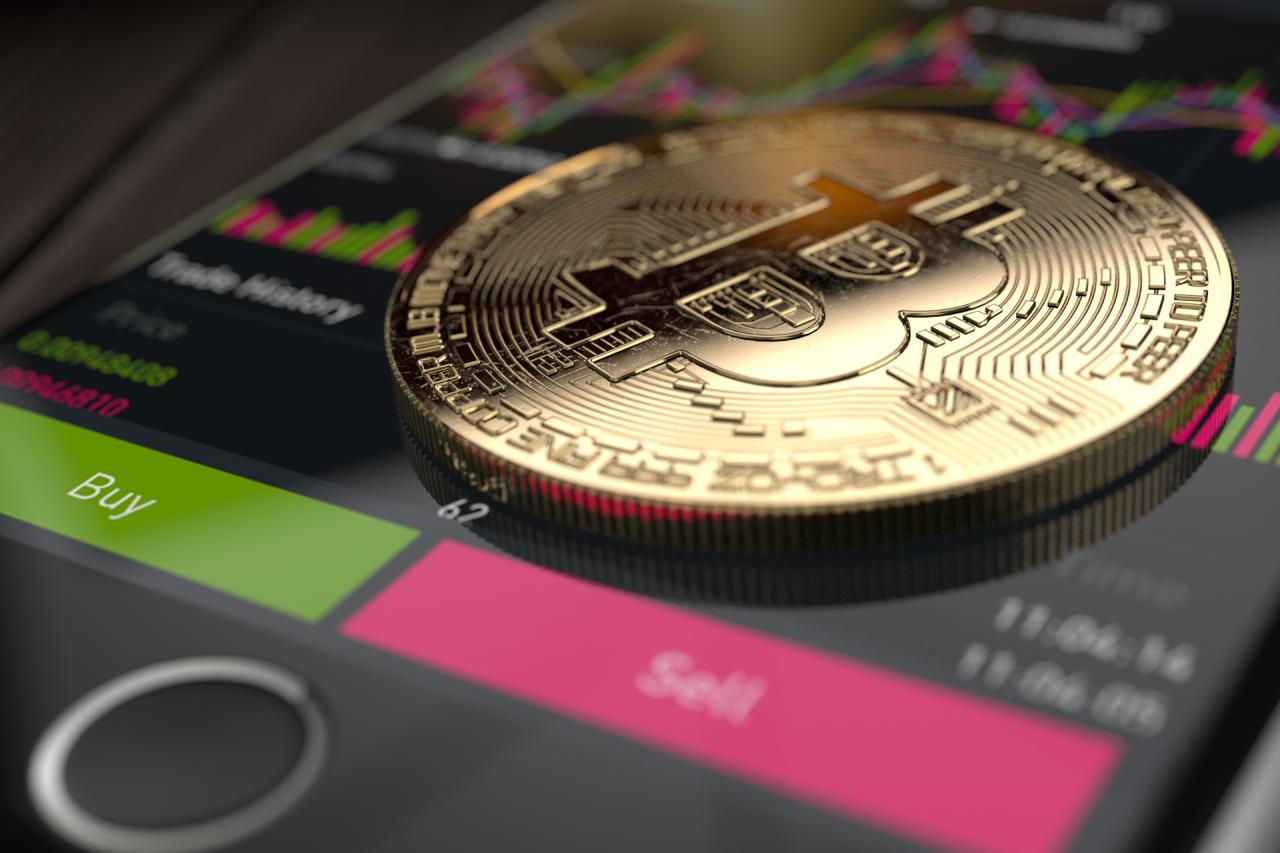
Bitcoin APKs are mobile applications that provide access to the world of Bitcoin. These apps, ranging from wallets to trading platforms, have become increasingly important for managing and interacting with Bitcoin. This guide delves into the intricacies of Bitcoin APKs, from their security considerations to practical usage.

Understanding the functionalities and potential risks associated with Bitcoin APKs is crucial for safe and effective use. This comprehensive guide will equip users with the knowledge to navigate the world of Bitcoin on their mobile devices.

Introduction to Bitcoin APK

Bitcoin APKs are mobile applications designed to interact with the Bitcoin network. They provide users with access to various Bitcoin functionalities, from sending and receiving cryptocurrencies to managing wallets and participating in trading activities. These apps are crucial for users to engage with the Bitcoin ecosystem without needing a desktop computer.These applications often simplify complex blockchain interactions, making Bitcoin transactions more accessible to a broader audience.

This ease of use is a significant factor in the widespread adoption of Bitcoin technology.

Bitcoin APK Functionalities

Bitcoin applications, or APKs, typically encompass a range of functionalities. These functionalities often include secure storage of private keys, facilitating peer-to-peer transactions, and providing access to market data for informed trading decisions. Users can send and receive Bitcoin, view transaction histories, and manage their Bitcoin holdings. Many apps integrate with other services, such as exchanges, to streamline the process of buying, selling, and trading Bitcoin.

Types of Bitcoin APKs

Several categories of Bitcoin APKs cater to diverse user needs. Wallet applications are fundamental, enabling secure storage and management of Bitcoin. Trading apps provide real-time market data, allowing users to buy and sell Bitcoin. These apps often feature charts, order books, and tools to track market trends. Some apps offer a combination of wallet and trading features, offering a comprehensive experience for users.

Other, more specialized applications may focus on specific Bitcoin services, like staking or mining pools.

Historical Context of Bitcoin APK Development

The development of Bitcoin APKs closely mirrored the growth of the Bitcoin network itself. Early applications were often rudimentary, focusing primarily on enabling basic transactions. As the Bitcoin ecosystem evolved, so did the functionality of the apps, incorporating features like advanced security protocols, real-time market data, and integration with other financial services. The rise of mobile technology significantly fueled the development of these apps, as it brought Bitcoin accessibility to a wider range of users.

This trend is ongoing, with new features and functionalities constantly emerging.

Comparison of Bitcoin Wallets

The security and features of Bitcoin wallets vary significantly. The following table provides a comparative overview of some popular wallets.

Name Features Security
Coinbase Wallet User-friendly interface, integration with Coinbase exchange, multi-currency support Strong security measures, cold storage options
Exodus Wallet Multi-currency support, offline backup capabilities, advanced security options Robust security features, hardware wallet compatibility
Blockchain.com Wallet Multi-currency support, advanced security features, intuitive design Strong security protocols, 2FA support
Trust Wallet Wide range of supported tokens, integration with decentralized exchanges, security features Secure storage of private keys, 2FA support

Note: This table provides a general overview. Specific features and security ratings can vary depending on the version and the specific implementation.

Security Considerations of Bitcoin APKs

Bitcoin applications, or APKs, present a unique set of security challenges. While the underlying Bitcoin technology is secure, the software implementation within the APK can contain vulnerabilities that malicious actors exploit. Users must be vigilant in protecting their digital assets.

Potential Security Vulnerabilities

Bitcoin APKs can harbor various vulnerabilities, impacting the security of user funds. These vulnerabilities stem from software flaws, potentially insecure coding practices, or inadequate testing procedures. Commonly, these flaws can manifest as buffer overflows, SQL injection, or cross-site scripting (XSS) weaknesses. Furthermore, poorly designed authentication mechanisms can allow unauthorized access to user accounts.

Common Security Threats

Several security threats target Bitcoin APKs. Malicious actors might develop fake applications masquerading as legitimate Bitcoin wallets. These counterfeit apps could steal user credentials or funds. Phishing attacks, social engineering tactics, and malware infections are also significant threats. Phishing attempts aim to trick users into divulging sensitive information, such as private keys.

Malware embedded within legitimate-looking APKs can compromise user devices and exfiltrate sensitive data.

Measures to Protect Against Malware and Scams

Several proactive measures can help users mitigate the risks associated with malicious Bitcoin APKs. Thorough scrutiny of the app’s source and developer reputation is crucial. Users should verify the developer’s credentials and check for any suspicious patterns in the app’s behavior or design. Scrutinizing reviews from other users is also important. Avoiding downloading APKs from untrusted sources is vital.

Utilizing trusted app stores like Google Play Store is recommended. Regular updates for installed Bitcoin apps are essential as they often patch security vulnerabilities.

Importance of Verifying App Sources and Developer Reputations

Verifying app sources and developer reputations is paramount to mitigating the risk of downloading malicious Bitcoin APKs. A thorough investigation into the developer’s background, including past projects and user feedback, is essential. Looking for inconsistencies or red flags in the app’s description or user reviews can help discern fraudulent intentions. Consulting reputable security resources and community forums for feedback on the specific app is advisable.

Security Best Practices

Practice Description Example
Verify App Source Ensure the APK originates from a trusted source. Download only from official app stores like Google Play Store.
Check Developer Reputation Research the developer’s history and reputation. Look for reviews and ratings on the app store.
Examine App Permissions Carefully review the app’s requested permissions. Do not grant unnecessary permissions like access to contacts or device location.
Analyze User Reviews Scrutinize user reviews for potential red flags or negative feedback. Pay attention to comments about the app’s stability or security concerns.
Use Strong Passwords Employ robust and unique passwords for Bitcoin wallets. Use a combination of uppercase and lowercase letters, numbers, and symbols.
Enable Two-Factor Authentication (2FA) Implement 2FA for added security layers. Use a dedicated authenticator app or SMS-based verification.
Avoid Suspicious Links Refrain from clicking on unknown or suspicious links. Be wary of emails or messages promoting Bitcoin applications.

Bitcoin APK Functionality and Usage

Bitcoin hack android app apk | Alaya

Bitcoin applications (APKs) provide a user-friendly interface for interacting with the Bitcoin network. These applications enable users to manage their Bitcoin holdings, initiate transactions, and generally engage with the cryptocurrency ecosystem. This section details the functionality and usage of Bitcoin APKS.

Available Functions in Bitcoin APKS

Bitcoin APKS offer a range of functions, empowering users to perform various tasks. These include managing wallets, sending and receiving Bitcoin, viewing transaction history, and checking Bitcoin balances. Some advanced APKS may also incorporate features like automated trading or portfolio tracking.

Sending and Receiving Bitcoins

The process of sending and receiving Bitcoins through a Bitcoin APK typically involves these steps: First, users select the recipient’s Bitcoin address. Next, they specify the amount to be sent. Subsequently, they review the transaction details and confirm the transaction. Finally, the transaction is broadcast to the Bitcoin network, and the recipient receives the Bitcoin.

Storing Bitcoins using a Bitcoin APK

Bitcoin APKS generally employ secure storage mechanisms to protect user funds. These mechanisms can include encryption and secure key management. Users must securely store their private keys, as these keys grant access to their Bitcoin holdings.

Using a Bitcoin APK for Transactions

Initiating a Bitcoin transaction within a Bitcoin APK typically requires the user to specify the recipient’s Bitcoin address, the transaction amount, and potentially additional transaction details. The APK then facilitates the process of generating a transaction, which is validated by the Bitcoin network.

Common Transaction Types

Transaction Type Description Example
Bitcoin Payment A direct transfer of Bitcoin from one user to another. Sending 0.1 BTC to a friend.
Bitcoin Exchange Trading Bitcoin for other cryptocurrencies or fiat currencies. Exchanging 1 BTC for 100 USD.
Bitcoin Donation Transferring Bitcoin to a charitable organization or individual. Donating 0.05 BTC to a disaster relief fund.
Bitcoin Withdrawal Retrieving Bitcoin from an exchange or other service to a user’s wallet. Withdrawing 0.5 BTC from a cryptocurrency exchange.

Comparison with Other Bitcoin Services

Bitcoin applications (APKs) offer a convenient way to interact with the Bitcoin network, but they aren’t the only option. Understanding the comparative advantages and disadvantages of various Bitcoin management methods is crucial for informed decision-making. This section delves into the distinctions between Bitcoin APKs and other popular services like web wallets and exchanges.

Comparison of Bitcoin Management Methods

Different approaches to managing Bitcoin offer varying levels of convenience, security, and functionality. A comprehensive comparison helps users weigh the trade-offs inherent in each method.

Aspect Bitcoin APK Web Wallet Exchange
Security Security depends on the APK’s implementation and the user’s device security practices. Vulnerabilities in the APK or compromised devices can lead to loss. Security often relies on strong passwords, two-factor authentication (2FA), and secure storage practices. Risks stem from compromised accounts or vulnerabilities in the wallet provider’s infrastructure. Security measures include strong encryption, multi-factor authentication, and cold storage for funds. Risks include hacks, security breaches, or fraudulent activities on the exchange platform.
Usability Generally user-friendly for those comfortable with mobile apps. May be less user-friendly for beginners. User-friendly interfaces are common, making them accessible to a broad range of users. Navigation and features can vary. Often require a degree of technical understanding, though interfaces are improving. Fees and trading complexities can be challenging for new users.
Accessibility Accessible on mobile devices. Requires an internet connection for functionality. Accessible through any web browser with an internet connection. Accessible through desktop or mobile apps with internet connectivity. May involve account registration and verification processes.
Features Often limited to basic transactions, sending and receiving. Some might include advanced features like QR code scanning. May include advanced features like token management, advanced transaction options, and security enhancements. Provides a platform for buying, selling, and trading Bitcoin, and other cryptocurrencies. Offers more extensive features, including margin trading, leveraged trading, and advanced order types.
Transaction Fees Transaction fees are often lower than exchanges due to direct peer-to-peer interaction, but not always. Transaction fees are usually relatively low and depend on the specific wallet. Transaction fees can vary significantly based on trading volumes, and the type of order.

Advantages and Disadvantages of Using Bitcoin APKs

Bitcoin APKs provide a specific set of advantages and disadvantages compared to other methods.

Aspect Bitcoin APK Web Wallet Exchange
Advantages Convenience, portability, and direct access to the Bitcoin network. Potentially lower transaction fees compared to exchanges. Accessibility from various devices, potentially lower transaction fees. Stronger security options for managing funds. Liquidity, wide range of trading options, and potentially higher returns. Access to multiple cryptocurrencies.
Disadvantages Potential security risks if the APK or device is compromised. Limited functionality compared to web wallets and exchanges. Reliance on the web wallet provider’s security and potential downtime of the website. May require technical knowledge for certain features. Higher transaction fees compared to direct peer-to-peer transactions. Potential for scams and market volatility. Requires a degree of understanding of the market and trading strategies.

Buy Bitcoin

Acquiring Bitcoin involves various methods, each with its own nuances regarding fees, security, and ease of use. Understanding these options is crucial for any prospective Bitcoin buyer. Different platforms cater to varying needs and preferences, making informed choices vital for a smooth transaction.Purchasing Bitcoin typically involves using a cryptocurrency exchange or brokerage platform. These platforms facilitate transactions between buyers and sellers, providing a marketplace for digital assets.

Security measures and regulatory compliance are paramount in this process, and users should prioritize platforms with robust safeguards.

Methods of Buying Bitcoin

Different methods are available for purchasing Bitcoin, each with its own characteristics. These methods encompass various payment options, impacting the overall transaction experience.

  • Credit/Debit Cards: Many exchanges accept major credit and debit cards for Bitcoin purchases. This method offers convenience for users already familiar with these payment systems. However, processing fees and potential transaction limitations should be considered.
  • Bank Transfers: Bank transfers are a common method for larger Bitcoin purchases. This method usually involves transferring funds from a bank account to the exchange’s account. The process can be slower than credit card transactions, and fees may apply. Bank transfers often require additional verification steps for security.
  • Other Cryptocurrency: Users can exchange other cryptocurrencies for Bitcoin on specialized platforms. This allows for a direct exchange, often with lower fees than traditional methods. However, market fluctuations and the volatility of the involved cryptocurrencies can impact the overall transaction value.

Platforms for Buying Bitcoin

Numerous platforms facilitate Bitcoin purchases. The selection of a platform often depends on factors like fees, security measures, and ease of use. These factors significantly impact the user experience.

  • Exchanges: Exchanges are centralized platforms that connect buyers and sellers of Bitcoin. They often provide a wide array of trading options, but security concerns and potential hacks are inherent risks. Examples include Coinbase, Binance, and Kraken.
  • Brokerages: Brokerages offer a more traditional investing approach to Bitcoin. They typically integrate Bitcoin with other investment products and services. Security and regulatory compliance are usually high priorities. Examples include Fidelity, Schwab, and TD Ameritrade.

Security and Regulatory Aspects

Security and regulatory compliance are paramount when buying Bitcoin. User vigilance and adherence to platform guidelines are crucial.

  • Security Measures: Users should scrutinize the security measures implemented by platforms. Strong passwords, two-factor authentication (2FA), and cold storage options are essential components of a secure platform. Avoid platforms with a history of security breaches.
  • Regulatory Compliance: Regulations surrounding Bitcoin vary by jurisdiction. Users should understand the legal framework governing Bitcoin transactions in their region. Complying with local regulations is crucial for avoiding legal complications.

Comparison of Buying Methods

Different methods of buying Bitcoin have varying characteristics. A comparative analysis is essential for informed decision-making.

Platform Fees Security Ease of Use
Coinbase Variable, often low High, with 2FA and strong security protocols High, user-friendly interface
Binance Variable, potentially lower for high-volume users High, with robust security measures Moderate, potentially complex for beginners
Fidelity Variable, often higher than exchanges High, with established brokerage security High, familiar interface for existing brokerage users

User Experience and Interface Design

A well-designed user interface (UI) is critical for Bitcoin application (APK) success. A seamless and intuitive experience encourages user adoption and retention. Users should feel comfortable navigating the app, performing transactions, and accessing information. Poor UI design can lead to confusion, frustration, and ultimately, abandonment of the app.Effective UI design in Bitcoin APKs goes beyond mere aesthetics.

It involves careful consideration of user needs, cognitive processes, and the inherent complexity of cryptocurrency transactions. A clear and concise presentation of information is crucial, ensuring that users can easily understand and execute tasks.

Typical Bitcoin APK Interface Analysis

Bitcoin APKs typically feature a dashboard presenting key information like wallet balances, transaction history, and current exchange rates. Navigation often involves menus or tabs for different functionalities, such as sending, receiving, and managing addresses. Security measures, such as two-factor authentication (2FA) options, are often prominently displayed. The layout and visual design elements contribute to the overall user experience.

Examples of Intuitive Bitcoin APK Interfaces

Several Bitcoin APKs employ intuitive interfaces that streamline user interactions. Some notable examples utilize a clean, modern design language, effectively communicating key information with clear visual cues. For instance, these applications might use color-coding to differentiate between different transaction types (e.g., incoming versus outgoing) or incorporate interactive charts to illustrate the historical price trends of Bitcoin. A well-organized structure of menus and sections further facilitates ease of use.

Design Elements to Improve User Experience

Several design elements can enhance the user experience within Bitcoin APKs. These include:

  • Clear Visual Hierarchy: Prioritize important information visually, such as balances or transaction amounts, to guide the user’s eye and ensure immediate comprehension.
  • Intuitive Navigation: Use consistent design patterns and clear labels for navigation elements (buttons, menus, tabs) to avoid user confusion.
  • Accessibility Features: Implement accessibility features, such as adjustable font sizes and color schemes, to cater to users with varying needs.
  • Feedback Mechanisms: Provide clear feedback to users after actions, such as transaction confirmations or error messages, to ensure transparency and understanding.

Effective feedback mechanisms are crucial for guiding users through the process and addressing potential issues. For instance, a visually prominent confirmation message after a successful transaction can reinforce user confidence. Clear error messages, presented in an easily understandable format, help users identify and resolve problems.

Importance of Clear and Concise Information Presentation

Clear and concise information presentation is essential for user understanding. Cryptocurrency terminology can be complex, so presenting technical details in an easily digestible format is vital. Use clear language and avoid jargon whenever possible. Visual aids, such as charts and graphs, can effectively communicate complex data in a user-friendly way. The design should prioritize readability and maintain a clear visual hierarchy.

UI Design Patterns for Bitcoin APKs

Pattern Description Example
Dashboard-centric The UI centers around a main dashboard displaying key information, like balance and transaction history. A prominent display of wallet balance with recent transactions highlighted.
Tab-based navigation Different functionalities are accessible through tabs (e.g., transactions, settings). Navigation between sending, receiving, and managing addresses.
Card-based layout Information is presented in cards, allowing for a visually appealing and organized structure. Transaction history displayed in separate cards with relevant details.
Modal windows Complex operations or forms are presented in a separate modal window, minimizing screen clutter. Transaction details or confirmation prompts are shown in a separate pop-up window.

Using consistent design patterns creates a familiar and predictable experience for users. This consistency enhances usability and allows users to quickly grasp the functionalities of the application.

Future Trends in Bitcoin APKs

Bitcoin application development is rapidly evolving, driven by advancements in blockchain technology and user demand. This evolution promises significant improvements in user experience, security, and functionality. The future of Bitcoin APKs hinges on how developers adapt to regulatory changes and leverage the potential of emerging technologies.Bitcoin APKs are poised for enhancements beyond current functionalities. Innovations will center on improved security protocols, streamlined user interfaces, and integration with other financial tools.

Predicting the exact features is challenging, but examining current trends offers valuable insights into probable future developments.

Potential Advancements in Bitcoin APK Technology

Bitcoin APKs are likely to incorporate more sophisticated security measures. Multi-factor authentication, biometric logins, and enhanced encryption techniques are likely to become standard features, reflecting a heightened awareness of security threats in the digital space. These enhancements will help maintain user trust and confidence in Bitcoin applications.

Emerging Features and Functionalities in Future Bitcoin APKs

The introduction of features that facilitate seamless and more intuitive user interaction is anticipated. Smart contract integration, allowing users to automate Bitcoin transactions and manage holdings more efficiently, will become a significant development. The ability to execute decentralized finance (DeFi) transactions directly within the application will also likely emerge, providing users with comprehensive financial management tools.

Influence of Blockchain Technology on Future Bitcoin APK Development

Blockchain technology will continue to underpin Bitcoin APK development. Improved scalability, faster transaction speeds, and enhanced security features stemming from advancements in blockchain protocols will directly influence the evolution of Bitcoin applications. The potential for integrating blockchain technology into other financial tools, such as stablecoins or decentralized exchanges, will likely lead to a more integrated and comprehensive Bitcoin ecosystem within the application.

Regulatory Changes and Their Impact on Bitcoin APK Evolution

Regulatory landscapes are constantly evolving, and Bitcoin APK developers must adapt. Compliance with evolving KYC (Know Your Customer) and AML (Anti-Money Laundering) regulations will become critical. This necessitates implementing features that facilitate compliant transactions and user identification. A dynamic and responsive approach to regulatory changes is essential for Bitcoin APKs to maintain viability and user trust in a changing legal environment.

Predicted Future Functionalities of Bitcoin APKs

Feature Description Estimated Timeframe
Enhanced Security Protocols Implementation of advanced security measures like multi-factor authentication and biometric logins to protect user accounts and transactions. 2024-2026
Smart Contract Integration Enabling users to automate Bitcoin transactions and manage holdings more efficiently through smart contracts within the application. 2025-2027
Decentralized Finance (DeFi) Integration Allowing users to execute DeFi transactions directly within the application, providing a comprehensive financial management experience. 2026-2028
Improved Scalability and Transaction Speeds Leveraging advancements in blockchain technology to enhance the application’s ability to handle a growing number of transactions efficiently and quickly. 2027-2029
Regulatory Compliance Features Implementing features that ensure compliance with KYC and AML regulations, facilitating compliant transactions and user identification. 2024-2026

Wrap-Up

In conclusion, Bitcoin APKs offer a convenient and accessible way to interact with Bitcoin. However, understanding security best practices and comparing different services is vital for a positive user experience. This guide has provided a solid foundation for understanding Bitcoin APKs, empowering users to make informed decisions about their Bitcoin management.

Key Questions Answered

What are the common security threats associated with Bitcoin APKs?

Common threats include malware disguised as legitimate apps, phishing attempts, and scams. Always verify app sources and developer reputations before downloading.

How do I send and receive Bitcoins using a Bitcoin APK?

The process typically involves adding the recipient’s address, specifying the amount, and confirming the transaction within the app. Ensure the address is correct to avoid errors.

What are the key differences between Bitcoin APKs and web wallets?

Bitcoin APKs offer mobile convenience, while web wallets provide a desktop experience. Accessibility and usability vary depending on user preference.

What are some reliable platforms for buying Bitcoin?

Reputable exchanges and brokerages are often the best choices for buying Bitcoin. Consider factors like fees, security measures, and ease of use.