April 18, 2026

branding

branding iron marquez texas sets the stage for this enthralling narrative, offering readers a glimpse into a story that is rich in detail with originality from the outset.

Branding irons have played a pivotal role across various industries, serving as a means of identity and ownership, especially in livestock and artisan crafts. In Marquez, Texas, the historical and cultural significance of these tools shines, revealing a vibrant connection between local traditions and modern craftsmanship.

Understanding Branding Irons

Branding irons are tools used to create a permanent mark on various materials, primarily used in industries such as livestock farming, artisan crafts, and manufacturing. Their primary purpose is to identify ownership, enhance branding efforts, and provide a unique touch to products. This traditional tool has evolved over time, retaining its significance while adapting to modern needs.Historically, branding irons were essential in agriculture, particularly for livestock.

Farmers would brand their cattle to signify ownership and prevent theft. Over the years, this practice expanded beyond livestock to include artisan crafts, where makers would brand their creations to establish authenticity and quality. The use of branding irons has become a symbol of craftsmanship and pride in various industries.

Types of Branding Irons

Understanding the different types of branding irons available can help users choose the right one for their specific needs. Branding irons vary in design, materials, and functionality. Here are the main types commonly found in the market:

  • Electric Branding Irons: These branding irons heat up electronically, allowing for precise and consistent branding. They are ideal for high-volume production and provide quicker results without the need for an external heat source.
  • Manual Branding Irons: Traditionally used and powered by a heat source like an open flame, these are often made from metals such as steel or brass. They require skilled handling to ensure proper branding.
  • Custom Branding Irons: These can be made to specific designs and specifications, allowing businesses or artisans to create unique marks that reflect their brand identity.
  • Cold Branding Irons: This type uses extreme cold to create a mark, particularly useful in livestock branding to avoid burning. It freezes the skin, resulting in a scar that lasts.

The choice of branding iron greatly influences the branding process and results. Each type has its advantages, making it essential for users to consider their specific requirements before making a purchase.

“Branding is not just a mark; it’s an identity that tells your story.”

The Marquez, Texas Connection

Marquez, Texas, a small yet historically rich community, has played a significant role in the cultural practices surrounding branding. Known for its deep-rooted traditions and connection to the cattle industry, Marquez embodies the spirit of Texas heritage through its branding practices. The town’s history reflects a blend of agricultural significance and artisanal craftsmanship that continues to influence local businesses today.The history of Marquez ties closely to the cattle ranching boom that swept through Texas in the late 19th century.

As ranchers sought to identify their livestock, branding became an essential practice for ownership recognition and cattle management. This cultural significance is evident in Marquez’s landscape, where local artisans and businesses uphold the tradition of branding irons, creating personalized and unique marks for their clients.

Local Artisans and Businesses Utilizing Branding Irons

Several local businesses in Marquez exemplify the artistry involved in creating branding irons. These artisans not only contribute to the local economy but also preserve a vital aspect of Texan culture. The following highlights some key players in this niche:

  • Marquez Branding Co.
    -A family-owned business specializing in custom branding irons, Marquez Branding Co. offers a variety of designs to cater to ranchers and artisans alike. Their commitment to quality ensures each iron is made to last, reflecting the pride of local craftsmanship.
  • Rustic Tools Workshop
    -This artisan shop creates handmade tools for branding and other agricultural needs. Their products emphasize functionality and durability, making them popular among local ranchers who value tradition and craftsmanship.
  • Heritage Leatherworks
    -Known for high-quality leather goods, this business integrates branding into its products. Customers can request custom branding on leather items, making each piece unique while celebrating the branding tradition.

In addition to local businesses, Marquez hosts events that celebrate its branding heritage. The annual Marquez Cattlemen’s Gathering is a notable occasion where ranchers come together to showcase their livestock and share best branding practices. Attendees enjoy educational workshops on branding techniques, ensuring the continuation of this tradition for generations to come.During the Cattlemen’s Gathering, participants often engage in demonstrations that highlight the art of branding.

Crowds gather to witness the process, which involves heating the iron and applying it to the animal’s hide, leaving a permanent mark that signifies ownership. This event not only showcases the practical elements of branding but also fosters a sense of community, where generations of ranchers share stories and experiences, reinforcing the cultural importance of branding in Marquez, Texas.

“Branding is not just a mark; it’s a testament to our heritage and a symbol of pride within our community.”

Manufacturing Process of Branding Irons

The manufacturing process of branding irons is a fascinating blend of artistry and technology. Understanding the materials and steps involved can provide valuable insight into how these tools are created, ensuring that they meet the needs of users in various industries, from cattle ranching to artisanal crafts.The materials typically used in making branding irons are essential for ensuring both durability and effectiveness.

Commonly, branding irons are crafted from materials such as high-quality steel or brass. Steel is preferred for its strength and ability to withstand high temperatures, while brass is often chosen for its corrosion resistance and aesthetic appeal. The choice of material directly affects the longevity of the branding iron and the quality of the branding it produces.

Materials Used in Branding Irons

The selection of materials plays a crucial role in the performance and durability of branding irons. The following materials are typically utilized:

  • Steel: Known for its robustness, steel branding irons can endure high temperatures without deforming. They are favored for outdoor and heavy-duty applications.
  • Brass: This material is resistant to rust and corrosion, making it suitable for use in humid or wet environments. Additionally, brass branding irons often boast a more polished finish.
  • Aluminum: Lightweight and resistant to corrosion, aluminum is sometimes used for less demanding branding applications, particularly in smaller or decorative brands.
  • Wooden Handles: While not part of the iron itself, wooden handles are often added for comfort and grip, allowing for better control while branding.

Creating a custom branding iron involves a detailed step-by-step process that combines craftsmanship with technical precision. Initially, the design is conceptualized, often through sketches or computer-generated images. Once the design is finalized, the following steps are typically executed:

1. Design Creation

The branding design is created using software or hand-drawn sketches. This stage is crucial as it sets the tone for the final product.

2. Material Selection and Preparation

Based on the design requirements, the appropriate metal is selected and cut to size.

3. Molding or Machining

Depending on the complexity of the design, the branding head may be created using casting techniques or machined from solid metal.

4. Finishing Touches

The branding head is polished and treated to ensure a smooth surface, which helps in producing clear brands. Any additional features, like a wooden handle, are attached at this stage.

5. Heat Treatment

The branding iron undergoes heat treatment to enhance its durability and heat resistance, ensuring it can withstand repeated use.

Quality Control Measures

Ensuring quality in the production of branding irons is vital for their effectiveness and longevity. Manufacturers implement several quality control measures throughout the manufacturing process to maintain high standards. These measures include:

  • Material Inspection: Before production begins, all materials are inspected for defects or inconsistencies to prevent issues in the final product.
  • Dimensional Accuracy Checks: Regular measurements are taken during various stages of production to ensure that the branding iron meets the specified dimensions and design requirements.
  • Heat Resistance Testing: Samples are subjected to heat tests to ensure they can withstand the necessary temperatures without degradation.
  • Final Product Assessment: Each branding iron undergoes a final visual and functional assessment, checking for any flaws and ensuring that it meets design specifications.

The blend of high-quality materials and rigorous quality control measures ensures that each branding iron produced is reliable, durable, and effective for its intended use.

Techniques for Using Branding Irons

Using branding irons effectively requires a blend of technique, safety, and maintenance. Proper handling techniques not only ensure that the branding is clear and precise but also help avoid potential hazards associated with high-temperature equipment. Mastering these skills is essential for both amateur and professional users.When using branding irons, it’s important to follow a systematic approach to ensure consistent results.

The primary technique involves heating the branding iron to the appropriate temperature, usually between 650°F and 1000°F, depending on the material being branded. Once heated, the iron should be applied firmly and evenly to the surface for a predetermined duration, allowing the heat to transfer effectively. Following the branding, it’s essential to lift the iron straight off to avoid smudging the design.

Safety Precautions When Using Branding Irons

Understanding safety measures is crucial for anyone using branding irons. These tools can cause serious burns and injuries if not handled correctly. Here are essential safety precautions:

  • Always wear heat-resistant gloves to protect your hands during handling.
  • Ensure that the workspace is well-ventilated to avoid inhaling any fumes.
  • Keep a fire extinguisher nearby, as branding irons can ignite flammable materials.
  • Use proper tools like tongs to handle the hot branding iron, minimizing direct contact.
  • Never leave a heated branding iron unattended to prevent accidental burns or fires.

It’s vital to familiarize yourself with the branding iron’s operating instructions and the specific safety guidelines for the type of material you are working with.

Maintaining and Caring for Branding Irons

Proper maintenance ensures the longevity of branding irons and the quality of the brands they produce. Regular care prevents rust and other forms of damage, which can affect performance. Here are best practices for maintaining branding irons:

  • After use, clean the branding iron with a soft cloth to remove any residue or debris.
  • Store branding irons in a dry place to prevent rusting. Consider applying a light oil to the metal surface to create a protective barrier.
  • Inspect the branding iron regularly for any signs of wear or damage, and replace it if necessary.
  • Heat the branding iron slowly to avoid warping and ensure even heating.
  • Keep the branding area free from dust and moisture to prolong its lifespan.

Following these maintenance tips will not only enhance the performance of the branding iron but also ensure safety during its use.

Investing time in proper techniques, safety practices, and maintenance will result in high-quality branding that stands the test of time.

The Impact of Branding in Business

Branding is more than just a logo or a catchy tagline; it represents the essence of a business, shaping its identity and influencing customer perceptions. Branding irons serve as a creative avenue for businesses to enhance their visibility and foster lasting relationships with their customers. By incorporating branding irons into their marketing strategy, businesses not only create a distinct identity but also build customer loyalty that translates into sustained growth.The use of branding irons can significantly enhance a business’s identity by providing a physical representation of their brand.

When customers see a logo or symbol consistently applied through branding irons, it reinforces brand recognition and creates an emotional connection. This connection is pivotal for customer loyalty, as it fosters trust and authenticity.

Role of Branding in Establishing a Unique Selling Proposition

A unique selling proposition (USP) differentiates a business from its competitors, and branding plays a crucial role in establishing this distinction. Branding irons can contribute to a firm’s USP by offering a tangible way to showcase what makes a brand unique. This can be achieved through the consistent application of logos, slogans, or other brand elements on products or promotional materials.Businesses that effectively utilize branding irons often experience a rise in customer loyalty and recognition.

For instance, a local butcher shop in Marquez, Texas, uses a custom branding iron to stamp its meats with a distinctive logo. This not only enhances the visual appeal of their products but also reinforces their commitment to quality and craftsmanship.

Case Studies of Successful Implementation of Branding Irons

Several businesses have successfully integrated branding irons into their marketing strategies, creating a lasting impact on their brand identity.

  • Local Craft Breweries: Many craft breweries use branding irons to mark their barrels and bottles, creating a unique presentation that aligns with their artisanal approach. This strategy not only makes the products memorable but also enhances their storytelling aspect, as customers are drawn to the craftsmanship involved.
  • Artisan Food Producers: Small-scale food producers often utilize branding irons on packaging or labels that convey their brand ethos. For instance, a small bakery might use a branding iron to imprint their logo on homemade bread, which adds a personal touch and elevates the perceived quality of the product.
  • Custom Furniture Makers: Furniture craftsmen utilize branding irons to engrave their logo directly onto wood pieces, ensuring that every item tells a unique story. This method not only reinforces brand identity but also creates a sense of exclusivity, as each piece is uniquely marked.

The strategic use of branding irons not only differentiates businesses but also fosters an emotional connection with customers. Through tangible branding, businesses can effectively communicate their values and build a loyal customer base.

Customization Trends in Branding Irons

In recent years, the demand for customized branding irons has surged, driven by a growing desire for personalized products among consumers and businesses alike. As branding evolves, the trends surrounding branding iron designs and personalization options are becoming increasingly sophisticated, reflecting individual tastes and unique brand identities. This evolution is not only about aesthetics but also about functionality, where the technology behind branding irons plays a significant role in shaping these trends.The impact of technology on branding iron customization is profound.

Modern advancements allow for intricate designs, precise engravings, and varied shapes that were previously unattainable. Laser engraving technology, for instance, has revolutionized the way branding irons can be personalized, enabling users to add detailed logos, names, and even intricate artwork to their branding tools. This level of customization caters to a broad spectrum of clients, from small artisan businesses to large corporations seeking to maintain a consistent brand image across their products.

Current Trends in Branding Iron Designs

The trends in branding iron designs reflect a shift toward greater personalization and creativity. Here are some notable developments:

1. Unique Shapes and Sizes

Beyond the traditional rectangle, brands are exploring various shapes that can complement their products, such as custom dies in the forms of animals, objects, or logos. This allows businesses to create a more memorable impression.

2. Mixed Materials

The incorporation of materials such as wood, metal, and even glass into branding irons has become popular. This variety can enhance both the aesthetic appeal and functionality of the branding tool.

3. Eco-friendly Options

With increasing awareness surrounding sustainability, there’s a notable trend towards environmentally friendly branding irons. These products are often made from recycled materials or use sustainable manufacturing processes.

4. Multi-functional Tools

Some brands are developing branding irons that serve multiple purposes, such as those that can also be used for embossing or as heating tools for other crafts.

5. Personalization at Scale

Businesses are now able to offer personalized branding solutions in larger quantities, thanks to advanced techniques like digital printing and automated engraving systems. This allows for both custom branding on individual products and bulk orders that maintain a personal touch.

“The future of branding irons is not just about marking a product; it’s about creating a connection between the brand and its customers through unique personalization.”

Creative Uses of Branding Irons

Branding irons are often associated with specific industries, but their versatility extends far beyond traditional applications. Here are some creative uses that showcase their potential:

Culinary Branding

Chefs and food artisans are employing branding irons to imprint their logos onto baked goods, cheeses, and even chocolates, creating a distinctive touch that enhances the dining experience.

Craftsmanship and Art

Artists and craftsmen utilize branding irons to add personalization to handcrafted items, such as furniture and leather goods, providing a signature that adds value and authenticity to their work.

Event Personalization

Branding irons are being used at weddings and special events to personalize items like napkins, coasters, and even gifts for guests, making the occasion memorable.

Promotional Products

Businesses are leveraging branding irons to create promotional items that stand out, such as branded merchandise that can be stamped on bags, clothing, or promotional packaging.

Custom Gift Items

Personalized branding irons themselves are becoming popular gifts, especially for those who enjoy DIY projects or have a penchant for crafts, allowing recipients to leave their mark on their creations.Through these innovative applications, branding irons continue to evolve, reinforcing their relevance in modern branding strategies and allowing businesses to engage with their audiences in unique and impactful ways.

Future of Branding Irons in Marquez, Texas

The future of branding irons in Marquez, Texas, looks promising as both local artisans and businesses seek to enhance their branding practices. With a rich history of craftsmanship and a growing appreciation for personalized branding, the community is positioned to embrace new opportunities in this niche market. As awareness of branding tools increases, the demand for high-quality, customized branding irons is expected to rise, paving the way for innovative practices and community support.

The evolution of branding practices, especially in localized markets such as Marquez, suggests a variety of growth opportunities for branding businesses. As consumers increasingly value authenticity and uniqueness, the artisanal approach to branding is becoming more appealing. This shift not only highlights the importance of branding in establishing a business’s identity but also underscores the need for skilled artisans who can provide bespoke branding solutions.

Growth Opportunities for Branding Businesses

Marquez has the potential to cultivate a thriving community of branding artisans. As local businesses recognize the significance of branding, they will likely seek out high-quality branding solutions. Key areas for growth include:

  • Increased Demand for Custom Branding: Local businesses are beginning to understand the value of unique branding, leading to a surge in requests for custom branding irons that reflect their identity.
  • Expansion into Online Markets: With the rise of e-commerce, branding artisans can reach broader audiences by offering their products online, creating a new revenue stream.
  • Collaborations with Local Artisans: Partnerships between branding iron makers and local craftsmen can lead to innovative products that combine different skills and traditions.
  • Workshops and Classes: Providing educational opportunities for aspiring branding artisans can help to build community and foster new talent in the industry.

Predictions for Branding Practices in the Next Decade

As the market continues to evolve, several trends are anticipated to shape the future of branding practices in Marquez. As businesses increasingly prioritize brand identity, the following predictions highlight the direction of the industry:

  • Integration of Technology: The use of advanced technologies such as laser engraving and digital design tools will enhance the precision and creativity of branding irons.
  • Sustainability Focus: There will be a growing demand for eco-friendly branding solutions, encouraging artisans to use sustainable materials and practices.
  • Personalization and Customization: As consumers seek more personalized products, the trend towards fully customizable branding irons will accelerate.
  • Community-Centric Branding: Businesses will increasingly focus on local heritage and culture in their branding, creating a stronger connection with the community.

Community Support and Resources for Branding Artisans

The community in Marquez has a supportive infrastructure that can aid branding artisans in their ventures. Several resources are available to foster this growth:

  • Local Business Associations: These groups offer networking opportunities, business advice, and workshops to help artisans develop their skills and enhance their business acumen.
  • Grants and Funding Opportunities: Various local initiatives may provide grants or funding for artisans looking to develop their branding businesses.
  • Mentorship Programs: Experienced artisans can guide newcomers through mentorship programs, sharing insights and best practices in the branding industry.
  • Community Events: Participating in local fairs and markets allows branding artisans to showcase their work, connect with potential customers, and collaborate with other local businesses.

Outcome Summary
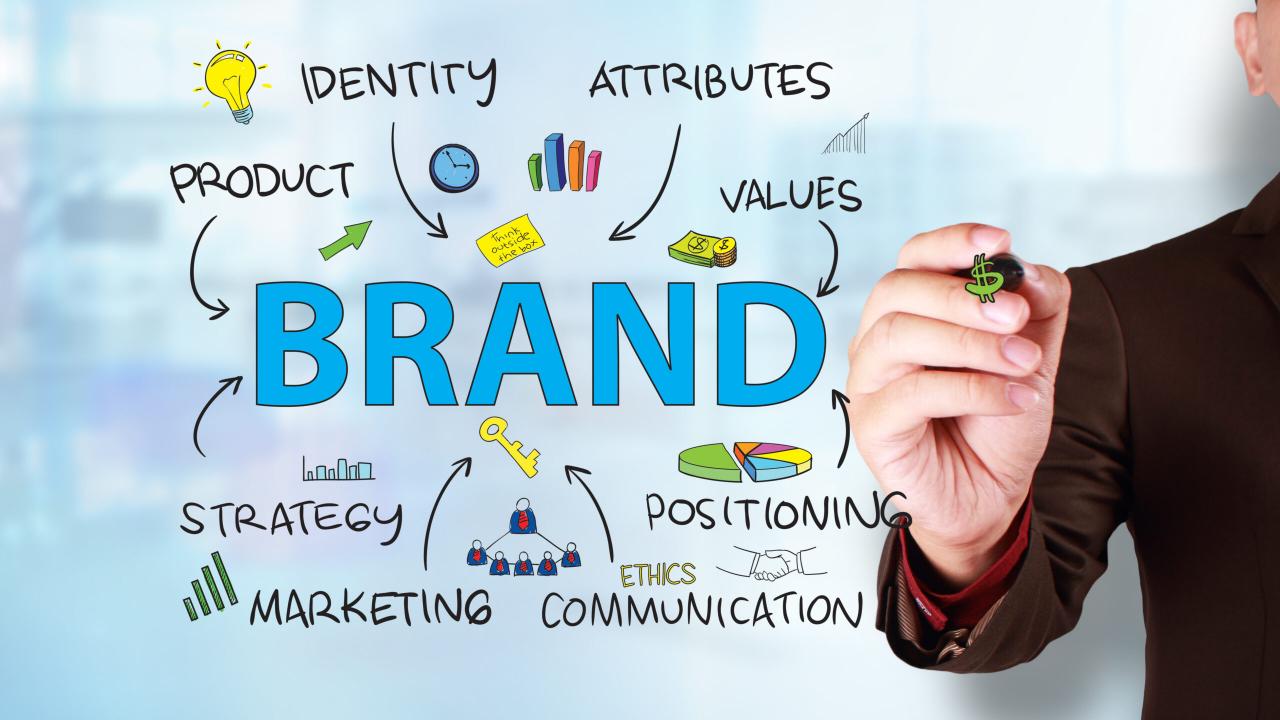
9 Top Brand Positioning Facts and Tips - Your Brand is more than a logo

In summary, the journey through branding iron practices in Marquez, Texas, showcases the blend of tradition and innovation. As businesses and artisans continue to embrace these tools, the future of branding in this region promises to be as dynamic and rich as its history.

FAQ Insights

What materials are typically used for branding irons?

Common materials include steel, iron, and copper, chosen for their durability and heat retention.

Can branding irons be customized?

Yes, branding irons can be customized with different designs, logos, and initials to suit individual needs.

Are there safety precautions for using branding irons?

Absolutely, it is important to wear heat-resistant gloves and eye protection, and to work in a well-ventilated space.

How do branding irons affect customer loyalty?

Branding irons help create a distinct identity, making products more recognizable and fostering customer loyalty.

What are some unique uses for branding irons beyond livestock?

They can be used for creating custom woodwork, leather goods, and even unique art pieces.

Branding iron images are not just mere symbols; they represent a rich tapestry of history, culture, and marketing prowess. These images, crafted from branding irons, have left a lasting imprint across various industries, showcasing their significance in establishing brand identity and recognition. As we dive deeper into the world of branding iron images, we’ll explore their fascinating history, the various types used, and the artistry behind creating visually appealing designs.

From the evolution of branding techniques to the contemporary trends that shape today’s marketing strategies, branding iron images serve as a powerful tool for communication and expression. This exploration will reveal how these images contribute to a brand’s essence while also highlighting their cultural significance around the globe.

Branding Iron Overview

Branding irons have played a significant role throughout history, serving as both a mark of ownership and a tool for identification across various industries. Their unique designs and applications have evolved, reflecting the changing needs of society and commerce.Historically, branding irons date back to ancient civilizations where they were primarily used to mark livestock. This practice ensured that animals could be identified and claimed by their owners, which was essential for agricultural societies.

Over time, the use of branding irons expanded into different fields, such as the production of goods, crafts, and even the culinary arts. Today, branding irons are utilized in diverse industries, showcasing their versatility and enduring significance.

Types of Branding Irons

Branding irons can be categorized into various types based on their design and intended use. Understanding these categories helps appreciate their application across different industries.

  • Hot Branding Irons: These are traditionally used in livestock marking, where the end of the iron is heated and then pressed onto the animal’s skin, leaving a permanent mark.
  • Cold Branding Irons: This method involves using very cold temperatures to create a branding effect, often causing less damage to the animal’s skin, making it a preferred choice in some farming practices.
  • Electric Branding Irons: These modern tools use electricity to heat the branding surface. They offer more control and quicker heating, making them suitable for various applications, including leather and wood.
  • Custom Branding Irons: Businesses often create unique designs tailored to their branding needs. These can range from logos and monograms to intricate artwork, used extensively in promotional products and artisan crafts.

Branding Iron Images and Their Uses

Branding iron images refer to the visual representation or impression left by a branding iron when it is pressed onto a surface. These images serve as a symbol of authenticity and ownership, often enhancing the aesthetic appeal of products.Branding iron images find many applications across industries, including:

  • Craftsmanship: Artisans use branding iron images to mark their handmade goods, such as leather bags, furniture, and metalwork, providing a signature touch that signifies quality and originality.
  • Food Industry: Restaurants and food producers often use branding irons to imprint their logos onto meat, buns, or other food items, making their offerings visually distinctive and memorable.
  • Promotional Items: Companies utilize branding iron images on promotional materials to create unique items that reinforce brand identity, like coasters, keychains, and custom packaging.
  • Historical Preservation: In some cases, branding iron images are used in restoration projects to maintain the authenticity of historical artifacts, preserving the craftsmanship of earlier eras.

“Branding irons not only mark ownership but also elevate the essence of craftsmanship and branding in various industries.”

Visual Aesthetics of Branding Iron Images

Branding iron images are not just tools for marking; they embody a visual identity that speaks volumes about a brand’s character and values. The appeal of these images lies in their ability to create an immediate connection with the audience, often evoking emotions and sparking interest. The interplay of color, design, and symbolism in branding iron imagery plays a crucial role in establishing a brand’s presence and memorability.The visual aesthetics of branding iron images are influenced by various elements that can enhance their appeal and effectiveness in communicating a brand’s message.

These elements include simplicity, contrast, and unique design. A well-crafted branding iron image can convey a powerful message at a glance, often utilizing minimalistic design principles to maintain clarity and avoid clutter. The choice of colors can also significantly impact the perception of the brand, with certain hues evoking specific emotions and associations.

Color Schemes in Branding Iron Designs

Color schemes are integral to the visual appeal of branding iron designs, as they not only attract attention but also reinforce brand identity. The colors chosen for a branding iron image can evoke different feelings and associations, which can enhance the overall effectiveness of the branding.The following are common color schemes utilized in branding iron designs:

  • Monochromatic Schemes: Utilizing different shades of a single color can create a cohesive look that is both elegant and impactful. This approach often works well for brands that want to convey sophistication and simplicity.
  • Complementary Colors: Colors opposite each other on the color wheel can create vibrant contrasts that grab attention. This scheme is effective in making elements stand out, ensuring the branding iron image is memorable.
  • Analogous Colors: Using colors that are next to each other on the color wheel can establish harmony in the image. This approach is often used in naturalistic branding, evoking feelings of calm and stability.
  • Earth Tones: Colors inspired by nature, such as browns, greens, and muted oranges, can create a rustic and organic feel. This is particularly popular among brands that focus on sustainability and natural products.

Successful branding iron images often combine these color schemes with relevant imagery and typography to create a striking visual identity. For example, brands like

  • L.L. Bean* utilize earthy tones in their branding iron images to reflect their outdoor heritage, while
  • Nike* employs bold, contrasting colors to convey energy and dynamism. Additionally, brands such as
  • Harley-Davidson* use a mix of black and orange, which not only stands out but also evokes a sense of adventure and freedom.

Effective branding iron images utilize color strategically to evoke emotions and convey brand values.

Techniques for Creating Branding Iron Images

Creating a branding iron image involves a blend of creativity and technical skill. A well-designed branding iron can effectively symbolize a brand’s identity and values, making it a crucial aspect of branding strategy. This section Artikels the process, step-by-step techniques, and the tools and materials used in the craft of branding iron images.

Designing a Branding Iron Image

The design phase is pivotal in producing a branding iron image that resonates with the brand’s essence. Initial concepts are often sketched out to visualize the final output. The design must balance clarity, simplicity, and visual impact. Key considerations include the brand’s logo, text, symbols, and overall aesthetic.Follow these steps for effective design:

  1. Research & Inspiration: Gather ideas from existing branding iron styles, logos, and symbols that align with the brand’s identity.
  2. Sketch Concepts: Draw multiple rough sketches to explore various design directions and perspectives.
  3. Digital Rendering: Use graphic design software such as Adobe Illustrator to create a digital version of the selected sketch, ensuring precision and scalability.
  4. Feedback & Revision: Share the design with stakeholders for feedback and make necessary adjustments to enhance the overall impact.
  5. Final Approval: Obtain final confirmation on the design, ensuring all elements align with brand guidelines.

Production Materials and Tools

The production of branding iron images requires specific materials and tools to create a durable and effective product. The choice of material can affect the design’s intricacy and the branding iron’s longevity.Important materials include:

  • Metal: Popular choices include brass, stainless steel, and iron, known for their durability and heat retention properties.
  • Wood or Plastic Handles: These materials provide insulation and comfort during use, ensuring easy handling of hot branding irons.
  • Thermal Transfer Paper: Used for transferring designs onto the metal surface before the final engraving process.

Essential tools are:

  • Engraving Tools: Tools such as CNC machines or laser engravers are used to carve the design into the metal.
  • Heat Sources: Propane torches or electric branding units are commonly used to heat the branding iron before application.
  • Measuring Instruments: Calipers and rulers ensure precise dimensions and alignment during the manufacturing process.

“The quality of your branding iron will directly influence the impression your brand leaves.”

Importance of Branding Iron Images in Marketing

Branding iron images play a significant role in shaping a brand’s identity and elevating its presence in a competitive marketplace. By providing a visual representation of a brand, these images help communicate core values, establish recognition, and foster an emotional connection with consumers. The impact of branding iron images extends beyond mere aesthetics; they are strategic tools that can enhance customer loyalty and drive sales.Branding iron images contribute to a brand’s identity by creating a consistent visual language that resonates with target audiences.

This visual consistency not only reinforces brand recognition but also differentiates a brand from its competitors. When consumers encounter familiar branding iron images, it instills a sense of trust and familiarity. The use of these images effectively conveys a brand’s message and values, ensuring they remain top-of-mind during purchasing decisions.

Comparison of Branding Iron Images to Other Branding Methods

To appreciate the effectiveness of branding iron images, it’s essential to contrast them with other branding techniques such as logos, color schemes, and typography. While logos are a crucial element of brand identity, branding iron images offer a more tangible and emotional representation, often associated with craftsmanship and quality.Branding iron images often evoke a sense of authenticity and heritage, which can be more impactful than traditional branding methods.

For instance, a handcrafted product with a branding iron image suggests a story behind its creation, appealing to consumers’ desire for unique and meaningful purchases. In contrast, generic logos may fail to convey the same depth of connection.The following points illustrate why branding iron images can be more effective in certain contexts:

  • They create a stronger emotional connection with consumers by emphasizing craftsmanship.
  • These images can represent a brand’s heritage and values, fostering loyalty.
  • They provide a unique aesthetic that stands out in a crowded market.
  • Branding iron images can enhance product presentation, making items feel more premium.

Case Studies of Brands Utilizing Branding Iron Images

Many brands have successfully leveraged branding iron images in their marketing strategies to strengthen their identity and connect with consumers. One notable example is the craft beer industry, where many breweries use branding iron images on their bottles and merchandise. The branding iron not only signifies the origin of the product but also highlights the artisan nature of the brewing process.Another example is the outdoor apparel brand, Patagonia, which employs branding iron images on its products to echo themes of sustainability and craftsmanship.

The visual representation through branding iron images reinforces their commitment to responsible manufacturing practices and attracts environmentally conscious consumers.In the artisanal food sector, brands like Ben & Jerry’s have utilized branding iron images to signify the homemade quality of their ice cream. This visual cue communicates authenticity and reliability, appealing to consumers seeking genuine, high-quality products.Overall, branding iron images serve as powerful instruments in marketing, creating distinctive identities that resonate deeply with audiences and promote brand loyalty in a visually driven marketplace.

Current Trends in Branding Iron Images

In the ever-evolving landscape of marketing, branding iron images have adapted to reflect contemporary aesthetics and technological advancements. These images serve not just as logos or identifiers but as integral components of a brand’s narrative. Today, they embody a mixture of tradition and modernity, resonating with audiences on deeper emotional levels. Technology has significantly impacted the design and production of branding iron images, leading to innovative concepts that often transcend conventional boundaries.

With the rise of digital tools, brands are creating more intricate and visually stunning images than ever before. This shift not only enhances creativity but also allows for greater customization and flexibility in branding strategies.

Emerging Trends in Branding Iron Images

Several noteworthy trends are emerging in the landscape of branding iron images, reflecting both consumer preferences and technological advancements. These trends illustrate how brands are evolving to remain relevant and impactful.

  • Minimalism: Many brands are gravitating towards simplified designs that emphasize clarity and efficiency. This trend focuses on clean lines, ample white space, and bold typography that convey messages directly without unnecessary embellishments. A prime example is the rebranding of tech companies, which often feature sleek and straightforward branding iron images that are instantly recognizable.
  • Dynamic Branding: With the advent of digital media, branding iron images are no longer static. Brands are now utilizing dynamic visuals that can change based on audience interactions or contexts. This trend allows for a more engaging user experience. For instance, certain food brands now feature branding iron images that adapt in color and shape when viewed on mobile devices, enhancing consumer engagement.

  • Authenticity and Craftsmanship: There’s a growing demand for branding iron images that reflect genuine craftsmanship and authenticity. Consumers are drawn to brands that convey a story of tradition and quality. Artisan brands, in particular, are adopting vintage-inspired designs that evoke a sense of nostalgia while being modernized for contemporary appeal.
  • Interactive Elements: Advances in technology have paved the way for interactive branding iron images. Brands now incorporate augmented reality (AR) elements that allow customers to engage with their logos and branding in innovative ways. For example, some beverage brands have implemented AR features where customers can scan the branding iron images with their smartphones to unlock promotional content or interactive experiences.

Technological Influences on Branding Iron Images

Technology is a driving force behind the transformation of branding iron images, impacting both creation and presentation. The integration of design software and digital tools has revolutionized how branding images are conceptualized and produced.

  • Vector Graphics Software: Tools like Adobe Illustrator enable designers to create versatile and scalable branding images. These images maintain quality across various platforms and sizes, ensuring consistency in branding.
  • 3D Design and Animation: Brands are increasingly incorporating 3D elements into their branding iron images. This trend enhances visual appeal and allows for more imaginative and immersive representations. For instance, tech companies showcase their logos in 3D formats during promotional videos, adding depth and engagement.
  • Artificial Intelligence: AI-driven design tools are transforming how branding images are created. These tools analyze consumer preferences and trends, offering designers insights that shape branding strategies. For example, AI can suggest color palettes or design variations that resonate with target demographics, streamlining the creative process.

Innovative Branding Iron Image Concepts

Contemporary brands are pushing the boundaries with innovative branding iron image concepts that capture attention and foster brand loyalty. These concepts often blend creativity with functionality, creating memorable visual identities.

  • Geometric Patterns: Brands are adopting geometric shapes and patterns in their branding iron images to create a modern and striking aesthetic. This approach not only appeals to minimalist tastes but also adds a layer of sophistication. Fashion labels often use geometric patterns in their logos to evoke a sense of contemporary style.
  • Nature-Inspired Designs: Many brands are embracing eco-consciousness through branding iron images that reflect natural elements. This can include earthy colors, organic shapes, and motifs that evoke a connection to the environment. Outdoor brands frequently adopt this approach, using imagery that resonates with their adventurous ethos.
  • Typography as Art: Typography has become a central element in branding iron images, with brands using unique typefaces as the focal point of their visual identity. Custom fonts that convey personality and brand values are gaining popularity, particularly among startups and creative enterprises.
  • Bold Colors: Vibrant color palettes are making a comeback in branding iron images, allowing brands to stand out in a crowded marketplace. Companies are experimenting with bold combinations that evoke emotion and grab attention, particularly in the food and beverage industry where visual appeal is essential.

Cultural Representation in Branding Iron Images

Branding iron images serve as a powerful means of cultural expression, reflecting the values, traditions, and identities of diverse communities around the globe. These images are not merely aesthetic; they encapsulate stories and serve as a source of pride for many cultures, showcasing a rich tapestry of history and symbolism.Different cultures utilize branding irons in unique ways, often reflecting their heritage, societal structures, and even economic practices.

For instance, in many Indigenous communities, branding irons are used to signify ownership and identity among livestock, demonstrating both agricultural practices and cultural significance. The symbols etched into these irons often carry deep meanings, representing clan affiliations, tribal history, or ancestral connections.

Symbolism Associated with Branding Iron Images

Branding iron images often embody specific symbols that resonate deeply within various cultures. Understanding these symbols provides insight into the beliefs and traditions of the people who use them. The following points encapsulate the importance and meanings of these images across different societies:

  • Identity and Ownership: In ranching cultures, brands signify ownership of cattle, which is crucial for trade and livelihood. Each brand is unique, ensuring that animals can be identified easily.
  • Spiritual Significance: Certain symbols used in branding, such as totemic designs, represent spiritual beliefs or ancestral lineages, illustrating the deep connection between the people and their heritage.
  • Cultural Pride: Brands often celebrate cultural identities, allowing communities to express pride in their histories and traditions through unique symbols that reflect their values.
  • Social Hierarchy: In some societies, specific branding symbols are reserved for certain social classes, indicating status within the community and reinforcing social structures.

An example of a culturally significant branding iron image can be seen in the traditional branding of cattle in the American West. Symbols like the “Lazy S” or the “Running W” not only serve the functional purpose of identifying ownership but also evoke a sense of nostalgia for the ranching lifestyle, representing freedom and self-sufficiency.In Africa, particularly among the Maasai people, branding serves as a rite of passage for young warriors.

Unique marks are not just identifiers but also symbols of bravery and achievement, showcasing the individual’s journey and contributions to the community.Overall, branding iron images carry profound meanings that transcend their physical forms. They connect individuals to their roots, serve as markers of identity, and uphold traditions that may span generations.

Applications of Branding Iron Images

Branding iron images serve as powerful tools across various industries, representing not only a brand’s identity but also its values and quality. Their unique visual appeal and cultural significance make them a preferred choice for many businesses aiming to create distinct and memorable impressions.Branding iron images find applications in diverse fields, from food and beverage to fashion and technology. These images are instrumental in product marketing, enhancing brand recognition, and providing a sense of authenticity.

The following sections elaborate on the specific industries that benefit from branding iron images and their practical uses in marketing.

Industries Utilizing Branding Iron Images

Several industries leverage branding iron images to strengthen their market presence. Each sector employs these images in unique ways, enhancing their brand narrative and consumer engagement.

  • Food and Beverage: Restaurants and artisanal producers often use branding irons to imprint logos or unique designs on food items, such as grilled meats or baked goods, creating a memorable dining experience.
  • Fashion: Clothing brands utilize branding iron images on leather goods or textiles, ensuring that their logo or artwork becomes an integral part of the product’s design and appeal.
  • Craft and Artisan Goods: Many handmade products feature branding iron images, providing a personal touch that resonates with consumers seeking authenticity and craftsmanship.
  • Technology: Tech companies use branding iron images in product design, such as engraved logos on devices, conveying sophistication and brand loyalty.
  • Real Estate: Branding iron images can be seen in signage and promotional materials, helping to establish a strong visual identity for real estate agencies.

Practical Applications for Branding Iron Images in Product Marketing

Branding iron images are versatile and can be utilized in various marketing strategies to enhance product visibility and appeal. Their practical applications include:

  • Product Customization: Brands can offer personalized products with custom branding iron images, allowing consumers to connect on a personal level.
  • Packaging Design: Incorporating branding iron images into packaging can elevate the product’s perceived value and create a cohesive brand identity.
  • Event Promotions: Businesses can use branding irons at events or festivals, leaving their mark on promotional items and creating memorable experiences for attendees.
  • Social Media Marketing: Sharing images of branding iron applications on social media can engage audiences and showcase the brand’s unique selling propositions.
  • Collaborations and Partnerships: Brands collaborate with artists or influencers to create limited-edition products featuring exclusive branding iron images, enhancing market reach and consumer interest.

Role of Branding Iron Images in Personal Branding and Entrepreneurship

In the realm of personal branding and entrepreneurship, branding iron images play a significant role in establishing a unique identity. Entrepreneurs often utilize these images to communicate their values and aesthetic preferences, distinguishing themselves in competitive markets.

  • Signature Style: Entrepreneurs can develop a unique signature style through consistent use of branding iron images, making their work easily recognizable.
  • Social Proof: Displaying branding iron images in personal branding efforts can enhance credibility and attract clients or followers by showcasing a commitment to quality.
  • Storytelling: Entrepreneurs can weave narratives around their branding iron images, sharing the inspiration and meaning behind their designs, which resonates with target audiences.
  • Networking Opportunities: Personal branding that effectively integrates branding iron images can open doors to networking and collaboration with other brands and influencers.
  • Merchandising: Entrepreneurs can create merchandise featuring their branding iron images, expanding their brand’s reach and providing additional revenue streams.

Challenges in Creating Effective Branding Iron Images

Creating impactful branding iron images is essential for establishing a strong visual identity. However, there are several challenges that designers and marketers often encounter during this process. Understanding these challenges can lead to more effective strategies and ultimately better branding outcomes.One of the main obstacles in designing branding iron images is ensuring that the visuals align with the brand’s message and values.

Without a clear understanding of the brand’s identity, the images may fail to communicate the intended message effectively. Additionally, the technical limitations of the branding iron process can hinder creativity and design precision.

Common Pitfalls in Designing Branding Iron Images

Several common pitfalls can undermine the effectiveness of branding iron images. Awareness of these issues is crucial for achieving optimal results in branding efforts.

  • Overcomplication of Designs: Using overly intricate designs can lead to loss of detail when the image is branded onto materials. Simple, bold designs tend to be more effective.
  • Neglecting Scalability: Images that do not look good at various sizes can limit their applications. It’s essential to consider how the branding iron image will appear in different contexts.
  • Poor Color Choices: Inconsistent or unsuitable color schemes can reduce the visual impact of branding iron images. A limited color palette is often more effective in maintaining brand consistency.
  • Ignoring Audience Preferences: Failing to consider the target audience’s preferences can result in images that do not resonate. Conducting audience research is vital for aligning design with expectations.
  • Lack of Testing: Skipping the testing phase can lead to unforeseen issues when the branding iron images are used in real-world applications. Prototyping and feedback loops are essential to identify potential flaws.

Key Factors That Hinder Effectiveness

Multiple factors can hinder the effectiveness of branding iron images, impacting the overall branding strategy. Identifying these barriers ensures that they can be effectively managed.

  • Quality of Materials: The choice of materials on which branding iron images are applied can significantly affect appearance. Low-quality surfaces can obscure details or distort images.
  • Inconsistent Branding: Variations in branding across different platforms or products can confuse consumers. Cohesion in visuals is critical for brand recognition.
  • Technical Limitations: The nature of the branding process itself, including heat and pressure, can alter the final output. Awareness of these limitations helps in designing more effectively.
  • Budget Constraints: Limited budgets may restrict the resources available for design and execution, leading to compromises in quality or effectiveness.

Solutions and Best Practices for Overcoming Challenges

To navigate the challenges associated with branding iron images, implementing specific solutions and best practices can enhance effectiveness and visual appeal.

  • Simplify Designs: Aim for clean and straightforward designs that maintain clarity when branded. Test designs on different materials to ensure effectiveness.
  • Incorporate Versatility: Create images that are adaptable across various sizes and platforms to maintain brand consistency.
  • Focus on Color Theory: Use a limited color palette that aligns with brand identity, ensuring colors complement each other and maintain visibility.
  • Gather Audience Insights: Conduct surveys or focus groups to understand audience preferences and tailor designs accordingly.
  • Prototype and Test: Develop prototypes and seek feedback before finalizing designs. Continuous testing can reveal potential issues early in the design process.

Effective branding iron images require a strategic approach that balances creativity with practical considerations.

Final Summary

Branding iron images

In summary, branding iron images encapsulate more than just a mark; they embody the spirit of a brand and its values. As we have seen, the artistry and thought behind these images play a critical role in effective branding and marketing strategies. Looking ahead, the fusion of tradition with modern innovation continues to shape the landscape of branding iron images, ensuring that they remain a vital aspect of brand communication.

FAQ Corner

What is the primary purpose of branding iron images?

The primary purpose of branding iron images is to create a visual representation of a brand, helping to establish recognition and identity in the market.

Can branding iron images be used for personal branding?

Yes, branding iron images can be effectively used for personal branding, allowing individuals to express their unique identity and values in a memorable way.

What industries commonly use branding iron images?

Branding iron images are commonly used in industries such as food and beverage, livestock, and artisanal crafts, among others.

How do color schemes affect branding iron images?

Color schemes play a crucial role in branding iron images as they evoke emotions and associations that can enhance brand perception and appeal.

What materials are typically used in creating branding iron images?

Branding iron images are typically crafted from materials such as metal, wood, and plastic, each offering different aesthetic and functional qualities.

As Branding Iron DS3 takes center stage, this opening passage beckons readers into a world crafted with impressive insights into the significance of branding in the gaming industry.

The Branding Iron DS3 is a groundbreaking tool designed to enhance the branding experience for users, offering innovative features and applications that set it apart from traditional branding methods. With the gaming industry constantly evolving, the emergence of tools like DS3 reflects the need for creativity and efficiency in branding practices, making it an essential resource for both developers and creatives alike.

Introduction to Branding Iron DS3

In the realm of gaming, branding serves as a vital tool for establishing a distinct identity and fostering loyalty among players. The Branding Iron DS3 exemplifies the pinnacle of branding innovation, merging creativity with strategic marketing to elevate gaming brands to new heights.The Branding Iron DS3 is a cutting-edge branding tool designed specifically for the gaming industry. It allows developers and marketers to create and implement unique branding strategies tailored to their games.

This tool encompasses various features, including customizable logos, immersive graphics, and a user-friendly interface that facilitates effective brand management. The DS3 version enhances previous iterations by incorporating advanced analytics, enabling users to track engagement and gauge brand effectiveness in real-time.

Evolution of Branding Tools in the Gaming Industry

The evolution of branding tools in the gaming industry has been significantly influenced by technological advancements and changing player preferences. Initially, branding revolved around simple logos and game covers. Over time, this has transformed into a multifaceted approach that utilizes various digital platforms to reach a broader audience.Key milestones in this evolution include:

  • Early Days: Branding relied heavily on physical packaging and promotional materials. Games were often recognized by their cover art, which was the primary visual representation of the brand.
  • Digital Marketing Emergence: With the rise of the internet, brands began to leverage online platforms, creating websites and social media accounts to enhance visibility and engage with players.
  • Interactive Branding: The introduction of interactive elements, such as trailers, gameplay videos, and live streams, allowed brands to connect with their audiences on a more personal level.
  • Data-Driven Approaches: Modern branding tools now incorporate analytics, enabling brands to understand player demographics, behavior, and preferences, which informs more targeted marketing strategies.

The progression of branding tools reflects the dynamic nature of the gaming industry, showcasing how brands must adapt to remain relevant and appealing to an ever-evolving audience. The Branding Iron DS3 effectively encapsulates this evolution, providing innovative solutions that align with current trends in game branding and marketing.

“Successful branding in gaming is not just about visuals; it’s about creating an emotional connection with players and fostering a community around the game.”

Features of Branding Iron DS3

6 Ways To Use Public Relations To Build Brands - Crenshaw Communications

The Branding Iron DS3 stands out in the market of branding tools due to its unique combination of advanced features, robust specifications, and user-centric design. This innovative device not only enhances the branding experience but also ensures efficiency and effectiveness in its use. The Branding Iron DS3 is equipped with cutting-edge technology that distinguishes it from traditional branding tools.

It features adjustable temperature settings, allowing users to achieve the perfect burn depth based on the material being branded. This versatility is complemented by a quick-heating mechanism, which reduces waiting time and increases productivity. The ergonomic design ensures that users can handle the tool comfortably, even during extended branding sessions.

Key Specifications and Technical Aspects

Understanding the technical specifications of the Branding Iron DS3 is crucial for appreciating its performance capabilities. Below are some of the core technical details that define this branding tool:

  • Heating Element: Utilizes high-grade stainless steel for quick heating and durability.
  • Temperature Range: Adjustable between 100°C to 400°C, catering to different branding needs.
  • Power Source: Operates on both AC and battery power, providing flexibility in usage.
  • Weight: Lightweight design at only 1.2 kg, making it easy to maneuver.
  • Safety Features: Equipped with an automatic shut-off function to prevent overheating.

These specifications ensure that the Branding Iron DS3 is not only effective for branding various materials but also safe and user-friendly.

User Experience Enhancements

The unique features of the Branding Iron DS3 significantly enhance the user experience, making it a preferred choice for both professionals and hobbyists. The adjustable temperature control allows users to fine-tune the heat according to the type of material being branded, which is essential for achieving the desired results. For instance, when branding leather, a lower temperature might be more suitable to avoid charring, while wood can handle higher temperatures for a deeper imprint.

Furthermore, the ergonomic handle design minimizes strain on the hands and wrists, even during prolonged use. This is particularly beneficial for businesses that require high-volume branding, as comfort directly affects productivity. An example of this ergonomic advantage can be seen in craft workshops, where artisans can work efficiently without fatigue, leading to more precise and high-quality branding results. In summary, the Branding Iron DS3’s combination of advanced features, technical innovations, and user-focused design makes it an exceptional tool for anyone involved in branding activities.

Applications of Branding Iron DS3

The Branding Iron DS3 is a versatile tool that finds its place across multiple industries, enhancing branding efforts and adding a unique touch to various creative projects. Its adaptability allows businesses to convey their identity in a tangible form, making it a valuable asset in diverse fields. One of the major benefits of the Branding Iron DS3 is its ability to be customized for different applications, whether it’s for branding, artistic endeavors, or product personalization.

Here are some of the industries where its usage can be particularly impactful.

Industries Utilizing Branding Iron DS3

The Branding Iron DS3 can be effectively integrated into various sectors, each leveraging its distinct capabilities. Notable industries include:

  • Food and Beverage: Restaurants and food producers use branding irons to imprint their logos on grilled meats, breads, and artisan cheeses, creating a memorable dining experience.
  • Craft and Hobby: Artisans and craftsmen incorporate branding irons into their processes for woodwork, leather goods, and pottery, helping to establish a distinct brand identity and authenticity.
  • Retail: Retailers can use branding irons to personalize products for customers, enhancing customer engagement and satisfaction through tailored experiences.
  • Event Planning: For weddings and corporate events, branding irons can be used to mark items such as invitations, place settings, and party favors, adding a personal touch to events.

Implementation in Creative Projects

The Branding Iron DS3 opens up a host of opportunities for creative expression. Its ability to create unique imprints allows artists and creators to incorporate branding into their work seamlessly.Incorporating the Branding Iron DS3 into creative projects can be done in various ways. For instance, artists may use it to personalize limited edition artwork, ensuring each piece holds individuality and connection to the creator.

A pertinent example is seen in a local artisan collective that specialized in handmade leather goods. They utilized the Branding Iron DS3 to stamp their logo on each product, enhancing brand recognition while emphasizing craftsmanship.

Case Studies of Effective Use

Examining real-life scenarios where the Branding Iron DS3 has been effectively implemented highlights its versatility and impact.One case involves a popular café that decided to differentiate itself through personalized branding. They used the Branding Iron DS3 to imprint their logo on their signature toast and pastries. This not only reinforced their brand identity but also became a talking point among customers, enhancing social media engagement through visually appealing food presentations.Another scenario features a bespoke furniture company that employed the Branding Iron DS3 to mark its custom pieces.

By branding each item, they were able to communicate the uniqueness of their products and establish themselves as a premium brand in the market.

“Branding is not just about a logo; it’s about creating a connection with your audience.”

These applications of the Branding Iron DS3 demonstrate its potential to elevate brand identity and foster creativity across various industries.

User Guide for Branding Iron DS3

Setting up the Branding Iron DS3 is straightforward and user-friendly, designed to cater to both beginners and experienced users. This guide will provide you with step-by-step instructions on how to set up, operate, and troubleshoot the device effectively.

Setup Process for Branding Iron DS3

To start using your Branding Iron DS3, it is essential to follow these setup steps to ensure optimal performance. Below are the necessary steps to get your device ready for use:

  1. Unbox the Branding Iron DS3 and verify that all components are included: the unit itself, a power cord, a user manual, and any branding plates.
  2. Choose a well-ventilated workspace. Ensure the surface is heat-resistant and free of flammable materials.
  3. Plug the power cord into a suitable electrical outlet and connect it to the Branding Iron DS3.
  4. Turn on the device using the power button located on the front panel.

    The power indicator light will illuminate, indicating the unit is powered on.

  5. Adjust the temperature settings using the control knob according to the material you will be branding.
  6. Allow the unit to preheat for approximately 5-10 minutes until it reaches the desired temperature.

Using Branding Iron DS3

The Branding Iron DS3 is designed for ease of use, enabling users to create personalized brands on various materials. Here’s a practical example of how to effectively utilize the device:

1. Select the Branding Plate

Choose the appropriate branding plate for your project. For instance, if you’re branding wood, select a plate that features a design suited for that material.

2. Prepare the Material

Ensure that the surface of the material is clean and dry. For wood, sanding the surface can enhance the quality of the brand.

3. Position the Branding Iron

Carefully press the preheated branding iron onto the material at the desired location. Hold it in place for a few seconds to ensure the design is properly transferred.

4. Check the Brand

After removing the branding iron, inspect the brand to ensure clarity and depth. If adjustment is needed, reapply the branding iron for a few more seconds.

5. Clean the Branding Plate

After use, allow the branding plate to cool down and then clean it with a soft cloth to remove any residue.

Troubleshooting Common Issues

While using the Branding Iron DS3, users may encounter some common issues. Here are tips to troubleshoot these problems effectively:

Inadequate Branding Depth

If the brand is not deep enough, consider increasing the temperature setting or extending the duration for which the iron is applied.

Uneven Branding

Ensure that you are applying even pressure across the branding iron. A slight tilt or uneven pressure can cause a distorted brand.

Power Issues

If the device doesn’t power on, check the power cord and outlet connection. Ensure that the outlet is functioning properly.

Smoke Production

If excessive smoke is produced during use, it may indicate that the temperature is set too high for the material. Lower the temperature and retry.

Branding Plate Damage

If the branding plate shows signs of wear or damage, replace it to maintain branding quality.By following this user guide, you can maximize the performance of the Branding Iron DS3, ensuring that your projects turn out exactly as you envision.

Comparison with Other Branding Tools

When it comes to branding tools, the market offers a variety of options, each with its unique features and capabilities. In this section, we will compare the Branding Iron DS3 with other popular branding tools, providing insights into their advantages and disadvantages. Understanding the differences can help users make informed choices that best suit their branding needs.The Branding Iron DS3 stands out in the crowded branding tool market due to its precision, ease of use, and versatility.

While there are many alternatives available, each branding tool has its own strengths and weaknesses. Here’s a closer look at how Branding Iron DS3 compares with some of its competitors.

Comparison of Features

Several key features differentiate Branding Iron DS3 from other branding tools. Below are notable comparisons with alternative tools:

  • Heat Source: Branding Iron DS3 typically uses a high-quality electric heat source that allows for consistent heating, whereas some traditional tools rely on flame or manual heating, which can lead to uneven branding results.
  • Material Compatibility: The Branding Iron DS3 is designed to work on a variety of materials including leather, wood, and plastic. In contrast, some competitors may only cater to specific materials, limiting their versatility.
  • Customization Options: Branding Iron DS3 allows for customizable designs, enabling businesses to create unique branding marks. This feature may not be available in more basic tools that only offer standard branding designs.
  • User Interface: The user interface of Branding Iron DS3 is often noted for its intuitive design, making it more accessible for beginners compared to some of the more complex models on the market.
  • Portability: Many users find the Branding Iron DS3 to be more portable due to its lightweight design, which contrasts with heavier, more cumbersome alternatives.

Pros and Cons of Branding Iron DS3

Analyzing the pros and cons of Branding Iron DS3 compared to its competitors provides a clearer picture of its place in the market:

  • Pros:
    • High precision and control over branding results.
    • Versatile across multiple materials.
    • Customizable branding options for unique designs.
    • Easy to use, suitable for both professionals and beginners.
    • Portable and lightweight, ideal for on-the-go branding.
  • Cons:
    • Price point may be higher than basic branding tools.
    • Requires access to electricity, which may limit outdoor use.
    • Learning curve for advanced customization features could be steep for some users.

User Testimonials

User experiences play a crucial role in understanding the effectiveness of any branding tool. Here are some testimonials from users of Branding Iron DS3 and its competitors:

“I’ve used several branding tools over the years, but the Branding Iron DS3 has been a game changer for my leatherwork. The precision it offers is unmatched.” – Sarah M., Leather Artisan

“I switched from a traditional branding iron to the Branding Iron DS3, and I couldn’t be happier. The heat is so consistent, and I can use it on different surfaces without worrying about damage.” – Tom R., Woodworker

“I tried a competitor’s tool, but the Branding Iron DS3 seriously outperforms it in terms of ease of use and results. It’s worth the investment!” – Emily J., Small Business Owner

These testimonials highlight the favorable experiences many users have had with Branding Iron DS3, emphasizing its advantages over other branding tools in the market.

Future Trends in Branding with DS3

The landscape of branding is continuously evolving, driven by advancements in technology and shifts in consumer behavior. As we look ahead, Branding Iron DS3 stands at the forefront of this transformation, poised to adapt to emerging trends and enhance branding strategies across various industries. This section explores the predicted future trends in branding technology and design, alongside the anticipated evolution of the Branding Iron DS3.The integration of digital technologies in branding is becoming increasingly important.

Innovations such as augmented reality (AR) and artificial intelligence (AI) are revolutionizing how brands engage with consumers. These technologies offer immersive experiences that can significantly enhance brand perception and loyalty. In this fast-paced environment, Branding Iron DS3 is expected to evolve, incorporating features that leverage these emerging technologies to provide users with more dynamic branding solutions.

Emerging Trends in Branding Technology

The future of branding technology is characterized by several key trends that will shape the way brands communicate their identities. Understanding these trends is crucial for maximizing the potential of branding tools like DS3.

  • Personalization: Increasingly, brands are focusing on personalized experiences for their customers. The DS3 could incorporate customization features that allow users to create unique branding elements tailored to specific target audiences.
  • Data-Driven Branding: With the rise of big data analytics, brands can track consumer preferences and behavior. The integration of data analytics in DS3 will enable users to make informed branding decisions based on real-time insights.
  • Sustainability in Branding: Eco-friendly practices are becoming a priority for consumers. DS3 might evolve to offer materials and processes that align with sustainable branding initiatives, appealing to environmentally conscious customers.
  • Interactive Branding: The incorporation of interactive elements such as QR codes or NFC technology could enhance consumer engagement. DS3 could leverage these advancements to create interactive branding experiences that connect offline and online touchpoints.

Predictions for the Evolution of Branding Iron DS3

Experts predict several transformative changes for Branding Iron DS3 over the coming years, driven by advancements in technology and consumer expectations.

  • AI Integration: The future DS3 may feature AI algorithms that analyze market trends and consumer sentiments, helping businesses create more effective branding strategies.
  • 3D Printing Capabilities: With the rise of 3D printing technology, DS3 could evolve to offer users the ability to produce custom branding elements on-demand, enhancing efficiency and creativity.
  • Cloud-Based Solutions: A shift toward cloud-based platforms would enable users to access their branding tools and designs from anywhere, fostering collaboration and scalability.
  • Enhanced User Interfaces: As user experience becomes paramount, future iterations of DS3 may include more intuitive interfaces, making it easier for users to navigate the branding process.

Expert Opinions on Future Branding Tools

Industry experts emphasize the necessity for branding tools to adapt to the digital landscape. The future of branding tools, including Branding Iron DS3, will likely focus on the following aspects:

  • Integration with Social Media: Experts suggest that future branding tools should seamlessly integrate with social media platforms to capitalize on the growing reliance on social media for brand engagement.
  • Focus on User-Centric Design: The emphasis on user experience will lead to branding tools that prioritize customer feedback and usability in their development processes.
  • Collaboration Features: As remote work becomes commonplace, branding tools will need to incorporate features that facilitate collaboration among teams across different locations.
  • Cross-Platform Functionality: Branding tools will require the ability to function across various devices and platforms to meet the demands of a diverse user base.

Community and Support for Branding Iron DS3

The Branding Iron DS3 has fostered a vibrant community where users can connect, share experiences, and seek assistance. Online forums and social media platforms serve as robust environments for collaboration and learning, making it easier for both beginners and experienced users to enhance their branding skills.Engaging with the community is essential for navigating challenges and maximizing the potential of the Branding Iron DS3.

Various resources exist to help users find the information and support they need.

Online Communities for Branding Iron DS3 Users

A number of online platforms provide spaces for users to interact, share insights, and seek solutions. Some notable communities include:

  • Branding Iron Forum: A dedicated forum where users discuss techniques, share tips, and troubleshoot issues related to the Branding Iron DS3.
  • Facebook Groups: Several groups exist that focus on branding tools and techniques, allowing users to post questions, share their projects, and learn from others.
  • Reddit: Subreddits related to branding and DIY tools often have threads specifically discussing the Branding Iron DS3, offering advice and creative inspiration.

Resources for Help and Tutorials

Finding help and learning materials is crucial for mastering the Branding Iron DS

3. Various resources can assist users in their journey

  • Official User Manuals: Comprehensive guides provided by the manufacturer that cover all aspects of the Branding Iron DS3, including setup, usage, and maintenance.
  • YouTube Tutorials: Numerous video tutorials demonstrate the usage of the Branding Iron DS3, showcasing various techniques and projects that can be undertaken.
  • Online Courses: Platforms like Udemy and Skillshare offer paid and free courses focused on branding techniques and the specific use of the Branding Iron DS3.

Upcoming Events and Workshops

Attending events related to the Branding Iron DS3 can enhance skills and provide networking opportunities. Here are some upcoming events worth noting:

  • Branding Workshop Series: Scheduled workshops where users can learn advanced techniques and engage with experts in the field, often held in major cities or virtually.
  • Trade Shows: Exhibitions focused on branding tools and techniques, providing opportunities to see the Branding Iron DS3 in action and interact with other enthusiasts.
  • Webinars: Online seminars hosted by industry experts that cover various aspects of branding and the use of tools like the Branding Iron DS3.

Concluding Remarks

In summary, the Branding Iron DS3 is more than just a branding tool; it embodies the future of branding in the digital landscape. With its unique features, wide-ranging applications, and a supportive community, it is poised to leave a lasting impact on how brands are built and experienced. By embracing this technology, users can navigate the exciting possibilities that lie ahead in branding innovation.

User Queries

What industries can benefit from Branding Iron DS3?

Branding Iron DS3 can be applied in gaming, film, advertising, and creative design industries.

How does Branding Iron DS3 enhance user experience?

It provides intuitive features that streamline the branding process, making it easier and more engaging for users.

Are there any community resources for Branding Iron DS3 users?

Yes, there are online forums and support groups where users share tips, tutorials, and experiences.

Can I find tutorials for Branding Iron DS3 online?

Absolutely! Various online platforms and the official website offer extensive tutorials and guides.

What makes Branding Iron DS3 stand out from its competitors?

Its unique features, user-friendly interface, and strong community support differentiate it from other tools.

Embark on a journey into the fascinating world of woodworking, where a simple branding iron can transform ordinary wood into extraordinary pieces. This guide will walk you through creating your own DIY branding iron for wood, covering everything from design to safety.

Learn how to choose the right materials, craft a custom design, and apply it with precision to achieve stunning results. Discover the diverse applications of branding, from adding personal touches to enhancing the aesthetic appeal of your woodworking projects.

Introduction to DIY Branding Irons for Wood

Branding irons are tools used in woodworking to create decorative or functional markings on wood surfaces. They work by applying intense heat to the wood, burning a design into the material. This technique is a valuable addition to a woodworker’s arsenal, offering unique aesthetic options and the ability to personalize projects.Branding irons are a versatile tool, capable of adding intricate designs and unique markings to a variety of wood types.

The process is relatively straightforward, involving the controlled application of heat to the wood, creating a permanent mark.

Types of Branding Irons

Branding irons come in different forms, each with its own set of advantages and limitations. Understanding the various types is crucial for choosing the right tool for a specific project. Hand-held irons are commonly used for smaller projects and detailed designs, while electric models offer greater control and efficiency for larger projects or when repeated branding is necessary.

Materials Used in Crafting Branding Irons

The materials used in crafting branding irons significantly impact their performance and longevity. Metal types, such as steel or cast iron, are crucial for heat retention and even distribution. Handles are often crafted from wood or other heat-resistant materials, ensuring comfortable and safe use. The choice of material influences the iron’s durability and ease of use.

Wood Types Suitable for Branding Iron Use

Various wood types respond differently to branding iron application. Hardwoods, known for their density and durability, are generally preferred. Examples include maple, oak, walnut, and cherry. Softwoods, while usable, might require adjustments in heat application to prevent scorching or uneven marking.

Comparison of Branding Iron Types

Iron Type Pros Cons
Hand-held Excellent control for intricate designs, relatively inexpensive, portable Limited heat output, can be tiring for prolonged use, requires more skill and practice
Electric Consistent heat output, less tiring for extended use, allows for more precise application More expensive, bulkier and less portable, potential for electrical hazards if not used safely

Crafting Your Own Branding Iron

Creating a custom branding iron allows for personalized designs and unique markings on wood. This process involves careful consideration of materials, safety, and design to ensure a functional and safe tool. Understanding the steps involved will empower you to craft a branding iron that meets your specific needs.

Designing Your Branding Iron

The design phase is crucial for a successful branding iron. Consider the desired mark’s shape and size, taking into account the wood’s thickness and the desired depth of the impression. Sketching the design beforehand can help visualize the final product and identify potential issues early in the process. A well-defined design translates to a more precise and effective branding iron.

Safety Precautions

Working with hot metal requires strict adherence to safety protocols. Always use heat-resistant gloves and eye protection when handling the iron. Ensure the work area is clear of flammable materials and maintain a safe distance from the heat source. Proper ventilation is also essential to prevent inhalation of potentially harmful fumes. Never leave the iron unattended while it’s hot.

Choosing the Right Metal

The metal selection directly impacts the iron’s performance and longevity. High-carbon steel is a popular choice due to its ability to maintain a sharp, durable impression. Consider the hardness and heat-resistance of the metal. A good rule of thumb is to choose a steel that can withstand repeated heating and cooling without warping or cracking. Stainless steel, while resistant to rust, may not provide the best branding results due to its lower carbon content.

Creating a Suitable Handle

The handle’s design is crucial for comfortable and safe operation. A well-designed handle allows for secure grip and prevents burns during use. Consider the size and shape of the handle to ensure a proper fit in your hand. The handle should be securely attached to the metal head, with the joint able to withstand the high temperatures.

Using a material like wood or a heat-resistant composite material is essential for grip and safety.

Constructing a Wooden Handle

A wooden handle provides a comfortable grip and an aesthetic touch. The following steps detail the process for crafting a suitable wooden handle:

  1. Select a piece of hardwood that is straight-grained and free of knots. Consider hardwoods like hickory or maple for their strength and durability.
  2. Cut the wood to the desired length and diameter. Allow for a comfortable grip size.
  3. Shape the wood using appropriate woodworking tools to create a smooth, even surface for the grip. Sanding is important for both grip and aesthetics.
  4. Securely attach the handle to the metal head using a strong adhesive and/or mechanical fasteners. Use high-temperature-resistant epoxy or wood glue.
  5. Smooth out any rough edges and apply a protective finish to prevent moisture damage and maintain the aesthetic appeal. A varnish or sealant will help.

Design Considerations for Wood Branding

Crafting a visually appealing and effective brand on wood requires careful consideration of design elements. The design not only enhances the aesthetic appeal but also communicates the intended message or story behind the piece. This meticulous approach ensures the branding complements the overall artistic expression and resonates with the intended audience.Careful planning and execution are crucial in achieving the desired impact.

The choice of design, its size, shape, and the temperature of the branding iron all contribute to the final result. Understanding these factors allows for the creation of unique and lasting branding marks on wood.

Importance of Design in Wood Branding

Effective wood branding designs are more than just aesthetic choices. They communicate a specific message, style, or story. A thoughtfully crafted design can enhance the overall value and appeal of the piece. For example, a simple, geometric design might evoke a sense of modern minimalism, while a more elaborate, floral pattern might suggest craftsmanship and tradition. The design should complement the wood’s natural beauty and grain, rather than overpowering it.

Examples of Branding Designs

Various branding designs can be employed, each with a distinct aesthetic impact. Simple, geometric patterns, such as lines, circles, or squares, can create a clean and modern look. Ornate floral patterns can suggest a traditional or artistic style. Figurative designs, like animals or stylized characters, add personality and individuality. A combination of elements, blending these different styles, can create unique and eye-catching designs.

Consider the context and purpose of the piece when choosing a design.

Choosing the Right Size and Shape

The size and shape of the branding iron directly influence the appearance of the mark. A smaller, more intricate design requires a smaller branding iron, while a larger, bolder design needs a larger one. The shape of the iron should complement the chosen design. For example, a round-shaped iron is ideal for creating circular patterns, while a flat iron works well for creating linear designs.

Experiment with different shapes and sizes to find the best fit for your chosen design.

Impact of Branding Iron Temperature

The temperature of the branding iron significantly affects the final result. Too low a temperature may not create a clear impression, while too high a temperature could damage the wood or cause the iron to warp. Appropriate temperature control is crucial for achieving the desired depth and clarity of the mark. Experimentation and practice are essential to determine the optimal temperature for your chosen wood and design.

Wood types and their density will influence this.

Branding Techniques for Different Wood Types

Different wood types respond differently to branding techniques. Hardwoods, like oak or maple, often require higher temperatures and more pressure to achieve a clear mark, while softer woods, like pine or fir, may require lower temperatures and less pressure. The grain pattern and moisture content of the wood also play a significant role in the outcome. Experiment with various temperatures and techniques to achieve the best results for each wood type.

Consistency is key. For example, the technique for branding on a dense, hardwood like ebony will differ from the technique for branding on a softer, lighter wood like balsa. It’s crucial to consider the wood’s specific properties when selecting the branding iron and its temperature.

Branding Strategy for Wood Projects

A strong branding strategy is crucial for woodworking projects, particularly when aiming to sell or establish a unique identity. It goes beyond simply having a name and logo; it encompasses the entire perception of your work, from the materials used to the aesthetic appeal and the target audience you wish to reach. A well-defined strategy fosters recognition, builds trust, and ultimately drives sales.A thoughtful branding strategy helps establish a consistent image and sets your wood products apart in a competitive market.

This includes defining your brand values, understanding your target audience, and selecting appropriate marketing channels to connect with them. This approach builds customer loyalty and fosters a positive brand perception over time.

Importance of a Branding Strategy

A well-defined branding strategy provides a clear direction for your woodworking endeavors. It ensures consistency in your designs, craftsmanship, and overall presentation. This consistency reinforces your brand identity and helps you build a loyal customer base. A cohesive brand strategy translates to more efficient marketing efforts, as your messaging will resonate more effectively with your target audience.

Elements of a Strong Branding Strategy

A robust branding strategy incorporates several key elements. These include: a compelling brand name, a distinctive logo, a consistent color palette, a clear brand voice, and high-quality imagery. This holistic approach ensures that your brand identity remains consistent across all platforms and interactions. Furthermore, your branding should reflect the values and aesthetic of your wood products.

Tailoring Branding to Specific Target Audiences

Understanding your target audience is fundamental to effective branding. Collectors, artists, and home decorators, for example, have differing needs and preferences. For collectors, the focus might be on rarity, craftsmanship, and historical significance. Artists may appreciate unique designs and the potential for customization. Home decorators, conversely, may value aesthetic appeal and practicality in the context of their homes.

Adapt your branding to highlight the relevant aspects that resonate with each target group.

Different Branding Methods for Woodworking Styles

The branding methods should be tailored to the specific style of your woodworking. For example, a vintage-style brand might feature antique-inspired designs, rustic textures, and warm color palettes. A modern style, on the other hand, might emphasize clean lines, contemporary designs, and a neutral color scheme. The specific choice of branding methods will directly influence how your products are perceived.

Branding Strategies Summary

Branding Strategy Target Audience Methods
Vintage Style Collectors, antique enthusiasts, those seeking rustic charm Use of reclaimed wood, distressed finishes, antique-inspired designs, muted color palettes, showcasing historical context
Modern Style Contemporary design lovers, minimalist enthusiasts, those seeking clean aesthetics Sleek designs, clean lines, neutral color palettes, high-quality photography, emphasis on craftsmanship and functionality
Artisan Style Art collectors, individuals seeking unique pieces, those valuing handcrafted items Hand-crafted designs, personalized touches, showcasing the artist’s skill, emphasis on unique features, limited editions
Rustic Style Home decorators, those seeking natural elements, individuals valuing comfort and warmth Natural wood tones, exposed wood grain, rough textures, earthy color palettes, focus on natural beauty, handcrafted aesthetic

Maintaining and Using Your Branding Iron

Proper maintenance and technique are crucial for extending the lifespan of your branding iron and ensuring clean, professional-looking results on your wooden projects. A well-maintained branding iron will deliver consistent heat and provide a crisp, lasting impression, allowing you to achieve the desired aesthetic in your woodworking.Maintaining your branding iron involves a few key steps to keep it in top condition.

Regular cleaning and inspection are essential to prevent build-up and maintain its functionality, while correct heating and application procedures ensure optimal results. Understanding these steps will enable you to achieve exceptional branding on your wood projects.

Heating the Branding Iron

A consistent and controlled heating process is vital for achieving precise and even branding. Overheating can damage the iron, while insufficient heat may not create a noticeable impression.Use a heat-resistant surface, such as a dedicated heat-resistant mat or a sturdy metal plate, for heating your branding iron. Avoid using flammable materials or surfaces that might pose a fire hazard.

For safety, always use appropriate heat-resistant gloves or tongs to handle the iron during the heating process.

Applying the Design

Proper application technique is essential for achieving a clean, sharp design on the wood. Improper application can result in uneven impressions or damage to the iron. Apply even pressure to ensure a crisp, consistent impression. Start with a light touch, gradually increasing pressure as needed to achieve the desired depth and clarity.

Cooling the Iron

Allowing the branding iron to cool completely before handling is critical for safety and preventing accidental burns. Rapid cooling can be achieved by placing the iron on a heat-resistant surface that is away from direct heat sources.Allowing sufficient time for the iron to cool before handling it is a critical safety measure to avoid burns and maintain the integrity of the iron.

This will also prevent any risk of scorching the wood or damaging the impression.

Maintenance Procedures

Maintaining your branding iron is crucial for its longevity and effectiveness. Regular cleaning and inspection are vital to prevent damage and ensure optimal performance.

Maintenance Task Procedure Frequency
Cleaning Use a soft, dry cloth to wipe away any excess soot or residue after each use. For more stubborn build-up, use a non-abrasive cleaner specifically designed for metal surfaces. Avoid harsh chemicals that could damage the iron’s surface. After each use
Inspecting Visually inspect the iron for any signs of damage, such as cracks, warping, or significant wear and tear on the heating element. Ensure the handle is secure and not loose. If any issues are found, the iron should be repaired or replaced immediately. Weekly or after significant use

Safety and Considerations for DIY Branding

Creating your own branding iron for wood can be a rewarding experience, but safety should always be paramount. Improper handling of the hot metal can lead to serious burns and injuries. Understanding the potential risks and implementing appropriate safety measures is crucial for a safe and enjoyable woodworking process.Thorough preparation and adherence to safety precautions are essential for a successful and safe project.

This section details the critical safety measures to prevent accidents and ensure a positive outcome.

Essential Safety Precautions

Proper safety precautions are crucial for preventing accidents. This includes using appropriate personal protective equipment (PPE), handling hot metal with care, and understanding potential hazards. Always prioritize safety to avoid potential injuries.

  • Always wear heat-resistant gloves and eye protection. This safeguards against burns and flying debris.
  • Use a heat-resistant surface to place the branding iron. This prevents the surface from catching fire or being damaged by the heat.
  • Keep flammable materials away from the work area. This minimizes the risk of fire or explosion.
  • Never leave the branding iron unattended while it is hot. This prevents accidental contact and potential harm.

Potential Risks of Incorrect Use

Using a branding iron incorrectly can lead to various hazards. Understanding these risks is crucial for preventing accidents.

  • Burns: Improper handling of the hot metal can cause severe burns, ranging from minor to critical, depending on the severity and duration of contact.
  • Fire hazards: If the branding iron is not properly insulated or the surrounding area is flammable, a fire can easily start.
  • Equipment damage: Dropping a hot branding iron can damage the tool, causing malfunction or injury.
  • Injury from flying debris: If the branding iron is improperly handled, it may cause the hot metal to break or chip, leading to flying debris.

Appropriate Personal Protective Equipment (PPE)

Using the correct PPE is vital for protecting yourself during the process. The choice of PPE depends on the specific task and the potential hazards.

  • Heat-resistant gloves: Protect hands from direct contact with the hot metal.
  • Eye protection: Shield eyes from flying sparks, hot metal fragments, or other debris.
  • Long sleeves and pants: Protect skin from burns, particularly when working in close proximity to the branding iron.

Handling Hot Metal Safely

Handling hot metal requires caution and skill to prevent accidents. Carefully consider the methods and tools to use to prevent accidents.

  • Use tongs or heat-resistant pliers to move the branding iron. Avoid direct contact with bare hands.
  • Place the branding iron on a heat-resistant surface to cool it down gradually.
  • Never place the branding iron on a flammable surface, such as wood or paper.
  • Ensure the surface the branding iron rests on is stable to prevent tipping or falling.

Potential Hazards and Mitigation Strategies

Recognizing potential hazards and implementing effective mitigation strategies is crucial for safe operation. A proactive approach is key to preventing incidents.

Hazard Mitigation Strategy
Burns Wear appropriate heat-resistant gloves and eye protection. Handle the branding iron with care.
Fire Keep flammable materials away from the work area. Use a heat-resistant surface for the branding iron.
Equipment damage Handle the branding iron carefully to avoid dropping or hitting it against hard surfaces.
Injury from flying debris Ensure the branding iron is securely held. Use a protective shield or screen if needed.

Examples of Branding Projects

Branding wood projects can transform a simple piece of craftsmanship into a unique and personalized creation. Beyond practicality, branding adds a layer of artistry and individuality that elevates the piece’s aesthetic appeal and value. This section explores diverse branding projects, showcasing the versatility of this technique and the possibilities it unlocks for woodworkers.

Successful Branding Projects on Wood

Various projects benefit from branding, including furniture, decorative accents, and functional tools. A custom-branded cutting board, for instance, can incorporate a family crest or a personal monogram, adding a special touch and reflecting the user’s identity. A wooden box, similarly, can be branded with intricate patterns, symbolic designs, or a unique logo, making it a treasured keepsake.

Different Designs for Branding

Branding designs are as varied as the woodworkers themselves. From simple, elegant lines to complex, ornate patterns, the options are vast. Geometric patterns, like triangles, squares, and circles, create clean and modern designs, while floral motifs or stylized animals add a touch of elegance and personality. A single, powerful letter or a short phrase can communicate a message, reflecting the project’s purpose or the craftsman’s intention.

Illustrations of Branding Designs on Wood

Imagine a wooden spoon handle, subtly branded with a repeating leaf pattern. This delicate design complements the functionality of the utensil and adds a touch of nature-inspired beauty. A wooden serving tray, perhaps, features a bold, geometric design that contrasts with the natural grain of the wood, adding a striking aesthetic appeal. Alternatively, a custom-made wooden jewelry box might feature a personalized monogram, adding a unique and intimate touch.

Value Addition Through Branding

Branding transcends mere decoration; it significantly enhances the value of a woodworking piece. A branded item becomes more than just a functional object; it becomes a cherished keepsake, a reflection of the maker’s skill and artistry, and a unique piece of personal history. By adding a brand, woodworkers can create items that are not only useful but also emotionally resonant, potentially increasing their market value and desirability.

Artistic Value and Branding Techniques

Branding techniques, when executed skillfully, can elevate a piece’s artistic value. Engraving, for example, allows for intricate designs and detailed patterns, transforming a simple piece into a work of art. Incising, another technique, creates a slightly raised design, adding depth and texture to the surface. A skilled craftsman can use these techniques to imbue the wood with a personalized touch that elevates its aesthetic value and elevates the piece to an art form.

Conclusion

In conclusion, creating a DIY branding iron for wood is a rewarding experience that allows you to personalize your woodworking projects. From selecting the perfect metal to mastering the application technique, this guide provides a comprehensive overview. With careful consideration of safety and design, you can create unique and valuable pieces that reflect your creativity and passion for woodworking.

Popular Questions

What are the most common wood types suitable for branding?

Hardwoods like maple, oak, and walnut are generally best for branding, as they offer a good surface for the design to be imprinted and can handle the heat.

How do I choose the right metal for my branding iron?

High-carbon steel is a popular choice due to its ability to hold a good temperature. Stainless steel is less recommended due to its poor heat retention. Consider factors like the design’s complexity and intended use.

What safety precautions should I take when using a branding iron?

Always use appropriate protective gear (gloves, eye protection) and work in a well-ventilated area. Never leave a hot iron unattended and allow it to cool completely before handling.

What are the different branding techniques for various wood types?

Different woods react differently to heat. Experiment with varying temperatures and pressure to find the best technique for your specific wood type and desired result.

Navigating the world of branding can feel like a labyrinth. Two crucial documents often confuse businesses: the brand style guide and the brand book. This exploration distinguishes them, revealing their distinct roles and how they contribute to a unified brand image. From defining the visual identity to outlining the brand’s mission, this guide will shed light on their intricacies.

Understanding the nuances between a brand style guide and a brand book is key to effective branding. A style guide focuses primarily on the visual and verbal elements, while a brand book dives deeper into the brand’s overall philosophy, mission, and values. This comparative analysis will highlight the overlaps and divergences, helping businesses tailor their branding efforts to maximize impact.

Defining Brand Style Guide and Brand Book

A brand style guide and a brand book are crucial documents for maintaining brand consistency across all platforms and communications. They serve as a reference point for anyone involved in representing the brand, ensuring that the brand’s visual identity, voice, and messaging remain cohesive and recognizable. Understanding the distinctions between these two documents is essential for effective brand management.These documents are vital for maintaining a consistent and recognizable brand identity.

They provide a comprehensive framework for how a brand should be presented, communicated, and experienced, guiding various stakeholders on how to represent the brand accurately and effectively.

Defining a Brand Style Guide

A brand style guide, often considered the shorter and more focused version, is a document that meticulously Artikels the visual elements and brand voice associated with a company. It provides a detailed specification for the brand’s look and feel, encompassing typography, color palettes, imagery, and logo usage. The style guide’s core objective is to ensure visual consistency in all brand communications, whether in print or digital media.

Defining a Brand Book

A brand book, on the other hand, is a more comprehensive document that dives deeper into the brand’s identity and overall strategy. It’s a detailed blueprint encompassing not only visual aspects but also the brand’s mission, values, target audience, and messaging. The brand book aims to provide a holistic view of the brand’s essence, ensuring that every aspect of the brand’s communication reflects its core values and personality.

Comparing Content in a Style Guide vs. a Brand Book

The content in a style guide is more focused on visual elements, including typography, color palettes, imagery, and logo usage. It details specifications for creating consistent visuals across various mediums. A brand book, in contrast, includes a broader scope, encompassing the brand’s mission, values, target audience, brand story, and overall brand positioning. It provides a strategic roadmap for brand communication and encompasses the brand’s personality and tone of voice.

Key Differences in Intended Use and Target Audience

A style guide is primarily used by designers, marketers, and other visual communicators to ensure consistent visual application of the brand. The target audience is the creative team and anyone who needs to use the brand’s visual assets. Conversely, a brand book is designed for a wider audience, including marketing teams, management, and even external partners. It provides a strategic understanding of the brand’s essence and its communication approach.

Table Comparing Scope

Element Brand Style Guide Brand Book
Brand Vision/Mission Brief overview, often referenced Comprehensive description, core element
Target Audience Briefly mentioned Detailed profile and characteristics
Brand Personality Implied through visual elements Explicitly defined and communicated
Brand Voice Guiding principles for tone Detailed guidelines for messaging and tone
Visual Identity Detailed specifications for logo, typography, color palettes, imagery Visual identity elements detailed and integrated with brand story
Brand Guidelines Limited to visual applications Covers all brand communications (visual, verbal, written)
Target Audience Primarily designers, marketers Wider audience, including management, external partners

Content and Structure of a Style Guide

A comprehensive brand style guide is a crucial document for maintaining brand consistency across all platforms and communications. It serves as a reference point for designers, marketers, and other stakeholders, ensuring a unified and recognizable brand identity. This document details the essential components and structure of a robust style guide.A well-structured style guide streamlines the design and communication process, minimizing inconsistencies and reinforcing brand recognition.

It establishes clear guidelines for visual elements, language, and overall brand personality, ensuring that all materials align with the core brand values and messaging.

Common Elements in a Style Guide

A comprehensive style guide encapsulates various elements crucial for maintaining a consistent brand identity. These elements encompass visual aspects, linguistic choices, and overall brand personality.

  • Typography: Specifies the fonts, font sizes, and their usage in different contexts. This includes guidelines for headings, body text, captions, and other textual elements. It’s essential to choose fonts that reflect the brand’s personality and are legible across various devices and platforms. For example, a playful brand might use a whimsical script for headings, while a professional brand might opt for a clean sans-serif font for body text.

  • Color Palettes: Defines the specific colors associated with the brand. This includes primary, secondary, and accent colors, along with their hex codes and usage specifications. The color palette should evoke the desired brand emotions and resonate with the target audience. For example, a brand focused on nature might use earthy tones, while a tech-focused brand might leverage vibrant blues and greens.

  • Imagery: Artikels the types of images, photographs, illustrations, and graphic elements appropriate for brand use. This includes guidelines on composition, style, and usage rights. A guide to image style may include rules for image size, aspect ratios, and resolution for various platforms and applications.
  • Tone of Voice: Defines the brand’s personality through language. This includes examples of appropriate and inappropriate language, vocabulary, and sentence structures. The tone of voice should align with the brand’s values and target audience, influencing the way the brand communicates with its audience. For example, a formal brand might use a sophisticated and professional tone, while a casual brand might adopt a friendly and approachable tone.

  • Logo Usage: Specifies how the logo should be used, including correct placement, sizing, and color variations. This is crucial for maintaining brand recognition and ensuring that the logo is displayed consistently. The logo usage section should include guidelines on what elements must be included and excluded from the logo design, like the presence or absence of backgrounds or effects.

Structure and Organization of a Style Guide

A well-organized style guide is crucial for easy navigation and efficient reference. A logical structure ensures that all information is readily accessible and understandable for those who need it.

  • Introduction: Provides a concise overview of the style guide’s purpose and scope, outlining the guidelines for consistent brand presentation.
  • Brand Overview: Offers a brief description of the brand’s mission, values, and target audience. This provides context for the visual and linguistic elements that follow.
  • Visual Identity: Includes the color palettes, typography, imagery guidelines, and logo usage specifications. This section details the visual elements used to represent the brand.
  • Verbal Identity: Details the brand’s tone of voice, style of writing, and vocabulary. This section emphasizes the language used to convey the brand’s message.
  • Examples: Provides clear examples of how the elements should be applied in practice. These visual and textual examples are essential to illustrate the guidelines’ application in real-world scenarios.
  • Appendices: Includes supplementary information, such as glossary, further guidelines, and any additional resources.

Example Sections

These examples illustrate the specifics of how elements are defined within a brand style guide.

  • Typography: Specify the fonts used for headings, subheadings, body text, and captions. Include font weights, sizes, and spacing guidelines. Include examples of different font pairings and their usage in different contexts.
  • Color Palette: Define the primary, secondary, and tertiary colors with their respective hex codes and Pantone equivalents. Include usage guidelines for different elements and platforms.
  • Imagery: Describe the preferred style and tone of images, such as photography or illustration. Include examples of appropriate and inappropriate images. Indicate the preferred file formats and resolution requirements.
  • Tone of Voice: Provide examples of the brand’s writing style, including appropriate vocabulary, sentence structure, and tone. Examples might include sample sentences or short paragraphs reflecting the brand’s voice.

Essential Elements of a Brand Style Guide

Section Description Example
Introduction Overview of the guide’s purpose and scope. Defines the scope of the brand guidelines and their intended audience.
Brand Overview Summary of brand mission, values, and target audience. Describes the brand’s core values and the demographics it aims to reach.
Visual Identity Details color palettes, typography, imagery, and logo usage. Provides specific examples of logo placement, font families, and color codes.
Verbal Identity Defines brand voice, writing style, and vocabulary. Includes examples of appropriate and inappropriate language choices.
Examples Visual and textual illustrations of the guidelines. Displays logo variations, typography usage in different contexts, and sample website copy.
Appendices Supplementary information, glossary, and resources. Includes additional references, technical specifications, and contact information.

Content and Structure of a Brand Book

A brand book, also known as a brand guideline, is a comprehensive document that encapsulates the core essence of a brand. It goes beyond simply outlining visual elements, delving into the strategic foundations of the brand identity. It serves as a crucial reference point for both internal and external stakeholders, ensuring consistent application and interpretation of the brand across all touchpoints.A brand book, unlike a style guide, provides a deeper understanding of the brand’s purpose, values, and overall philosophy.

It meticulously details the brand’s personality, voice, and positioning within the market, ensuring that all communication efforts reflect the desired brand image.

Core Components of a Brand Book

A brand book is more than just a collection of rules; it’s a roadmap for brand consistency. Its core components are vital in maintaining a cohesive and recognizable brand identity.

  • Brand Mission, Vision, and Values: These elements define the brand’s purpose, aspirations, and guiding principles. They establish the foundation upon which all brand decisions are based. For instance, a brand committed to sustainability will integrate that value into every aspect of its operations and communication.
  • Brand Personality and Voice: This section articulates the brand’s character, its tone of voice, and the manner in which it communicates with its audience. This might range from playful and informal to sophisticated and formal, influencing all forms of brand expression, from social media posts to product packaging.
  • Brand Positioning and Target Audience: This section clarifies the brand’s place in the market and defines its ideal customer profile. Understanding the target audience enables tailored communication strategies that resonate effectively.
  • Visual Identity: This crucial element encompasses all visual aspects of the brand, including logo variations, color palettes, typography, imagery, and graphic elements. This section maintains consistency in visual representation across all platforms.
  • Brand Guidelines for Different Platforms: A brand book extends beyond print and digital formats. Specific guidelines for social media, websites, advertising, packaging, and customer service interactions are Artikeld to maintain brand coherence across diverse channels.
  • Brand Story: This section narrates the brand’s history, its origins, and its evolution. It provides context and fosters a deeper connection with the audience.

Brand Book Beyond a Style Guide

A style guide primarily focuses on visual aspects. In contrast, a brand book delves into the strategic and philosophical underpinnings of a brand. It provides a comprehensive view of the brand, encompassing its values, mission, and vision, and its intended impact on consumers.

Different Sections in a Brand Book

A well-structured brand book often includes the following sections:

  • Brand Overview: Provides a high-level overview of the brand, its mission, vision, and values.
  • Target Audience: Defines the ideal customer profile, including demographics, psychographics, and needs.
  • Brand Personality and Voice: Artikels the brand’s character and tone of voice.
  • Visual Identity: Details the logo, color palette, typography, and imagery guidelines.
  • Brand Usage Guidelines: Provides specific instructions on how to use the brand elements correctly across various platforms.
  • Brand Story: Explains the brand’s origin, evolution, and mission.

Role in Internal Communication

A brand book is crucial for internal communication, ensuring everyone in the organization understands and embodies the brand’s values. This internal consistency fosters a shared understanding of the brand identity and facilitates unified external communication.

Role in External Communication

A brand book ensures that all external communications, whether through marketing materials, advertising campaigns, or customer interactions, consistently reflect the brand’s identity. This consistency strengthens brand recognition and builds trust with the target audience.

Content Organization

A well-organized brand book structures information logically. A common approach is to group sections thematically, such as brand overview, visual identity, brand guidelines, and usage examples.

Style Guide vs. Brand Book Comparison

Element Style Guide Brand Book
Scope Visual elements (logo, colors, typography) Comprehensive brand identity (mission, values, voice, visual elements)
Target Audience Designers, marketers, graphic artists All stakeholders (employees, customers, partners)
Depth Surface-level guidelines In-depth brand strategy and philosophy
Purpose Visual consistency Brand consistency and cohesiveness

Connecting Style Guides and Brand Books to Branding Strategy

A well-defined branding strategy serves as the bedrock for any successful brand. Style guides and brand books are critical extensions of this strategy, acting as operational documents that translate the strategic vision into tangible, practical applications. These documents ensure consistency in brand messaging and visual representation across all touchpoints.The relationship between a brand style guide, a brand book, and a branding strategy is symbiotic.

The strategy dictates the overall brand personality, values, and target audience. The style guide and brand book then meticulously detail how this strategy manifests in every aspect of the brand’s communication and presentation. This alignment is paramount to maintaining a unified and impactful brand image.

Relationship Between Brand Style Guide and Branding Strategy

The brand style guide is a direct translation of the branding strategy into visual and verbal language. It Artikels the specific rules and guidelines for how the brand’s visual identity should be applied across different platforms and materials. This includes elements such as logo usage, typography, color palettes, imagery styles, and tone of voice. A strong style guide ensures that every communication piece reflects the core brand values and resonates with the target audience, reinforcing the brand strategy’s messaging.

How a Brand Book Supports the Overall Branding Strategy

A brand book goes beyond the style guide, offering a comprehensive overview of the brand. It provides a deeper dive into the brand’s history, mission, values, target audience, and overall brand personality. This detailed explanation helps internal teams and external partners understand the brand’s strategic vision and ensures consistent application of the brand across all platforms. The brand book effectively communicates the ‘why’ behind the brand’s visual and verbal identity, solidifying the brand’s strategic position.

Importance of Aligning Style Guide and Brand Book with Brand Strategy

Consistency is key to a strong brand. Aligning the style guide and brand book with the branding strategy ensures that every communication element, from the logo to the social media posts, projects a cohesive and unified image. This consistency builds brand recognition, trust, and ultimately, brand equity. Inconsistency, on the other hand, can confuse the audience, dilute the brand’s message, and undermine the overall branding strategy.

Detailed Explanation of How Branding Strategy Informs Style Guides and Brand Books

A robust branding strategy meticulously defines the brand’s purpose, values, target audience, and unique selling proposition. This information directly informs the content of both the style guide and the brand book. The strategy’s insights dictate the brand’s tone of voice, visual identity elements (e.g., color palette, typography), and overall brand personality. For example, a brand focused on environmental sustainability might use earthy tones and imagery in its style guide, reflecting the strategy’s core values.

How Branding Strategy Guides Visual and Verbal Identity Elements

The branding strategy acts as a blueprint for the brand’s visual and verbal identity. The strategy’s target audience insights directly influence the tone of voice, language, and communication style employed in the brand’s messaging. Similarly, the brand’s values dictate the choice of colors, imagery, and typography used in the visual identity. A premium brand, for example, might use sophisticated typography and high-quality imagery, reflecting the strategic positioning of luxury and exclusivity.

Flowchart Illustrating Influence of Branding Strategy

                        Branding Strategy
                               |
                               V
                    Target Audience, Values, Mission, etc.
                               |
                               V
               Visual Identity (Style Guide): Logo, Colors, Typography, Imagery
                               |
                               V
               Verbal Identity (Style Guide): Tone of Voice, Language, Messaging
                               |
                               V
                Brand Book: Comprehensive Brand Overview, Mission, History, etc.
                               |
                               V
               Consistent Brand Application Across All Platforms

Practical Applications and Examples

A well-defined brand style guide and brand book are instrumental in ensuring consistent brand messaging and visual identity across all platforms. These documents serve as a roadmap for all brand communications, from marketing materials to internal communications. Practical application of these documents, using real-world examples, reveals their impact on brand perception and consistency.

Effective brand style guides and brand books demonstrate a deep understanding of the brand’s target audience and values. These documents should not be static; they should be living documents that evolve with the brand’s needs and market changes. By examining how various brands implement these tools, we can glean insights into how to develop and utilize these critical documents to best serve the brand.

Real-World Examples of Well-Designed Style Guides

Examples of well-designed style guides often prioritize clarity and conciseness. These guides typically Artikel specific rules for typography, color palettes, imagery, and tone of voice. For instance, a style guide for a tech company might detail specific font choices for different types of content (e.g., headings, body text, call-to-actions) and provide examples of acceptable and unacceptable imagery. A clothing brand, conversely, might emphasize visual consistency in its photographic style, defining specific lighting, angles, and model types for product imagery.

Real-World Examples of Comprehensive Brand Books

Comprehensive brand books go beyond visual identity, delving into the brand’s mission, values, and target audience. They often include brand stories, case studies, and even examples of successful marketing campaigns. A comprehensive brand book for a financial institution, for example, might explain its commitment to customer service and financial literacy through narratives and visuals. This would include not only design elements but also core brand principles and how those principles are put into practice.

Impact of Consistent Style Guides and Brand Books on Brand Perception

Consistent style guides and brand books contribute to a strong and recognizable brand image. This consistency fosters trust and familiarity with the audience, as consumers develop an expectation of how the brand will present itself. For example, a company that consistently uses a specific color palette and typography across all its marketing materials is more likely to be perceived as professional and trustworthy.

This predictability is vital in building brand recognition and loyalty.

How Different Brands Use Style Guides and Brand Books in Marketing Materials

Different brands utilize style guides and brand books in their marketing materials in various ways. For example, a coffee shop might use its style guide to ensure that its social media posts use a consistent color scheme, font, and overall aesthetic. An educational institution might leverage its brand book to present a clear and consistent message about its values and mission across all promotional materials.

This ensures that every piece of communication reinforces the brand’s identity.

Improving Brand Consistency with Style Guides and Brand Books

Brand style guides and brand books are crucial tools for improving brand consistency. By establishing clear guidelines for visual identity, tone of voice, and messaging, companies can ensure that all communications reflect the brand’s core values. This leads to a unified and cohesive brand image, enhancing recognition and recall. For instance, a cosmetics brand may use its style guide to dictate the use of specific color palettes and imagery for product packaging and marketing materials.

Visual Branding Styles in Various Mediums

Visual branding styles can be adapted to different mediums, such as print and digital marketing. A brand’s style guide should accommodate these variations while maintaining core brand identity. For example, a print advertisement for a luxury car might use rich, deep colors and high-quality imagery, while its website might use a minimalist design and a sophisticated color palette to maintain the same brand aesthetic across different mediums.

Use of Style Guides in Digital and Print Marketing Materials

Style guides are instrumental in maintaining brand consistency in both digital and print marketing materials. For digital materials, style guides might dictate the use of specific fonts, colors, and imagery for website design, social media posts, and email campaigns. For print materials, guidelines would cover aspects such as logo usage, typography, and layout designs for brochures, flyers, and other print collateral.

This ensures a seamless brand experience, whether online or offline.

Key Differences and Similarities

A brand style guide and a brand book, while both crucial for maintaining brand consistency, serve distinct purposes and contain different information. Understanding these nuances is key to effectively utilizing both documents within a brand management strategy.

Style guides are focused on the
-visual* and
-written* expression of a brand, ensuring consistency across all platforms. Brand books, on the other hand, delve deeper into the
-strategic* and
-philosophical* aspects of a brand, encompassing its mission, vision, and values.

Key Differences Between a Style Guide and a Brand Book

A brand style guide primarily Artikels the visual and written elements that represent the brand. This includes specifications for logos, typography, color palettes, imagery, and tone of voice. These guidelines aim to ensure a unified brand identity across all communication channels. Conversely, a brand book goes beyond the surface-level details to provide a comprehensive overview of the brand’s core identity.

It dives into the brand’s mission, vision, target audience, values, and positioning within the market. This deeper understanding allows teams to connect the visual aspects to the brand’s overall strategic objectives.

Key Overlaps Between Style Guides and Brand Books

While distinct in their scope, style guides and brand books often overlap. Both documents are crucial for maintaining brand consistency. A style guide can be seen as a practical application of the brand book’s strategic principles, ensuring that all visual and written expressions align with the brand’s overall identity. For example, the tone of voice guidelines in a style guide are directly informed by the brand’s values and personality Artikeld in the brand book.

This overlap is critical for effective brand management.

How Style Guides and Brand Books are Used by Different Teams

Different teams within an organization will utilize style guides and brand books in various ways. Marketing teams, for example, will heavily rely on the style guide to ensure consistency in marketing materials, such as advertisements, social media posts, and website content. The brand book, on the other hand, serves as a strategic guide for the entire organization, providing context for all departments, including product development, customer service, and public relations.

This cohesive approach ensures that all facets of the business reflect the brand’s core identity.

Comparison Table of Similarities and Differences

Feature Style Guide Brand Book Similarities
Focus Visual and written elements of the brand Brand’s overall identity and strategy Both aim to maintain brand consistency
Content Logo usage, typography, color palettes, imagery, tone of voice Mission, vision, values, target audience, brand positioning Both rely on the other for comprehensive brand expression
Use Cases Marketing materials, website design, social media Strategic planning, product development, internal communication Both are integral parts of a cohesive brand identity
Audience Designers, writers, marketers Executives, managers, employees Both contribute to a consistent brand experience

Last Point

In conclusion, both the brand style guide and the brand book are essential tools for maintaining brand consistency. While the style guide emphasizes visual and verbal elements, the brand book goes further by encompassing the brand’s core values and mission. By aligning these documents with the overall branding strategy, businesses can create a cohesive and impactful brand experience, fostering strong connections with their audience.

General Inquiries

What are the key differences between a style guide and a brand book?

A style guide primarily focuses on visual and verbal aspects of the brand, like typography, color palettes, and tone of voice. A brand book, however, goes beyond this, including the brand’s mission, vision, and values, and often serves as a comprehensive internal communication tool.

How does a branding strategy influence the style guide and brand book?

A well-defined branding strategy acts as a blueprint for both documents. It informs the visual identity, tone of voice, and overall brand personality reflected in the style guide and the deeper narrative presented in the brand book.

What is the role of a brand book in internal communication?

The brand book acts as a central resource for internal teams. It ensures everyone is on the same page regarding brand messaging and visual identity, fostering consistency in all communications.

Why is it important to align style guides and brand books with the overall brand strategy?

Consistency is key to building a strong brand. Aligning these documents with the overall brand strategy ensures a unified message and visual identity across all platforms, leading to a stronger brand perception.

Understanding the nuances of branding, marketing, and sales is crucial for any business striving to thrive in today’s competitive landscape. This exploration delves into the distinct roles of each discipline, highlighting their interdependencies and how they contribute to achieving business objectives.

We’ll examine various strategies, from crafting compelling brand identities to implementing effective marketing campaigns and streamlining sales processes. This comprehensive guide will empower you to navigate the intricacies of these essential business functions and understand their synergistic relationship.

Defining the Terms

Marketing vs. Branding: What's The Difference?

Understanding the distinct roles of branding, marketing, and sales is crucial for any successful business. These three disciplines are interconnected, each contributing a unique element to the overall customer journey. Their interplay shapes a company’s image, attracts potential customers, and ultimately drives revenue.

Distinguishing Branding, Marketing, and Sales

These three concepts, while interconnected, have unique focuses and responsibilities. A clear understanding of each allows for more effective resource allocation and strategic alignment within a business.

Term Definition Focus Key Activities
Branding Branding is the process of creating a unique identity for a company, product, or service. It encompasses everything from the logo and visual style to the brand values and mission statement. Building a strong brand perception. Developing brand guidelines, crafting a brand story, managing brand reputation, and creating a consistent brand experience across all platforms.
Marketing Marketing encompasses the activities aimed at promoting a product or service to attract and engage potential customers. It focuses on understanding the target audience, developing effective communication strategies, and driving demand. Attracting and engaging potential customers. Market research, content creation, social media marketing, advertising campaigns, public relations, email marketing, and event planning.
Sales Sales is the process of converting potential customers into paying customers. It focuses on building relationships, addressing customer needs, and closing deals. Converting potential customers into paying customers. Prospecting, qualifying leads, presenting product/service value propositions, handling objections, negotiating contracts, and managing customer relationships.

Interplay and Overlap

Branding, marketing, and sales are not independent silos; they work in tandem. A strong brand provides a foundation for effective marketing, and successful marketing efforts drive sales. Effective sales strategies also contribute to the brand’s image.

  • Branding provides the identity that marketing communicates. A cohesive brand story enables marketing messages to resonate more effectively with the target audience. A strong brand reputation also increases trust, facilitating sales efforts.
  • Marketing supports the brand by generating awareness and interest. Well-executed marketing campaigns attract potential customers, leading to more qualified leads for the sales team.
  • Sales activities contribute to the brand’s reputation by delivering positive customer experiences. Customer feedback from sales interactions informs marketing strategies and brand messaging, creating a continuous cycle of improvement.

Differences Between the Disciplines

While interrelated, the three disciplines have distinct differences in their approach and goals.

  • Branding focuses on building a consistent and recognizable image, whereas marketing uses various tools to create demand. Sales is focused on the final conversion of the customer.
  • Branding is a long-term strategy, while marketing and sales often have shorter-term goals and timelines. Marketing and sales activities are directly related to specific products, campaigns, or customer segments, and must be monitored and adapted as needed.

Branding Strategies

Branding strategies are crucial for establishing a unique identity and building a loyal customer base in a competitive market. A well-defined brand strategy Artikels the core values, target audience, and overall messaging that will be used across all marketing and communication efforts. Effective branding goes beyond just a logo; it encompasses the entire customer experience.

Various Branding Strategies and Approaches

Different approaches cater to various business needs and target audiences. Some prominent strategies include:

  • Brand Storytelling: This strategy leverages narratives to connect with consumers on an emotional level. Stories humanize the brand, creating a deeper connection and fostering brand loyalty. A compelling narrative can highlight the brand’s origins, values, and mission, resonating with customers who share those values.
  • Brand Positioning: This involves defining the brand’s unique place in the market. It focuses on identifying a specific niche or segment and articulating how the brand differentiates itself from competitors. Strong brand positioning helps attract the ideal customer base and builds a sustainable competitive advantage.
  • Brand Personality: Defining a distinct personality for the brand, whether playful, sophisticated, or trustworthy, can significantly impact consumer perception. A consistent brand personality across all touchpoints reinforces the brand’s image and values, attracting customers who resonate with that persona.
  • Brand Experience Design: This approach focuses on creating a holistic brand experience across all touchpoints. From website design to customer service interactions, every element should contribute to the overall brand image and reinforce the desired message. This creates a cohesive and memorable brand journey.

Brand Consistency Across Platforms

Maintaining brand consistency across all platforms is paramount for building recognition and trust. This involves ensuring that the brand’s visual identity, messaging, and tone of voice remain consistent regardless of the channel. This uniformity across all platforms reinforces brand recognition, strengthens customer trust, and enhances brand perception.

  • Visual Identity: Consistency in logo usage, color palettes, typography, and imagery is essential. This ensures a recognizable visual identity across all marketing materials, websites, social media profiles, and physical locations.
  • Messaging and Tone of Voice: A consistent brand voice and messaging style are vital for creating a cohesive brand narrative. This ensures that all communication, whether in advertisements, social media posts, or customer service interactions, aligns with the brand’s core values and personality.
  • Customer Experience: The customer journey should be consistent across all touchpoints, from initial contact to post-purchase support. A unified and positive experience across the entire process reinforces brand loyalty and promotes positive word-of-mouth marketing.

Comparing and Contrasting Branding Styles

Different branding styles cater to different target audiences and industry contexts. Some popular styles include minimalist, modern, vintage, and bold.

  • Minimalist: Emphasizes simplicity and clean design. This style often uses a limited color palette and focuses on clear typography, creating a sophisticated and modern aesthetic.
  • Modern: Incorporates current design trends and a forward-looking approach. Modern branding is often characterized by clean lines, contemporary fonts, and a focus on functionality.
  • Vintage: Evokes a nostalgic and timeless feel. This style often incorporates classic imagery, typography, and color palettes that evoke a sense of tradition and history.
  • Bold: Creates a memorable and impactful impression through a strong visual presence. Bold branding often utilizes vibrant colors, striking imagery, and unconventional design elements to grab attention.

Successful Branding Campaigns

Illustrative examples demonstrate the power of effective branding strategies.

Brand Strategy Impact
Nike Leveraging storytelling and athlete endorsements. Established a strong brand identity associated with athleticism, performance, and empowerment.
Apple Focusing on minimalist design and user-centric experiences. Cultivated a loyal customer base by emphasizing innovative technology and premium aesthetics.
Coca-Cola Maintaining a consistent brand image and emotional connection. Built a global brand recognized for its history, cultural relevance, and positive associations.
Starbucks Creating a unique brand experience through premium coffee and a welcoming atmosphere. Developed a strong brand identity associated with quality, experience, and social connection.

Marketing Approaches

Marketing is the bridge connecting a brand with its target audience. Effective marketing strategies are crucial for building brand awareness, driving customer engagement, and ultimately, generating profitable leads. It encompasses a wide range of methods, from traditional advertising to sophisticated digital campaigns. A well-defined marketing plan can significantly impact a company’s growth trajectory and profitability.A comprehensive marketing approach considers various factors, including the target audience’s demographics, psychographics, and media consumption habits.

This tailored strategy ensures the marketing message resonates with the intended recipients, fostering a stronger connection and increasing the likelihood of conversions.

Digital Marketing Methodologies

Digital marketing has revolutionized how businesses reach and engage with customers. It offers a multitude of channels, each with unique strengths and weaknesses. Leveraging these channels effectively requires a strategic understanding of the target audience’s online behavior and preferences.

  • Search Engine Optimization (): involves optimizing a website and its content to improve its ranking in search engine results pages (SERPs). Higher rankings lead to increased organic traffic, enhancing brand visibility and driving potential customers to the website. For example, a clothing retailer optimizing its website for relevant s like “men’s fashion” or “winter jackets” will see an increase in visibility when potential customers search for those terms.

  • Social Media Marketing: Platforms like Facebook, Instagram, and Twitter offer powerful tools for brand building and customer interaction. Targeted advertising campaigns on these platforms allow businesses to reach specific demographics and interests, promoting engagement and driving website traffic. A successful social media strategy for a coffee shop, for instance, might involve posting high-quality images of their beverages, running contests, and responding promptly to customer comments.

  • Content Marketing: Content marketing focuses on creating valuable and engaging content that attracts and retains a target audience. This includes blog posts, articles, videos, infographics, and more. By providing insightful and helpful content, businesses can establish themselves as thought leaders in their respective industries, fostering trust and attracting potential customers. A software company, for example, could publish a series of articles on best practices for using their software.

  • Email Marketing: Email marketing remains a powerful tool for direct communication with potential and existing customers. Personalized email campaigns can nurture leads, promote products or services, and drive sales. A furniture retailer, for instance, could send targeted emails promoting sales on specific furniture pieces or announcing new product launches.

Traditional Marketing Methods

Traditional marketing methods, while sometimes considered less effective in the digital age, still play a crucial role for certain industries or audiences. A blend of digital and traditional strategies often yields the best results.

  • Print Advertising: Newspapers, magazines, and brochures remain effective channels for reaching specific demographics. Print advertising can be particularly useful for targeting local businesses or customers who prefer tangible materials. A local bakery, for instance, might use flyers distributed in the neighborhood to promote its latest offerings.
  • Television and Radio Advertising: Television and radio commercials continue to have the potential to reach large audiences. Their effectiveness depends on the specific target demographic and the cost-benefit analysis for the given campaign. A car manufacturer, for instance, could use a television advertisement to showcase the features and benefits of a new model.
  • Public Relations (PR): Building relationships with media outlets and influencers can generate positive publicity and enhance brand reputation. PR efforts can create awareness and generate positive press coverage. A technology startup, for example, might leverage PR to announce its latest product launch or highlight its innovative technology.

Marketing Metrics for Measuring Success

Measuring the effectiveness of marketing campaigns is essential for optimizing strategies and maximizing return on investment. Various metrics can be tracked to assess performance.

Metric Description
Website Traffic The number of visitors to a website, which can be tracked using tools like Google Analytics.
Conversion Rate The percentage of visitors who complete a desired action, such as making a purchase or signing up for a newsletter.
Customer Acquisition Cost (CAC) The cost of acquiring a new customer. This metric is crucial for evaluating the efficiency of marketing campaigns.
Return on Investment (ROI) The profitability of a marketing campaign, calculated by comparing the revenue generated to the cost of the campaign.

Sales Processes

The sales process is a critical bridge between the marketing efforts that generate leads and the closing of deals that ultimately translate into revenue. A well-defined and executed sales process ensures consistent, predictable results and allows for the efficient allocation of resources. This process encompasses various stages, from initial contact to final customer acquisition.Effective sales processes aren’t simply about making a sale; they are about building lasting relationships and fostering customer loyalty.

This long-term approach ensures repeat business and positive word-of-mouth referrals. Understanding the intricacies of the sales process is key to maximizing revenue and profitability.

Lead Generation Strategies

Generating leads is the first crucial step in the sales process. It involves identifying and attracting potential customers who are interested in the products or services being offered. This stage often relies on marketing activities like content marketing, social media campaigns, and paid advertising. Each method employs distinct strategies for capturing qualified leads.

  • Content marketing attracts potential customers by providing valuable and relevant content, such as blog posts, articles, or videos. This approach builds trust and positions the company as a thought leader in its industry, ultimately attracting high-quality leads.
  • Social media campaigns leverage the power of social networks to reach a broader audience and engage with potential customers. These campaigns utilize targeted advertising and organic posts to create awareness and generate leads.
  • Paid advertising involves using online platforms to reach a specific target audience with targeted ads. This method allows for precise targeting and efficient lead generation, often providing immediate results.

Sales Stages and Techniques

The sales process typically progresses through distinct stages, each requiring specific techniques and strategies.

  • Prospecting involves identifying potential customers who meet specific criteria and may be interested in the offered products or services. This often involves researching potential clients and evaluating their needs and desires. It’s critical to focus on qualifying leads to ensure they are a good fit for the product or service.
  • Qualifying involves evaluating potential customers to determine their need for the product or service and their ability to pay. This stage is crucial to prevent wasted time and resources on unsuitable leads. Thorough qualification ensures that the sales team is focusing on high-potential customers.
  • Needs Analysis involves understanding the customer’s specific needs and pain points. This is where the salesperson gathers information about the customer’s business and goals, identifying how the product or service can address those needs. This detailed understanding guides the sales process towards a successful outcome.
  • Presentation involves showcasing the product or service’s value proposition. This stage often involves a demonstration or explanation of the product’s features and benefits, tailored to address the customer’s specific needs.
  • Handling Objections involves proactively addressing customer concerns or objections. This stage is critical for building trust and showing that the salesperson is capable of addressing any doubts or concerns the customer may have. A prepared and empathetic response to objections is essential.
  • Closing the Deal involves securing a commitment from the customer to purchase the product or service. This stage often requires a clear understanding of the customer’s decision-making process and the ability to tailor the closing approach to that process. This includes ensuring all terms and conditions are agreed upon, and the paperwork is completed.
  • Follow-up involves maintaining contact with the customer after the sale to ensure their satisfaction and build long-term relationships. This stage fosters customer loyalty and often includes sending thank-you notes, providing support, and actively seeking feedback.

Effective Sales Communication

Effective sales communication is paramount to success. It involves clear, concise, and persuasive communication tailored to the specific customer.

  • Active Listening is crucial for understanding the customer’s needs and concerns. This allows the salesperson to tailor their approach and effectively address the customer’s specific requirements.
  • Building Rapport is essential for establishing trust and a positive relationship with the customer. This involves demonstrating empathy, understanding, and a genuine interest in the customer’s needs.
  • Using Persuasive Language involves tailoring the communication to resonate with the customer. This includes using language that is clear, concise, and emphasizes the value proposition of the product or service.
  • Handling Difficult Situations involves having a clear plan for addressing challenging customer interactions. This often involves remaining calm, actively listening, and seeking solutions to resolve the issue.

The Interplay of Branding, Marketing, and Sales

Branding, marketing, and sales are not isolated functions; they are interconnected components of a successful business strategy. Effective companies understand that these disciplines must work harmoniously to achieve their objectives. Strong branding provides a foundation for marketing efforts, while effective marketing activities generate leads for sales teams to convert into customers.A strong brand significantly influences sales conversion rates.

Consumers are more likely to trust and purchase from a brand they recognize and value. This trust, built through consistent branding and marketing efforts, translates into a higher likelihood of a sale.

The Synergistic Relationship

Branding establishes the identity and perception of a company. Marketing activities then leverage this identity to reach potential customers and create demand. Sales teams utilize the generated leads and positive brand perception to close deals and foster customer relationships. This interconnected approach is crucial for sustained business growth.

Impact of Strong Branding on Sales

A robust brand acts as a powerful catalyst for sales conversions. A strong brand fosters trust and recognition, leading to increased customer confidence and a higher propensity to purchase. Customers are more likely to choose a familiar and well-regarded brand over an unknown competitor, even if the price point is similar. For example, a brand known for quality and innovation, like Apple, often commands premium prices due to the strong brand perception.

This translates into higher conversion rates and greater profitability.

Cohesive Strategy for Business Growth

A cohesive strategy across branding, marketing, and sales is essential for sustainable business growth. A well-defined brand identity provides a clear framework for all marketing activities. Targeted marketing campaigns, in turn, generate qualified leads that sales teams can efficiently convert into customers. A successful example is Nike, whose strong brand image (performance, quality, aspiration) is consistently reinforced through marketing campaigns, enabling them to effectively capture customer interest and drive sales.

Flowchart of Interaction

The following flowchart illustrates the interaction between branding, marketing, and sales: Flowchart illustrating the interaction between branding, marketing, and sales.
[Image Description: A simplified flowchart visually depicts the interconnectedness of branding, marketing, and sales. The flowchart begins with a “Brand Identity” box, which feeds into “Brand Messaging and Positioning” and “Marketing Strategies.” These two branches feed into a “Lead Generation” box. The “Lead Generation” box feeds into a “Sales Process” box.

Each box has arrows connecting it to the subsequent box, highlighting the sequential flow of information and activity. Arrows indicate the flow of information and action. Arrows also connect the sales process box back to the brand identity box to show how the process iterates and learns to continuously improve the brand.]

Digital Marketing Strategies

Digital marketing has become the cornerstone of modern business strategies, dramatically reshaping how companies connect with customers and drive revenue. Its evolution from simple online advertisements to sophisticated data-driven campaigns reflects the ever-changing digital landscape. Understanding the various digital marketing channels and their effectiveness is crucial for maximizing ROI and staying competitive.The digital realm provides businesses with unparalleled opportunities to engage with their target audience, fostering brand awareness and driving conversions.

Effective digital marketing strategies leverage a diverse range of channels to build relationships, promote products, and ultimately achieve business objectives. This approach is far more dynamic and measurable than traditional marketing methods, allowing for continuous optimization and improvement.

Evolution of Digital Marketing

Digital marketing has evolved from basic websites and email campaigns to sophisticated multi-channel strategies incorporating social media, search engine optimization (), and pay-per-click (PPC) advertising. The initial focus was on creating online presence, while modern approaches prioritize user experience, personalization, and data-driven insights. This evolution reflects the increasing sophistication of online behavior and the need for tailored marketing strategies.

Different Digital Marketing Channels and Their Effectiveness

Various channels offer different strengths and reach specific demographics. Understanding their effectiveness is key to building a comprehensive digital marketing strategy.

  • Search Engine Optimization (): improves organic search engine rankings, driving targeted traffic to a website. It involves optimizing website content, meta descriptions, and other elements to enhance visibility in search results. Success relies on research, on-page optimization, and off-page activities.
  • Social Media Marketing: Social media platforms offer opportunities to engage with customers, build brand communities, and promote products or services. Platforms like Facebook, Instagram, Twitter, and LinkedIn offer distinct features, allowing tailored campaigns for specific target audiences. Effectiveness hinges on understanding audience preferences and employing engaging content strategies.
  • Pay-Per-Click (PPC) Advertising: PPC campaigns use paid advertisements to drive traffic to websites. Platforms like Google Ads and Bing Ads allow businesses to target specific s, demographics, and locations. Effective campaigns require meticulous selection, compelling ad copy, and ongoing performance analysis.
  • Content Marketing: Content marketing focuses on creating and distributing valuable, relevant, and consistent content to attract and retain a clearly defined audience. This includes blog posts, articles, infographics, videos, and other forms of media. Success in content marketing depends on understanding audience needs and providing valuable information.
  • Email Marketing: Email marketing remains a powerful channel for nurturing leads and promoting products or services. Personalized emails and targeted campaigns can significantly impact customer engagement and conversion rates. Effectiveness depends on building an email list and segmenting subscribers.

Examples of Successful Digital Marketing Campaigns

Several campaigns demonstrate the power of digital marketing. A successful campaign will leverage multiple channels and align with overall business goals.

  • Nike’s “Dream Crazier” Campaign: This campaign on social media effectively used user-generated content and emotional storytelling to inspire women and build brand awareness. Its success stemmed from authentic engagement and clear messaging.
  • Dollar Shave Club: This company utilized viral marketing on YouTube to establish a strong brand identity and build a large customer base. The humor and simplicity of their video marketing resonated with their target audience.

Importance of Data Analysis in Digital Marketing

Data analysis is fundamental to understanding campaign performance, identifying areas for improvement, and optimizing strategies. Key metrics such as website traffic, conversion rates, and customer engagement provide insights into campaign effectiveness.

  • Tracking Key Metrics: Tracking metrics like website traffic, bounce rate, conversion rates, and customer acquisition cost provides actionable data for optimization.
  • Analyzing Data for Insights: Analyzing data reveals trends and patterns that inform strategic decision-making, allowing for campaign adjustments and improved outcomes.

Comparison of Digital Marketing Platforms

Different platforms cater to different needs and target audiences. Understanding their strengths and weaknesses is essential for effective campaign design.

Platform Strengths Weaknesses
Google Ads Extensive targeting options, strong analytics Can be complex to manage, requires ongoing optimization
Facebook Ads Large audience reach, detailed targeting options Privacy concerns, algorithm changes can impact performance
Instagram Ads Visual focus, strong engagement potential Limited targeting options compared to Facebook

Case Studies

Analyzing real-world examples of successful and unsuccessful brand, marketing, and sales integration is crucial for understanding the complexities and nuances of these interconnected fields. These case studies illuminate the practical application of the theoretical frameworks discussed previously, highlighting both the triumphs and pitfalls of integrating these strategies.Effective integration of branding, marketing, and sales strategies often leads to significant market share gains and enhanced profitability.

Conversely, a lack of integration can hinder progress and lead to missed opportunities. Examining both successful and unsuccessful cases provides valuable lessons that can inform future strategies.

Successful Integration: Patagonia

Patagonia’s brand is deeply rooted in environmentalism and sustainability. Their marketing consistently reinforces this core value, often using evocative imagery and storytelling to connect with consumers who share these values. This strong brand message aligns perfectly with their sales processes, which often prioritize durable, high-quality products that are meant to last. This alignment creates a positive customer experience, driving repeat business and brand loyalty.

Patagonia’s commitment to fair labor practices and ethical sourcing further reinforces their brand image, fostering trust and solidifying customer relationships. The result is a strong, recognizable brand that resonates with environmentally conscious consumers and drives sales through a consistent and transparent message.

Failed Integration: A Hypothetical Tech Startup

Consider a hypothetical tech startup that focused heavily on aggressive marketing campaigns emphasizing the latest technological features. However, their branding lacked a clear identity, and their sales team struggled to effectively communicate the value proposition beyond mere technical specifications. This disconnect between brand, marketing, and sales led to customer confusion and a lack of trust. The marketing campaign emphasized features without highlighting the problem they solved or the customer benefit.

This lack of a clear brand identity resulted in a confusing customer experience and ultimately hindered sales conversion. Furthermore, the sales team was not properly trained on the value proposition, causing them to miss opportunities to connect with potential customers on an emotional level.

Analysis of Successes and Failures

Patagonia’s success stems from a cohesive integration of branding, marketing, and sales, all focused on a clear and consistent value proposition. In contrast, the hypothetical tech startup’s failure highlights the importance of a well-defined brand identity, effectively communicated through all channels. The failure stemmed from a disconnect between the brand message, marketing campaigns, and the sales process. Patagonia’s focus on sustainability resonated with a specific customer segment, while the tech startup’s failure to articulate a compelling brand story limited its appeal and ultimately hindered sales.

Implementation in a Real-World Scenario

Patagonia implemented its integrated approach by consistently communicating its brand values in all marketing materials, from website design to social media campaigns. The company ensures its sales team understands the brand values and communicates them effectively to customers. This consistency creates a cohesive customer experience, strengthening brand loyalty and driving sales.The hypothetical tech startup, on the other hand, lacked a clear understanding of how its marketing and sales efforts should align with its brand identity.

The startup’s marketing materials were inconsistent, and the sales team struggled to articulate the product’s value in a way that resonated with potential customers.

Key Differences in a Table Format

Understanding the nuances between branding, marketing, and sales is crucial for a cohesive and effective business strategy. These three functions, while distinct, are deeply interconnected, working together to achieve common business objectives. This table highlights the key differences and emphasizes their collaborative nature.

Differentiation of Branding, Marketing, and Sales

This table Artikels the key distinctions between branding, marketing, and sales, illustrating their unique roles and interdependencies within a business.

Aspect Branding Marketing Sales
Definition Crafting a unique and memorable identity for a company or product, encompassing its values, personality, and visual representation. Promoting a product or service to generate interest and drive demand among target audiences. Converting leads into paying customers by addressing their needs and closing deals.
Goals Establish brand awareness, build brand loyalty, and create a positive brand perception. Generate leads, increase brand visibility, and drive sales conversions. Close sales, achieve revenue targets, and build strong customer relationships.
Metrics Brand awareness scores, social media engagement, brand sentiment analysis, website traffic related to brand identity. Website traffic, lead generation, conversion rates, customer acquisition cost (CAC), marketing ROI. Sales volume, average deal size, customer lifetime value (CLTV), sales cycle length, customer satisfaction.
Typical Activities Developing brand guidelines, designing logos and visual assets, crafting brand stories, creating a brand voice, and managing brand reputation. Creating marketing campaigns, running advertising, conducting market research, optimizing website content, and using social media. Prospecting, qualifying leads, conducting presentations, negotiating terms, closing deals, and providing after-sales support.
Interconnectedness Provides the foundation for all marketing and sales efforts. A strong brand attracts and retains customers. Utilizes the brand identity to communicate value and resonates with the target audience. It bridges the gap between the brand and the customer. Converts marketing leads into customers, ensuring sales activities align with the brand’s values and promises. Successfully closing deals reinforces the brand’s credibility.

Interplay of Branding, Marketing, and Sales

The success of any business hinges on the synergistic relationship between branding, marketing, and sales. Each function plays a vital role in achieving overall business objectives, and their interplay is crucial for sustainable growth.

For example, a strong brand identity (branding) makes it easier to attract the right customers. Effective marketing campaigns (marketing) then communicate the brand’s value proposition to these potential customers, generating leads. Finally, sales teams (sales) convert these leads into paying customers, solidifying the brand’s reputation and achieving revenue targets. The key is to align the strategies and activities of each function to ensure a cohesive and effective customer journey.

Closing Notes

In conclusion, branding, marketing, and sales are not isolated functions but interconnected elements forming a powerful engine for business success. A well-defined brand, effective marketing strategies, and a robust sales process work in tandem to achieve optimal results. This guide has provided a framework for understanding the critical differences and overlapping areas, equipping you with the knowledge to develop a holistic approach to achieving your business goals.

User Queries

What’s the primary goal of branding?

The primary goal of branding is to establish a unique and recognizable identity for a company or product, fostering customer loyalty and differentiation in the marketplace.

How does marketing support branding?

Marketing activities help communicate and reinforce the brand message to target audiences, increasing brand awareness and driving customer engagement.

What are some common sales metrics?

Common sales metrics include conversion rates, average deal size, customer lifetime value, and sales cycle length.

What’s the difference between a digital and traditional marketing campaign?

Digital marketing utilizes online channels like social media and search engines, while traditional marketing relies on print, radio, and television. Both aim to reach target audiences, but digital often allows for more targeted and measurable results.

Branding Iron Cafe, nestled in White Sulphur Springs, promises a unique dining experience. This comprehensive guide delves into the cafe’s history, target audience, and competitive landscape, highlighting its unique selling proposition and current marketing strategies.

From its menu highlights to its digital marketing opportunities, we explore the cafe’s potential for growth. This in-depth analysis covers everything from website design to social media engagement, and ultimately, building a strong customer relationship management system.

Introduction to Branding Iron Cafe

Branding Iron Cafe, nestled in the heart of White Sulphur Springs, offers a unique culinary experience. Founded in 2018, the cafe quickly gained a reputation for its exceptional coffee, expertly crafted pastries, and hearty American cuisine. The cafe aims to provide a welcoming and comfortable atmosphere where locals and visitors alike can enjoy a delicious meal.The cafe’s mission is to provide high-quality, locally-sourced food and beverages in a warm and inviting setting.

They strive to support the local community through partnerships with local farmers and artisans.

Cafe Mission and Values

The core values of Branding Iron Cafe are centered around quality, community, and sustainability. They prioritize using fresh, locally sourced ingredients whenever possible, supporting local farmers and artisans. This commitment to quality extends to their coffee beans, sourced from ethical and sustainable farms. Furthermore, they are dedicated to creating a welcoming atmosphere for everyone, fostering a sense of community within the cafe’s walls.

Target Audience

Branding Iron Cafe caters to a broad spectrum of customers. The cafe’s menu, which encompasses breakfast, lunch, and coffee, aims to appeal to both locals and tourists. The cafe is popular among business professionals grabbing a quick breakfast or lunch, families seeking a casual dining experience, and individuals seeking a quiet spot for reading or socializing. Their diverse menu and inviting atmosphere make it a destination for various individuals and groups.

Unique Selling Proposition (USP)

Branding Iron Cafe’s USP lies in its combination of high-quality, locally-sourced food, a cozy ambiance, and exceptional customer service. The cafe stands out from competitors by emphasizing its connection to the local community and its commitment to sustainable practices.

Cafe Ambiance and Atmosphere

The cafe boasts a rustic, yet modern ambiance. The interior design blends reclaimed wood accents with sleek, contemporary elements, creating a comfortable and inviting atmosphere. Warm lighting and comfortable seating contribute to a relaxing and inviting environment, perfect for both casual and more formal gatherings.

Menu Highlights

Branding Iron Cafe’s menu is designed to appeal to diverse palates. Their breakfast offerings include classic favorites like pancakes and waffles, alongside more creative and healthy options. Their lunch menu showcases delicious sandwiches, salads, and soups, made with fresh, high-quality ingredients.

Key Offerings and Prices

Item Description Price
Breakfast Burrito Scrambled eggs, potatoes, cheese, and your choice of meat, served in a warm tortilla. $12
Signature Mocha Espresso, steamed milk, and rich chocolate syrup. $6
Grilled Cheese Sandwich A classic grilled cheese sandwich with aged cheddar and butter. $8
House Salad Mixed greens, tomatoes, cucumbers, and a light vinaigrette dressing. $10

Cafe’s Competitive Landscape

The Branding Iron Cafe in White Sulphur Springs faces a competitive environment. Understanding the landscape is crucial for strategic planning and successful operations. This analysis identifies direct and indirect competitors, assesses pricing strategies, and compares offerings to inform optimal positioning within the market.The cafe’s success hinges on its ability to differentiate itself from competitors and cater to the specific needs and preferences of the local market.

This requires a thorough understanding of existing businesses and emerging trends to establish a competitive edge.

Direct Competitors

Local establishments offering similar café-style dining are direct competitors. This includes cafes serving coffee, light meals, and snacks. Identifying these establishments allows for a focused comparison of offerings and pricing strategies. For example, “The Cozy Corner” and “Sunrise Diner” both offer breakfast and lunch menus.

Indirect Competitors

Other dining options in White Sulphur Springs represent indirect competition. Restaurants, fast-food chains, and even grocery stores with prepared foods present alternatives to the cafe’s offerings. The availability of these options influences customer choice and the cafe must consider their impact on potential patronage. For instance, “The Big Bite” offers a more extensive menu and varied cuisine.

Pricing Strategies of Competitors

A comparison of competitor pricing reveals the range of costs for similar items. “The Cozy Corner” generally has a slightly lower price point than “Sunrise Diner,” potentially appealing to a budget-conscious clientele. This analysis provides valuable insight into the price sensitivity of the local market.

Menu Item Comparison

The Branding Iron Cafe must analyze its menu items in comparison to competitors. Direct competitors like “The Cozy Corner” and “Sunrise Diner” may have overlapping items but offer variations in preparation or specific dishes. For example, “The Cozy Corner” might feature unique pastries while “Sunrise Diner” has a wider variety of sandwiches.

Comparative Table of Services

Service Branding Iron Cafe The Cozy Corner Sunrise Diner
Wi-Fi Yes Yes Yes
Outdoor Seating Yes No Yes
Delivery Service No Yes No
Special Dietary Options Yes (Vegan, Gluten-Free) No Yes (Vegetarian)

This table provides a quick overview of the key services offered by the cafe and its rivals. The data underscores the importance of clearly defining and communicating the unique value proposition to target customers.

Strengths and Weaknesses of Competitors

“The Cozy Corner” excels in providing a cozy and inviting atmosphere, while “Sunrise Diner” has a reputation for consistently high-quality breakfast dishes. However, both may lack the focus on specialty coffee or a unique brunch experience. Recognizing these strengths and weaknesses helps the cafe define its own competitive advantages.

Market Trends

The growing popularity of locally sourced ingredients and sustainable practices is a trend impacting the entire hospitality industry. The cafe can capitalize on this by highlighting locally sourced products in its menu and marketing materials. This aligns with a rising customer demand for ethical and sustainable food choices. Another trend is the increasing emphasis on quick service while maintaining quality, which compels the cafe to streamline its operations and enhance efficiency without sacrificing quality.

Current Marketing Strategies

Branding Iron Cafe leverages a multifaceted approach to marketing, combining traditional and digital channels to reach its target audience in White Sulphur Springs. This strategy aims to build brand awareness, foster customer loyalty, and drive sales. Understanding the cafe’s current marketing efforts is crucial for evaluating its effectiveness and identifying potential areas for improvement.

Marketing Channels

Branding Iron Cafe utilizes a range of channels to connect with customers. These channels encompass both online and offline strategies, tailored to maximize reach and engagement.

  • Social Media Platforms: The cafe actively engages with potential customers through platforms like Facebook, Instagram, and potentially others. This allows for direct interaction, image-driven promotion, and real-time updates. A strong social media presence fosters community engagement and drives traffic to the cafe.
  • Local Partnerships: Collaboration with local businesses and organizations is a key aspect of the cafe’s marketing strategy. This could include cross-promotional opportunities, joint events, or sponsorships. Partnerships provide exposure to a wider audience and create positive brand associations.
  • Print Advertising: Placement in local newspapers, magazines, or community publications is a common strategy to reach a wider demographic. These ads often highlight special offers, promotions, or seasonal menus. This form of advertising is a traditional approach that remains effective in certain regions.

Promotional Activities

The frequency and nature of promotional activities are crucial in attracting customers and building brand loyalty. A consistent schedule and varied offerings keep customers engaged and informed.

  • Frequency: Promotional activities are likely scheduled around events (holidays, festivals, and community gatherings) or to coincide with special occasions. Specific details on frequency (e.g., weekly specials, monthly promotions) are needed to fully evaluate effectiveness.
  • Nature: Promotional offers can include discounts, loyalty programs, special menu items, or themed events. These offers vary based on the target audience and marketing goals. Examples of promotional activities could be “Happy Hour” deals, “Buy One Get One” offers, or seasonal menu items.

Customer Engagement Efforts

Direct interaction with customers is key to building relationships and fostering loyalty. Strategies for customer engagement should be clearly Artikeld and documented for evaluation and improvement.

  • Customer Feedback: Implementing systems for gathering customer feedback (e.g., comment cards, online surveys) helps identify areas for improvement and highlights customer preferences. This allows for adjustments in menus, service, or atmosphere.
  • Loyalty Programs: Offering rewards for repeat business creates incentives for customers to return and recommend the cafe. These programs can be implemented through a dedicated app, card, or online system.

Examples of Recent Marketing Materials

(Specific examples of recent social media posts or marketing materials are needed to fully assess the current marketing strategies. For example, screenshots of social media posts or images of promotional materials are necessary.)

Online Presence

The cafe’s online presence, including a website and social media profiles, is critical for modern marketing. The presence and design of these elements are essential for establishing a digital footprint and engaging with customers.

  • Website: The cafe likely has a website to showcase menus, hours, contact information, and special offers. A website’s effectiveness is determined by its usability and functionality.
  • Social Media Profiles: Presence on relevant platforms (Facebook, Instagram, etc.) is important for customer engagement and real-time updates. The content shared on these platforms should be analyzed for effectiveness.

Current Marketing Campaigns and Results

A detailed table outlining current marketing campaigns, their objectives, and corresponding results (if available) is essential for understanding the effectiveness of past efforts.

Campaign Name Objective Strategies Metrics Results
Example Campaign 1 Increase foot traffic by 15% Social media promotions, local partnerships Website visits, social media engagement, customer surveys (Results will be here if available)

Digital Marketing Opportunities

Branding Iron - Rawhide Western Town

A robust online presence is crucial for Branding Iron Cafe to thrive in today’s competitive market. It allows for wider reach, targeted advertising, and direct engagement with potential customers, ultimately driving increased foot traffic and sales. This section explores the digital marketing strategies that can enhance the cafe’s visibility and attract customers.

Importance of a Strong Online Presence

A strong online presence for Branding Iron Cafe is paramount. It establishes brand awareness, allows for showcasing the cafe’s unique offerings, and facilitates direct communication with customers. A website, social media profiles, and online reviews build credibility and trust, ultimately converting potential customers into loyal patrons. This translates into higher customer engagement, repeat business, and positive word-of-mouth referrals.

Potential Digital Marketing Strategies

Digital marketing strategies for Branding Iron Cafe should focus on attracting local customers and building a loyal following. This includes search engine optimization () to improve organic search rankings, paid advertising campaigns on platforms like Google Ads, and targeted social media campaigns. Effective content marketing through blog posts, recipes, and engaging visuals can also draw in and retain customers.

Optimizing Online Visibility

Optimizing online visibility involves several key tactics. Utilizing relevant s in website content and meta descriptions can improve search engine rankings. Regularly updating the website with fresh content, such as new menu items, special offers, or customer testimonials, keeps the site engaging and relevant. Implementing clear calls to action (CTAs) on the website and social media encourages user interaction and conversions.

Furthermore, actively engaging in online reviews and responding to customer feedback can improve the cafe’s reputation and trustworthiness.

Leveraging Social Media to Attract Customers

Social media platforms like Instagram, Facebook, and TikTok can be leveraged to attract customers. Visual content, such as high-quality photos and videos of the cafe’s ambiance, food, and drinks, is highly effective. Running contests, giveaways, and interactive polls can boost engagement and attract new followers. Utilizing relevant hashtags and engaging with local community groups can increase the cafe’s visibility and reach.

Utilizing stories and reels on platforms like Instagram and TikTok can showcase the cafe’s personality and atmosphere, leading to a more immersive experience for potential customers.

Strategies for Email Marketing and Customer Retention

Email marketing is a powerful tool for customer retention. Offering exclusive discounts or promotions to subscribers can encourage repeat business. Sending newsletters with updates on new menu items, events, or special offers keeps customers informed and engaged. Segmenting email lists based on customer preferences and purchase history allows for personalized communications, leading to higher engagement and conversion rates.

Collecting customer feedback through email surveys can provide valuable insights for improving the cafe’s offerings and services.

Examples of Successful Digital Marketing Campaigns

Successful digital marketing campaigns for similar businesses often focus on creating a strong brand identity. For example, a coffee shop might run a campaign showcasing the unique roasting process or the local sourcing of their beans. Another successful strategy involves highlighting customer testimonials and reviews, building trust and credibility. These examples demonstrate that a compelling story and authenticity resonate with consumers.

Moreover, emphasizing community engagement and partnerships with local businesses can broaden the reach of the marketing efforts.

Digital Marketing Tools and Applications

Tool Potential Applications for Branding Iron Cafe
Google My Business Manage online presence, optimize local search results, gather customer reviews.
Social Media Management Tools (e.g., Hootsuite, Buffer) Schedule posts, monitor social media activity, track performance metrics.
Email Marketing Platforms (e.g., Mailchimp, Constant Contact) Build email lists, create newsletters, send targeted campaigns, track open and click-through rates.
Website Analytics Tools (e.g., Google Analytics) Track website traffic, user behavior, and conversion rates. Identify areas for improvement and optimize online presence.

Website and Online Presence

A robust online presence is crucial for Branding Iron Cafe to reach a wider audience and effectively compete in the White Sulphur Springs market. A well-designed website acts as a virtual storefront, showcasing the cafe’s offerings, atmosphere, and values, ultimately driving customer engagement and sales. A professional website, complemented by active social media strategies, can significantly enhance brand visibility and attract new clientele.

Website Design

A visually appealing and user-friendly website design is essential for a positive first impression. The website should reflect the cafe’s brand identity, incorporating a warm, inviting color scheme and high-quality imagery. A clean and intuitive layout ensures easy navigation, enabling visitors to quickly find the information they need. Mobile responsiveness is paramount, ensuring a seamless experience across all devices.

User Experience Enhancement

A superior user experience (UX) is key to driving engagement and conversions. Clear calls to action (CTAs) strategically placed throughout the website encourage visitors to explore menu items, make reservations, or place orders. Intuitive navigation, optimized loading speeds, and a simple checkout process contribute to a smooth and enjoyable user experience. Providing customer testimonials and reviews will further enhance trust and build confidence in the brand.

Online Ordering and Reservations

Integrating an online ordering system and reservation platform significantly streamlines the customer experience. This facilitates quick and convenient ordering from the comfort of one’s home or while on the go. Real-time reservation availability enhances customer management and reduces wait times. A user-friendly online ordering system allows customers to browse the menu, customize orders, and track their orders, thus improving customer satisfaction and efficiency.

Seamless integration with payment gateways and order confirmations completes the experience.

Website Content Ideas

Content should be informative and engaging. Showcase the cafe’s history, ambiance, and unique selling points. Detailed menu descriptions with high-quality images will entice potential customers. Highlight special offers, daily specials, and seasonal menus to capture customer interest. Blog posts, showcasing local events or recipes, will attract and retain visitors.

Information on accessibility, dietary restrictions, and contact details should be readily available.

Website Features

Feature Navigation Imagery Calls to Action
Homepage Clear, concise, and intuitive navigation bar with links to menu, about us, contact, and reservation pages. High-resolution images showcasing the cafe’s interior, atmosphere, and menu items. Prominent call to action buttons for online ordering and reservations.
Menu Easy-to-use filtering and sorting options for menu items. High-quality images and descriptions of each menu item. Button to add items to cart for online ordering.
About Us Detailed information about the cafe’s history, mission, and team. Images of the cafe’s team and a brief history. Call to action to visit the cafe in person.
Contact Clear contact information, including phone number, email address, and physical address. Map showing the cafe’s location. Button to contact via email or phone.
Reservation Interactive calendar to select dates and times for reservations. High-resolution images showcasing tables and seating arrangements. Button to confirm reservation.

Social Media Strategy

A robust social media presence is crucial for attracting and engaging customers in today’s digital landscape. Branding Iron Cafe can leverage platforms to foster community, showcase its unique offerings, and drive traffic to the physical location. Effective social media strategies build brand loyalty and generate buzz.

Effective Strategies for Customer Engagement

Social media engagement goes beyond posting content. It involves fostering genuine interactions with followers, responding to comments and messages promptly, and actively participating in relevant conversations. This fosters a sense of community around the cafe and its brand. Creating a welcoming and interactive atmosphere encourages customer loyalty and advocacy.

Content Creation and Scheduling

A well-planned content calendar is essential for consistent and engaging social media presence. This calendar should align with the cafe’s brand voice, target audience, and overall marketing objectives. Content should be varied, including visually appealing photos and videos of food, behind-the-scenes glimpses of the cafe, customer testimonials, and information about upcoming events or promotions.

  • High-quality images and videos are key. Showcase the delicious food, cozy atmosphere, and friendly staff. Videos of the preparation process or customer testimonials add a personal touch.
  • Utilize a mix of content formats. Short-form videos, engaging stories, informative posts, and interactive polls can capture attention and encourage interaction.
  • Consistent posting schedule is vital. Choose a frequency that allows for optimal reach and engagement without overwhelming followers. A consistent posting schedule builds anticipation and keeps the audience engaged.

Promoting Events and Special Offers

Social media is an ideal platform for promoting events and special offers. Announcing events, like live music performances or themed nights, in advance builds anticipation and attracts a wider audience. Highlighting special offers, like discounts or promotions, can incentivize visits and boost sales. Using relevant hashtags increases visibility and makes it easier for potential customers to discover the cafe.

  • Run contests or giveaways to generate excitement and attract new followers. Offer prizes like free meals or gift certificates to incentivize participation.
  • Use targeted advertising to reach a specific demographic. Platforms like Facebook and Instagram offer targeted advertising options to reach potential customers who are likely to be interested in the cafe’s offerings.
  • Collaborate with local influencers or bloggers. Partnering with relevant individuals can expose the cafe to a wider audience and build credibility.

Social Media Content Calendar (Next Month)

This calendar Artikels a sample schedule for the next month, adaptable to Branding Iron Cafe’s specific needs. Adjusting the specific content to suit the cafe’s offerings and events is vital.

Date Platform Content
Week 1 Instagram, Facebook Showcase new menu items with high-quality photos. Run a “Name This Dish” contest.
Week 2 Instagram, Facebook Highlight upcoming live music event. Showcase customer testimonials.
Week 3 Instagram, Facebook Announce a special discount for first-time visitors. Share behind-the-scenes photos of the cafe.
Week 4 Instagram, Facebook Run a poll to gauge customer preferences. Promote a “Happy Hour” deal.

Potential Social Media Posts

The following table presents examples of social media posts suitable for various occasions.

Occasion Example Post
New Menu Item Launch “Introducing our new [Dish Name]! Experience the delicious taste of [brief description]. Check it out on our menu!” (with high-quality image of the dish)
Special Event “Join us for live music this [Day of the week] at [Time]! [Artist name] will be performing [genre of music]. Get your tickets at [link].”
Customer Appreciation “Thank you to all our amazing customers! We appreciate your support.” (with a customer testimonial image)
Promotion “Get 20% off your entire order this week! Use code [Discount Code] at checkout.”

Content Marketing Ideas

Attracting and retaining customers in a competitive cafe market requires a robust content strategy. High-quality content builds brand awareness, establishes expertise, and fosters customer loyalty. This section details various content formats, topics, and promotion strategies to enhance the Branding Iron Cafe’s presence and appeal.

Content Formats for Engagement

Content formats should be tailored to resonate with different customer segments and platforms. Variety keeps the audience engaged and prevents monotony. Visual content, like high-quality photos and videos, is crucial for showcasing the cafe’s ambiance and delicious offerings. Informative articles and blog posts provide valuable insights and position the cafe as a trusted source of knowledge.

Blog Post Topics

Blog posts can address a broad range of topics, from highlighting local community events to offering coffee brewing tips. Consider these topics:

  • Local Artisans & Makers: Feature local craftspeople or businesses that align with the cafe’s values and encourage customer support for local products.
  • Coffee-Making Tutorials: Provide step-by-step guides for different brewing methods, highlighting the cafe’s specialty coffees.
  • Breakfast & Brunch Recipes: Offer unique and delicious recipes inspired by seasonal ingredients and showcase the cafe’s culinary creativity.
  • Community Events Calendar: Promote local events that the cafe participates in or supports.

Social Media Update Topics

Social media updates should be dynamic and engaging, using visuals, short videos, and interactive polls. Consider these examples:

  • Behind-the-Scenes Content: Offer glimpses into the daily operations, showcasing the cafe’s team and the preparation process.
  • Customer Spotlights: Feature satisfied customers and their experiences at the cafe.
  • Seasonal Promotions: Announce special offers, discounts, and new menu items aligned with the season.
  • Interactive Polls: Engage followers by asking questions about their favorite beverages or food items.

Creating Compelling Content

Compelling content hinges on quality, originality, and engagement. Focus on creating content that is valuable to the target audience. A clear and concise writing style, relevant visuals, and accurate information are essential. Ensure content aligns with the cafe’s brand voice and overall aesthetic.

Content Promotion Strategies

Promote content through various channels to maximize reach and engagement. Leverage social media platforms, email marketing, and collaborations with local businesses. Cross-promote content between different channels, ensuring consistency and cohesiveness in the message.

Content Promotion Table

This table Artikels different content types, target audience segments, and suitable channels for promotion.

Content Type Target Audience Segment Appropriate Channels
Blog Posts Coffee enthusiasts, food lovers, community members Website, social media (Facebook, Instagram, Twitter), email newsletter
Social Media Updates General public, local community Instagram, Facebook, Twitter, TikTok
Videos Visual learners, younger audience Instagram, Facebook, TikTok, YouTube
Interactive Polls All audience segments Instagram, Facebook

Customer Relationship Management (CRM)

A robust Customer Relationship Management (CRM) system is crucial for Branding Iron Cafe to foster lasting relationships with its clientele. Effective CRM strategies can translate into increased customer loyalty, repeat business, and ultimately, a thriving cafe. This approach goes beyond simple transactions; it’s about understanding customer preferences, anticipating needs, and providing personalized experiences.

Utilizing CRM to Enhance Customer Interactions

CRM systems enable a more tailored approach to customer interactions. By centralizing customer data, Branding Iron Cafe can gain valuable insights into individual preferences, order history, and feedback. This allows for proactive communication, such as sending personalized promotions or anticipating potential issues before they arise. This proactive approach can significantly improve customer satisfaction and retention.

Strategies for Building Customer Loyalty and Repeat Business

Building customer loyalty hinges on consistently exceeding expectations. A well-implemented CRM system allows the cafe to track customer interactions, identify frequent visitors, and tailor offers to their specific needs. For example, offering exclusive discounts or early access to new menu items for loyal customers fosters a sense of appreciation and encourages repeat business. Reward programs tied to purchase history further incentivize customers to return.

Personalizing the Customer Experience

Personalization is key to creating a memorable experience. By analyzing customer data, Branding Iron Cafe can understand individual preferences, allowing for customized recommendations. This could include suggesting complementary items based on past orders or offering targeted promotions relevant to a customer’s dietary needs or favorite beverages. Personalized experiences create a stronger connection with customers, fostering a sense of belonging.

Tools for Managing Customer Data and Interactions

Numerous CRM tools are available, ranging from cloud-based solutions to more comprehensive enterprise-level platforms. Choosing the right tool depends on the cafe’s specific needs and budget. Key features to consider include robust data storage capabilities, user-friendly interfaces, and integration with existing point-of-sale (POS) systems. A seamless integration ensures data consistency and avoids redundant input.

CRM Functionalities and Application to the Cafe

CRM Functionality Application to Branding Iron Cafe
Customer Data Management Storing and organizing customer information, including contact details, order history, preferences, and feedback.
Marketing Automation Creating targeted email campaigns, personalized promotions, and automated follow-ups based on customer segments and purchase history.
Sales Tracking Monitoring sales performance, identifying high-value customers, and analyzing sales trends to inform future marketing strategies.
Customer Service Management Tracking customer inquiries, complaints, and support requests, ensuring timely and efficient resolution.
Reporting and Analytics Generating reports on customer behavior, sales performance, and campaign effectiveness, enabling data-driven decision-making.

Final Conclusion

In conclusion, Branding Iron Cafe White Sulphur Springs has a strong foundation and significant potential. By strategically leveraging its unique attributes and embracing digital marketing strategies, the cafe can enhance its online visibility, attract new customers, and foster strong customer relationships. This detailed analysis offers a roadmap for achieving these objectives.

Popular Questions

What are the cafe’s hours of operation?

Cafe hours are not listed in the provided Artikel, please contact the cafe directly.

What are some examples of the cafe’s recent social media posts?

Examples of recent social media posts are not included in the Artikel.

Does the cafe offer catering services?

The Artikel does not contain information about catering services.

What are the cafe’s payment options?

The Artikel does not specify payment options.

Branding Iron Restaurant in Preston, MN, is more than just a dining experience; it’s a community hub. This comprehensive analysis delves into the restaurant’s history, current operations, and future prospects. We’ll explore everything from the restaurant’s ambiance and menu to its digital marketing strategies and competitive position in the local market.

From its unique selling propositions to its customer experience, we’ll dissect the elements that make Branding Iron Restaurant a compelling choice for diners in Preston. We’ll also examine potential challenges and opportunities to ensure sustained success.

Restaurant Overview

Branding Iron Restaurant in Preston, MN, is a popular dining establishment known for its hearty American cuisine and inviting atmosphere. The restaurant aims to provide a memorable dining experience with a focus on quality ingredients and friendly service. The establishment has a welcoming ambiance designed to encourage conversation and enjoyment of the meal.The restaurant boasts a diverse menu catering to various palates, while maintaining a commitment to using fresh, locally sourced ingredients whenever possible.

Their history showcases a dedication to community involvement and exceptional customer service.

Restaurant Atmosphere and Ambiance

The restaurant features a rustic yet refined ambiance, with warm lighting and comfortable seating arrangements. Exposed brick walls and wooden accents contribute to a cozy and inviting atmosphere. The layout is designed to accommodate both intimate gatherings and larger groups. Soft background music adds to the overall sense of relaxation and enjoyment.

Restaurant Cuisine and Menu Offerings

Branding Iron Restaurant offers a menu featuring classic American dishes, including steaks, seafood, and hearty entrees. The menu also includes a selection of appetizers, salads, and desserts, providing options for a complete dining experience. A focus on high-quality, fresh ingredients ensures that each dish is flavorful and satisfying. Special attention is given to seasonal ingredients, maximizing flavor and freshness.

Restaurant History and Evolution

The restaurant initially focused on traditional American fare, quickly gaining popularity for its exceptional service and commitment to quality ingredients. Over the years, the menu has evolved to include more diverse options, reflecting the changing tastes of the community while retaining its core values. Community involvement has been a constant, with the restaurant actively supporting local charities and events.

Target Audience

The restaurant caters to a wide range of customers, including families, couples, and individuals seeking a satisfying dining experience. The ambiance and menu options appeal to those seeking a classic American meal in a relaxed setting. The restaurant’s emphasis on high-quality ingredients and fresh options attracts diners seeking delicious, well-prepared food.

Unique Selling Propositions (USPs)

Branding Iron Restaurant’s USPs include its commitment to quality ingredients, its welcoming ambiance, and its friendly service. The restaurant’s focus on locally sourced ingredients and traditional American dishes sets it apart from other establishments. The restaurant strives to provide a memorable experience for every customer, emphasizing the importance of hospitality and quality food.

Staff and Management Structure

The restaurant’s staff consists of experienced chefs, friendly servers, and efficient kitchen staff. The management team comprises a general manager, head chef, and assistant managers, ensuring smooth operations and efficient service. A strong emphasis is placed on training and development, ensuring that all staff members are knowledgeable about the menu, ingredients, and customer service standards.

Restaurant Hours of Operation

Day Open Close
Monday 5:00 PM 9:00 PM
Tuesday 5:00 PM 9:00 PM
Wednesday 5:00 PM 9:00 PM
Thursday 5:00 PM 9:00 PM
Friday 5:00 PM 11:00 PM
Saturday 12:00 PM 11:00 PM
Sunday 12:00 PM 9:00 PM

Customer Experience

At Branding Iron Restaurant, we prioritize providing a memorable and enjoyable dining experience for every guest. Our commitment to quality ingredients, attentive service, and a welcoming atmosphere are central to achieving this goal. We strive to exceed expectations and foster a sense of community among our patrons.Our staff is meticulously trained to deliver exceptional service, ensuring a seamless and satisfying experience from the moment guests arrive until they depart.

We aim to create a comfortable and enjoyable environment where every guest feels valued and appreciated.

Typical Customer Experience

The typical customer experience at Branding Iron Restaurant begins with a warm welcome and prompt seating. Our servers are knowledgeable about the menu, readily available to answer questions, and attentive to guest needs without being intrusive. The ambiance is designed to be inviting, with comfortable seating and appealing décor. Food is presented attractively and served at an appropriate temperature.

Guests are typically offered a variety of options to ensure their needs are met, including special dietary requests or allergies.

Service Quality and Staff Interactions

Service quality is consistently evaluated and improved upon. Staff interactions are characterized by professionalism, courtesy, and a genuine desire to satisfy customer needs. Training programs are regularly updated to ensure staff members possess the knowledge and skills to handle diverse situations effectively. We encourage positive and helpful interactions with guests, making them feel valued throughout their dining experience.

Positive Customer Feedback

Customer feedback consistently highlights the quality of the food, the attentiveness of the staff, and the pleasant atmosphere. Many guests comment on the delicious flavors and generous portions of our dishes. Positive comments frequently praise the welcoming atmosphere and the friendly, helpful service provided by our staff. For example, recent reviews mention “the best steak I’ve had in a long time” and “the staff were incredibly attentive and made the whole experience special.”

Potential Customer Pain Points and Areas for Improvement

While feedback is overwhelmingly positive, some areas for improvement have been identified. Occasionally, wait times for tables can be lengthy, particularly during peak hours. To address this, we are exploring strategies to optimize table turnover and manage reservations more efficiently. We also strive to continuously enhance our menu to meet evolving customer preferences.

Customer Satisfaction Level

Our current customer satisfaction level is consistently high, with a recent average rating of 4.5 out of 5 stars based on online reviews and internal surveys. We continuously monitor customer feedback to identify and address areas for improvement. This helps maintain and elevate the quality of service and experience we provide.

Customer Engagement Strategies

To enhance customer engagement, we utilize various strategies. Loyalty programs, offering exclusive discounts and rewards to frequent diners, are designed to foster customer loyalty. We also encourage guest interaction through social media, providing updates on new menu items, special events, and promotions. Email newsletters keep customers informed about upcoming events and special offers. Regularly collecting customer feedback through surveys and online reviews allows us to gauge customer satisfaction and identify areas for improvement.

Customer Satisfaction Survey

To further gauge customer satisfaction, we utilize a standardized survey. The survey is designed to collect feedback on various aspects of the dining experience, from the quality of food and service to the ambiance and cleanliness. The survey includes questions related to wait times, cleanliness, service efficiency, and overall satisfaction.

Question Response Options
How would you rate the quality of the food? Excellent, Good, Fair, Poor
How would you rate the service provided by the staff? Excellent, Good, Fair, Poor
How would you rate the cleanliness of the restaurant? Excellent, Good, Fair, Poor
How would you rate the overall dining experience? Excellent, Good, Fair, Poor
Please provide any additional feedback or suggestions. Open-ended text field

Local Market Analysis

Branding Iron Restaurant in Preston, MN, needs a strong understanding of its local market to thrive. This analysis examines the competitive landscape, dining trends, demographics, economic factors, and potential opportunities and challenges specific to the Preston area. This understanding will help inform strategic decisions for menu development, marketing, and overall business operations.The Preston, MN restaurant scene is a mix of established eateries and emerging concepts.

Analyzing the strengths and weaknesses of competitors is crucial for Branding Iron to differentiate itself and attract customers. Understanding local preferences and trends will allow for tailoring of the restaurant’s offerings to appeal to the local community.

Competitive Landscape

Preston currently has a variety of dining options, ranging from casual family-style restaurants to more upscale establishments. Understanding the strengths and weaknesses of existing restaurants in the area is essential for Branding Iron to carve out its niche. Direct competitors include “The Cozy Corner” (known for its family-friendly atmosphere and affordable prices), “The Rusty Spoon” (a popular spot for weekend brunch and local craft beers), and “The Maple Leaf” (a popular spot for upscale dining experiences).

Analyzing their menus, pricing strategies, and customer reviews can provide valuable insights for Branding Iron’s own positioning.

Dining Trends and Preferences

Current dining trends in the Preston area lean towards health-conscious options, with an increasing demand for locally sourced ingredients. A growing interest in farm-to-table cuisine and sustainable practices is evident. The desire for unique culinary experiences and interactive dining also shows promise. For instance, the popularity of food trucks and pop-up restaurants suggests that innovation and experimentation in the local dining scene are important.

Demographics of the Preston Area

The demographic profile of Preston is essential for targeted marketing. Data suggests a significant proportion of residents are families with young children, followed by a sizeable middle-aged population. Understanding the age distribution, household income, and education levels can inform menu choices and pricing strategies.

Economic Factors

The local economy plays a significant role in the restaurant industry’s performance. Preston’s economic stability, employment rates, and average income are crucial factors. Economic downturns, such as a recent reduction in manufacturing jobs in the area, may impact consumer spending habits. Understanding these economic factors will help Branding Iron adjust its pricing and promotional strategies accordingly.

Local Events and Festivals

Local events and festivals significantly influence the demand for dining services. Preston’s annual “Preston Days” festival, for example, draws a large crowd and presents an excellent opportunity to engage with the community. Understanding the schedule of local events can help Branding Iron capitalize on these opportunities and plan promotions accordingly.

Opportunities and Challenges for Branding Iron

Branding Iron can leverage the increasing demand for locally sourced ingredients and farm-to-table cuisine by implementing a menu featuring fresh, seasonal produce and locally sourced meats. One potential challenge could be adapting to changing consumer preferences, particularly in light of the rising interest in healthy and sustainable dining. Capitalizing on the area’s strong community spirit and supporting local businesses can further position Branding Iron as a preferred dining destination.

Branding Iron should also consider how to differentiate itself from its competitors in a crowded market.

Digital Marketing Strategies

Branding Iron Restaurant can significantly boost its online presence and attract more customers through a well-defined digital marketing strategy. A comprehensive approach encompassing website optimization, social media engagement, online reviews management, and local will position the restaurant for success in the competitive Preston, MN market. This strategy will not only increase visibility but also build a loyal customer base through consistent engagement and exceptional customer experiences.

Online Visibility Enhancement Plan

A strong online presence is crucial for attracting customers in today’s digital landscape. This plan focuses on improving Branding Iron Restaurant’s online visibility through various digital marketing channels. Strategies include optimizing the restaurant’s website for search engines, actively engaging on social media platforms, and leveraging online review platforms to showcase positive customer experiences. This will allow Branding Iron to stand out from competitors and attract new customers.

Effective Digital Marketing Strategies for Restaurants

Restaurants benefit greatly from utilizing diverse digital marketing strategies to reach and engage their target audience. This includes optimizing the restaurant’s website for search engines, engaging on social media platforms, and leveraging online review platforms to build trust and credibility. A consistent and engaging presence across these platforms creates a positive brand image, builds customer loyalty, and drives traffic to the restaurant.

Social Media Engagement Strategies

Social media is a powerful tool for restaurants to connect with customers and build brand awareness. Effective social media strategies for restaurants include creating engaging content, running contests and promotions, responding promptly to comments and messages, and using relevant hashtags. This fosters a sense of community and encourages customer interaction.

Social Media Content Calendar

A well-structured social media content calendar is vital for maintaining a consistent presence and maximizing engagement. The calendar should include a mix of visually appealing images and videos, promotional posts, behind-the-scenes glimpses of the restaurant, and interactive questions to encourage customer participation. Scheduling posts in advance ensures a consistent flow of content. For example, daily posts featuring a “Dish of the Day” or a “Staff Spotlight” can boost engagement and highlight the restaurant’s offerings and staff.

Online Reviews and Reputation Management

Positive online reviews significantly impact a restaurant’s reputation and attract new customers. Monitoring and responding to reviews, both positive and negative, is crucial. Addressing concerns promptly and professionally can turn negative experiences into opportunities for improvement. Active participation in online review platforms fosters trust and encourages customer loyalty. For example, a restaurant that consistently receives positive feedback on its service and food quality is more likely to attract new customers.

Local Techniques

Local strategies are crucial for restaurants targeting local customers. Optimizing the restaurant’s website and online profiles with relevant s, location information, and local business listings improves search engine rankings and drives local traffic. This targeted approach ensures visibility to potential customers within the immediate area. This can be achieved by using specific location-based s in website content and online listings.

Online Food Delivery Platforms

Online food delivery platforms are increasingly important for restaurants. Partnerships with these platforms provide wider reach and increased accessibility for customers. Optimizing restaurant profiles on these platforms, highlighting unique dishes, and offering attractive deals can significantly increase orders. This is crucial in a market where convenience and ease of ordering are highly valued.

Potential Digital Marketing Tools and Platforms

Various digital marketing tools and platforms can help restaurants enhance their online presence. These include social media management tools, website analytics platforms, review management software, and local business listing services. Utilizing these tools effectively streamlines marketing efforts and improves overall efficiency. For example, tools like Hootsuite allow for scheduling and monitoring social media activity across multiple platforms.

Content Strategy for a Blog or Restaurant Website

A blog or website provides a platform to showcase the restaurant’s unique offerings and build brand personality. Content should include engaging articles about dishes, the restaurant’s story, staff profiles, special events, and seasonal menus. A well-maintained blog can enhance , attract potential customers, and establish a stronger online presence. Regularly updated content, such as blog posts about new menu items or behind-the-scenes restaurant stories, can keep customers engaged and informed.

Branding and Marketing

Our Eyes Upon Missouri: The Branding Iron Restaurant and Saloon

Branding Iron Restaurant will need a strong brand identity to stand out in the competitive Preston, MN market. Effective branding fosters customer loyalty and recognition, driving repeat business and positive word-of-mouth referrals. A well-defined brand message and consistent visual identity across all platforms will be crucial for success.

Branding Elements

Branding Iron Restaurant’s visual identity should be carefully considered, encompassing the logo, color palette, typography, and imagery. A memorable logo, easily recognizable and conveying the restaurant’s personality, is essential. The color palette should evoke the desired ambiance and reflect the restaurant’s cuisine and target audience. Consistent typography ensures a unified brand aesthetic across all materials, from menus to social media.

High-quality imagery, including photographs of the food and restaurant’s interior, should be used to showcase the brand’s quality and atmosphere. The overall visual identity should reflect the restaurant’s unique selling proposition (USP) and appeal to its target audience.

Brand Messaging and Values

The brand messaging should clearly articulate the restaurant’s unique selling proposition (USP), target audience, and core values. It should communicate the restaurant’s culinary philosophy, highlighting the quality of ingredients, preparation methods, and the overall dining experience. The brand values should resonate with the target audience and align with the restaurant’s mission. For example, if the restaurant emphasizes fresh, locally sourced ingredients, this should be prominently featured in the brand messaging and reflected in marketing materials.

This clarity and consistency will foster trust and loyalty among customers.

Brand Comparison with Competitors

Competitors in the Preston, MN dining scene offer a range of styles and pricing points. A thorough analysis of competitor brands is necessary to identify areas where Branding Iron Restaurant can differentiate itself. This includes evaluating their branding elements, marketing strategies, and customer experiences. Understanding competitor strengths and weaknesses will help to identify unique selling propositions and opportunities for Branding Iron Restaurant to carve out a distinct market position.

This comparison will help determine what makes Branding Iron Restaurant stand out and attract a specific customer base.

Potential Branding Improvements

Analyzing competitor strengths and weaknesses can reveal potential areas for improvement in Branding Iron Restaurant’s brand identity. A fresh perspective on the logo, colors, or messaging might resonate better with the target audience. Adapting the brand messaging to reflect a more modern or sophisticated image could appeal to a broader customer base. Regular reviews of customer feedback and market trends can identify areas where the brand needs refinement.

Brand Consistency

Maintaining consistent brand messaging and visual identity across all platforms is critical for building brand recognition and trust. This includes ensuring that the logo, colors, and typography are used consistently on the restaurant’s website, social media accounts, menus, signage, and promotional materials. Inconsistencies can confuse customers and weaken the brand’s impact. This meticulous approach builds brand awareness and reinforces the restaurant’s image.

Marketing Materials

Marketing materials play a vital role in communicating the brand’s message and attracting customers. These materials should be carefully designed to reflect the brand’s identity and values. The menu, brochures, signage, and other promotional materials should be visually appealing and informative, providing clear details about the offerings and the dining experience. This careful design and clarity ensures customers have a positive first impression and are informed about the restaurant.

Successful Branding Campaigns

Numerous successful restaurant branding campaigns showcase effective strategies. These campaigns often emphasize unique aspects of the restaurant’s identity, such as its cuisine, ambiance, or target audience. Studying successful campaigns provides valuable insights and inspiration for developing strategies that work for Branding Iron Restaurant. For instance, campaigns emphasizing local ingredients or unique culinary experiences often resonate strongly with customers.

Marketing Events and Promotions

Marketing events and promotions can significantly boost customer engagement and brand awareness. Potential events include themed nights, live music performances, or special chef’s tasting menus. Promotions, such as loyalty programs, discounts, or special offers, can attract new customers and reward loyal patrons. These strategies can drive foot traffic, increase sales, and foster positive brand perception.

Future Outlook

Branding Iron Restaurant, situated in Preston, MN, is poised for continued success. A proactive approach to future planning, incorporating customer feedback, market trends, and operational efficiencies, will be key to sustained growth and profitability. This section Artikels potential strategies for expansion, menu innovation, adaptation, operational improvements, and feedback management.

Potential Expansion Strategies

The restaurant’s current location and brand recognition provide a solid foundation for expansion. Strategic options include opening a second location in a high-traffic area of Preston or a neighboring city with a similar demographic profile. Another possibility is franchising the Branding Iron model, allowing for rapid growth and broader market penetration while maintaining brand consistency.

Menu Innovations and New Offerings

To maintain customer interest and appeal to evolving tastes, the menu should incorporate seasonal ingredients, and new culinary trends. Exploring partnerships with local farms and producers can provide fresh, high-quality ingredients while supporting the community. Introducing vegetarian and vegan options will attract a broader customer base, particularly younger demographics. The restaurant can also develop special themed dinners or seasonal menus to cater to different preferences and occasions.

Adapting to Evolving Customer Preferences

Understanding the evolving preferences of the target demographic is critical. This involves incorporating dietary restrictions, preferences for healthier options, and increased demand for quick, convenient dining experiences. Offering online ordering and delivery services is essential to meet this need. Flexibility in menu choices and catering to dietary requirements will help retain existing customers and attract new ones.

Improving Operational Efficiency

Streamlining operations is crucial for maximizing profitability. Implementing a point-of-sale (POS) system that integrates with inventory management software can improve order accuracy, reduce waste, and provide real-time data for informed decision-making. Investing in efficient kitchen equipment and optimizing workflow through staff training will contribute to faster service times and reduced wait times.

Managing Customer Feedback and Complaints

Customer feedback is a valuable source of information for continuous improvement. A system for collecting and responding to feedback, such as online surveys or dedicated feedback forms, should be implemented. A clear protocol for addressing customer complaints, including prompt acknowledgement, a sincere apology, and a resolution, is essential for maintaining customer satisfaction. This can also include dedicated staff trained in conflict resolution.

Successful Restaurant Turnaround Stories

Several restaurants have successfully navigated periods of decline by implementing strategies such as menu revamping, targeted marketing campaigns, and improved customer service. The “Local Roots” restaurant in Minneapolis, for instance, saw a marked increase in revenue after they revamped their menu to highlight locally sourced ingredients and updated their online presence to engage with a younger demographic. The “The Cozy Corner” in St.

Paul successfully increased customer loyalty by implementing a customer feedback system that prioritized swift responses and resolution of complaints. These examples highlight the importance of proactive adaptation to changing circumstances.

Last Point

In conclusion, Branding Iron Restaurant Preston MN presents a compelling case study in restaurant management. By analyzing its current performance, customer feedback, and local market dynamics, we’ve identified key strengths, potential weaknesses, and actionable strategies for continued growth. The restaurant’s ability to adapt to evolving customer preferences and maintain a strong brand identity will be crucial to its future success.

FAQ Section

What are Branding Iron Restaurant’s hours of operation?

Unfortunately, the provided Artikel doesn’t include specific hours. To get this information, please contact the restaurant directly.

What types of cuisine does Branding Iron Restaurant offer?

The Artikel mentions that the cuisine and menu offerings should be detailed, but doesn’t specify any particular types of food. To find out more, please check the restaurant’s website or contact them.

What are some of the unique selling propositions (USPs) of Branding Iron Restaurant?

The Artikel indicates that the restaurant’s USPs should be identified, but specifics are absent. Contacting the restaurant is the best way to determine their unique selling points.

How can I make a reservation at Branding Iron Restaurant?

The Artikel does not contain information about reservation procedures. Check the restaurant’s website or call them directly.