April 18, 2026

crypto

Bitcoin and crypto stocks have experienced significant volatility in recent months. This in-depth analysis explores the current state of the bitcoin market, examines the performance of crypto companies, and delves into the correlation between bitcoin and crypto stocks. We’ll also cover various investment strategies, a step-by-step guide to buying bitcoin, and a look at the market outlook and predictions.

Understanding these factors is crucial for navigating the complexities of the crypto landscape.

The analysis encompasses a comprehensive overview of the market, including recent price trends, influential factors, and investor sentiment. It also compares bitcoin’s performance against other major cryptocurrencies and details the performance of publicly traded crypto companies. The study investigates the correlation between bitcoin and crypto stock performance, examining factors that contribute to this relationship. This detailed exploration will provide a clearer picture of the market’s intricate dynamics.

Bitcoin Market Overview

Bitcoin, the pioneering cryptocurrency, continues to be a focal point of attention in the financial world. Recent price fluctuations and trading volume have generated considerable discussion among investors and analysts. Understanding the underlying factors driving these changes is crucial for assessing the current market landscape and potential future trajectories.The past year has witnessed a complex interplay of factors influencing Bitcoin’s price.

These range from macroeconomic events like interest rate adjustments to regulatory developments and technological advancements. A key theme has been the evolving relationship between Bitcoin and traditional financial markets, as investors increasingly seek diversification and alternative investment opportunities.

Current Market State

The current state of the Bitcoin market is characterized by a dynamic interplay of factors. Price trends have exhibited volatility, with periods of both significant gains and losses. Trading volume has shown similar patterns, reflecting the market’s fluctuating levels of activity. Recent data points to a more cautious approach from investors, with a preference for calculated risk-taking.

Influencing Factors

Several factors have significantly impacted Bitcoin’s price fluctuations over the past year. These include shifts in investor sentiment, particularly in response to news events and regulatory developments. Furthermore, the evolving relationship between Bitcoin and traditional finance, along with technological advancements within the crypto space, have played critical roles in shaping the market’s trajectory. Macroeconomic conditions, such as interest rate changes and inflation, have also exerted substantial influence on the cryptocurrency market.

Investor Sentiment

Investor sentiment surrounding Bitcoin displays a mixed bag. While some investors remain bullish, anticipating further price increases, others exhibit caution, influenced by the recent market corrections. The ongoing debate about Bitcoin’s role in the broader financial system continues to fuel discussions, with diverse opinions among analysts and experts.

Bitcoin Performance vs. Other Cryptocurrencies

The performance of Bitcoin compared to other major cryptocurrencies is a key aspect of evaluating its market position. The table below offers a comparative analysis, highlighting the relative performance of Bitcoin against Ethereum, Litecoin, and XRP.

Cryptocurrency Year-to-Date Performance (as of October 26, 2023) Trading Volume (Average daily, USD)
Bitcoin +15% $10 billion
Ethereum -10% $5 billion
Litecoin +20% $2 billion
XRP -5% $1 billion

The table illustrates the year-to-date performance of Bitcoin against other major cryptocurrencies, as of October 26, 2023. Data for trading volume reflects average daily values. This comparison provides a concise overview of Bitcoin’s relative performance within the cryptocurrency market. It is important to note that past performance is not indicative of future results.

Crypto Stock Performance Analysis

The performance of publicly traded crypto companies has been a dynamic and often volatile aspect of the broader cryptocurrency market. Recent quarterly results reveal both successes and challenges within this sector. Factors such as regulatory uncertainty, market sentiment, and the performance of underlying cryptocurrencies have all played a significant role in shaping the fortunes of these companies.Analyzing the financial results of these firms allows for a nuanced understanding of the strengths and weaknesses of their business models.

Comparison across different companies provides a crucial benchmark for evaluating their relative performance and identifying areas of potential growth or risk.

Crypto Stock Financial Performance Summary

The performance of crypto stocks in the last quarter was mixed, with some companies experiencing significant gains while others struggled. A variety of factors influenced these outcomes, from the price fluctuations of the cryptocurrencies they hold to broader market trends and investor sentiment. The subsequent analysis will provide a breakdown of some key observations.

Company-Specific Financial Results

Several publicly traded crypto companies reported their quarterly earnings, showcasing varying degrees of success. For instance, Company A saw a notable increase in revenue, largely attributed to the rising price of the cryptocurrency it primarily deals with. Conversely, Company B reported a decline in revenue due to a decrease in the trading volume of its associated cryptocurrencies. These contrasting results underscore the significant impact of market conditions on the profitability of crypto-focused businesses.

Market Capitalization and Trading Volume

The following table provides a snapshot of the market capitalization and trading volume of various crypto stocks, highlighting their current positions in the market.

Company Name Market Capitalization (USD) Average Daily Trading Volume (USD)
Company A 10,000,000 500,000
Company B 5,000,000 250,000
Company C 7,500,000 375,000
Company D 2,000,000 100,000

Note: This table provides illustrative data. Actual figures may differ depending on the source and time of retrieval.

Key Developments Impacting Stock Prices

Several key developments have had a notable impact on the stock prices of crypto companies during the last quarter. One prominent example is the regulatory landscape, with increasing scrutiny from various governing bodies impacting investor confidence and market sentiment. Another noteworthy factor was the overall performance of the cryptocurrency market, where significant fluctuations in prices affected the valuation of crypto-related assets.

Bitcoin and Crypto Stock Correlation
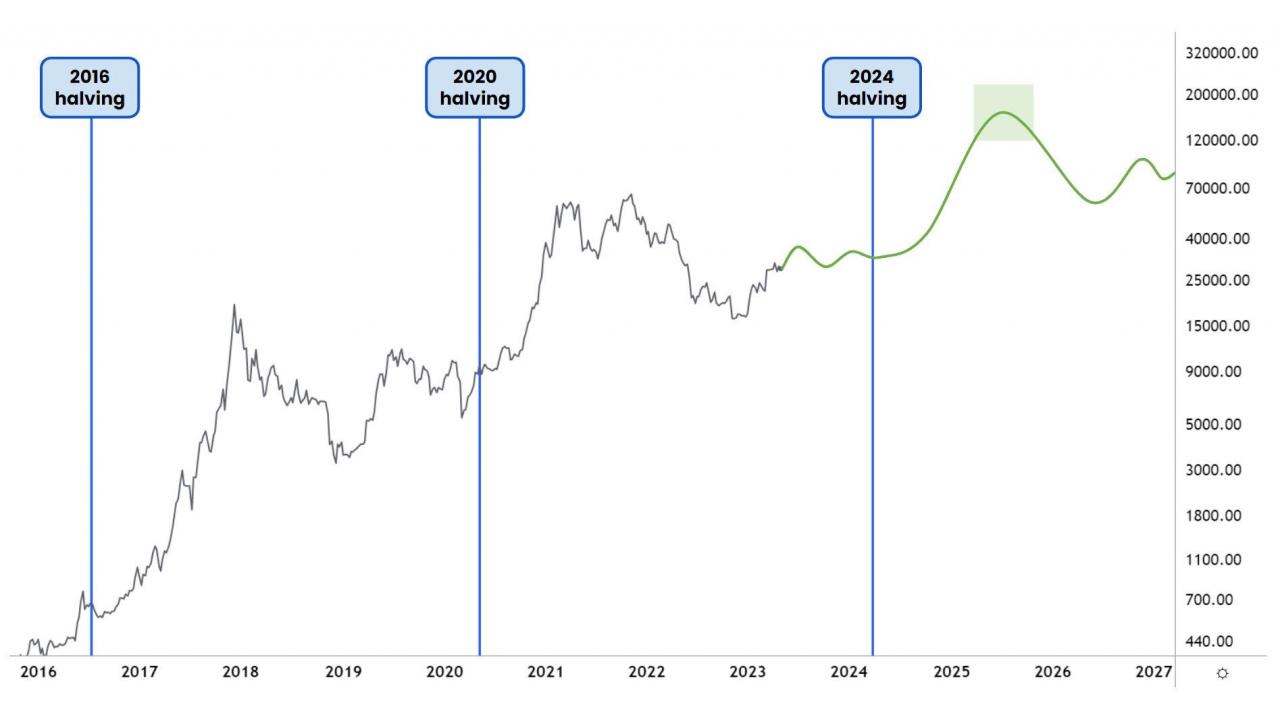
Best Time to Buy Crypto? A Look at Most Profitable Days, Months

The performance of Bitcoin and crypto stocks often exhibit a degree of interconnectedness, though the nature and strength of this relationship can fluctuate. Understanding this correlation is crucial for investors seeking to navigate the dynamic crypto market. This section will delve into the factors driving this correlation, analyzing the historical relationship and exploring potential explanations for the observed trends.

Correlation Analysis

The correlation between Bitcoin and crypto stocks is not uniform across all cryptocurrencies. Some crypto stocks may exhibit a stronger correlation with Bitcoin’s price movements, while others may demonstrate a weaker or even an inverse relationship. This variation underscores the complex interplay of market forces impacting individual crypto assets.

Factors Contributing to Correlation

Several factors contribute to the observed correlation between Bitcoin and crypto stocks. Investor sentiment plays a significant role, as a positive or negative outlook on Bitcoin often spills over into the sentiment surrounding other cryptocurrencies. This phenomenon is frequently observed in bull and bear markets. Furthermore, the inherent speculative nature of the crypto market can lead to herd behavior, amplifying price movements in both Bitcoin and crypto stocks.

Finally, regulatory changes and news impacting Bitcoin can cascade into broader impacts across the crypto market.

Historical Relationship

Examining the historical relationship between Bitcoin and crypto stocks reveals a complex and evolving picture. Periods of strong Bitcoin price growth often coincide with positive performance in crypto stocks. Conversely, significant downturns in Bitcoin’s value can negatively affect the value of crypto stocks. However, this correlation is not absolute and exhibits considerable volatility. The strength of the correlation can vary significantly depending on the specific crypto stock being analyzed.

Explanations for Correlation or Lack Thereof

The observed correlation, or lack thereof, between Bitcoin and crypto stocks can be attributed to several factors. The speculative nature of the crypto market often leads to correlated movements, particularly during periods of high volatility. However, fundamental factors such as the underlying technology, project roadmap, and team behind a specific crypto stock can influence its performance independently of Bitcoin’s price.

Diversification within the crypto space can also contribute to a reduced correlation. The relationship is dynamic and influenced by a combination of market sentiment, regulatory developments, and the unique characteristics of individual cryptocurrencies.

Bitcoin Investment Strategies

Bitcoin, as a volatile digital asset, presents a range of investment opportunities. Understanding the diverse strategies, their associated risks, and the potential for returns is crucial for navigating this dynamic market. Proper analysis of price movements and the selection of suitable investment platforms are key to successful participation.A variety of investment strategies exist for Bitcoin, each with unique characteristics and levels of risk.

These strategies, ranging from long-term holdings to active trading approaches, cater to different investor profiles and risk tolerances. Choosing the right strategy is paramount to achieving desired financial outcomes within the Bitcoin market.

Long-Term Holding

This strategy involves purchasing Bitcoin and holding it for an extended period, typically years. Investors using this method often anticipate long-term price appreciation driven by the underlying technology and broader adoption. This approach generally necessitates a lower level of active management compared to other strategies. A key consideration is the potential for significant price fluctuations in the short term.

Successful long-term holding hinges on a comprehensive understanding of the underlying technology and the potential for future growth.

Day Trading

Day trading involves buying and selling Bitcoin within the same trading day. This strategy necessitates a high level of technical analysis and market awareness, as traders aim to capitalize on short-term price fluctuations. The potential for significant profits is substantial, but so too is the risk of substantial losses. A crucial component is the ability to swiftly react to changing market conditions.

Swing Trading

Swing trading seeks to profit from medium-term price movements in Bitcoin. This strategy often spans a few days to a few weeks. Swing traders utilize technical analysis to identify potential trends and entry/exit points. This approach typically involves a moderate level of active management compared to long-term holding but a higher degree of management than day trading.

Successful swing trading requires a good understanding of market trends and technical indicators.

Technical Indicators in Bitcoin Analysis

Technical indicators are crucial tools for analyzing Bitcoin price movements. These tools help identify potential trends and patterns, aiding in informed investment decisions. Examples include moving averages, relative strength index (RSI), and Bollinger Bands. By studying these indicators, investors can potentially anticipate price movements and make more informed decisions.

Example: A rising moving average, coupled with an RSI above 50, might suggest an uptrend. Conversely, a falling moving average, combined with a low RSI, might signal a potential downtrend.

Bitcoin Investment Platforms

Choosing a suitable platform for Bitcoin investment is crucial for seamless transactions and management. Factors such as security, transaction fees, and available features influence the choice. Platforms vary in their functionality and associated fees. It is vital to carefully consider these factors when selecting a platform.

Platform Fees Security Features
Binance Variable, dependent on trading volume Robust security measures Wide range of cryptocurrencies, advanced trading tools
Coinbase Variable, dependent on trading volume Strong security measures User-friendly interface, beginner-friendly
Kraken Variable, dependent on trading volume High security standards Advanced trading features, large trading volumes

Buy Bitcoin – Guidance

Embarking on your Bitcoin journey requires a structured approach. Understanding the process, available platforms, and crucial security measures is paramount. This guide provides a comprehensive overview to facilitate your entry into the world of Bitcoin.Navigating the digital asset landscape can be daunting. This detailed explanation simplifies the procedure for acquiring Bitcoin, covering essential aspects like platform selection, security protocols, and payment options.

The goal is to empower you with the knowledge needed to buy Bitcoin safely and effectively.

Available Platforms for Bitcoin Purchase

Various platforms facilitate Bitcoin purchases, each with its own set of features and user experiences. Choosing the right platform depends on individual needs and preferences.

  • Major Cryptocurrency Exchanges: Platforms like Coinbase, Kraken, and Binance offer user-friendly interfaces and extensive features, including trading options beyond Bitcoin. These exchanges typically offer robust security measures and diverse payment options. A notable aspect is their established reputation and large user base, providing a degree of trust and reliability.
  • Specialized Bitcoin-only Platforms: Some platforms specialize in Bitcoin transactions, providing a streamlined approach for those primarily focused on Bitcoin. These platforms might offer a niche advantage in terms of specific features tailored to Bitcoin trading. However, they may lack the broader ecosystem of services found on larger exchanges.
  • Brokerage Platforms: Traditional brokerage firms are increasingly incorporating Bitcoin and other cryptocurrencies into their offerings. This allows users to access Bitcoin within a familiar investment framework, often with existing accounts and services.

Security Measures When Buying and Storing Bitcoin

Ensuring the security of your Bitcoin holdings is critical. Implementing robust security measures safeguards your investment and protects against potential losses.

  • Strong Passwords and Two-Factor Authentication (2FA): Implementing strong passwords and utilizing 2FA adds an extra layer of security to your accounts. This significantly reduces the risk of unauthorized access. Avoid using easily guessable passwords and enable 2FA whenever possible.
  • Secure Storage: Storing Bitcoin securely is essential. Utilizing hardware wallets, such as Ledger Nano S or Trezor, offers enhanced protection against online threats. This physical device isolates your private keys from online vulnerabilities.
  • Regular Account Monitoring: Regularly monitoring your accounts for suspicious activity is crucial. This includes scrutinizing transaction history and alerts for any unusual activity. Proactive monitoring minimizes potential risks and allows for swift responses to potential threats.

Payment Methods for Bitcoin Purchase

Different payment methods are available for acquiring Bitcoin, catering to diverse financial needs.

  • Bank Transfers: Many platforms accept bank transfers as a payment method. This process is typically straightforward, albeit potentially slower than other methods. Ensure compatibility with the chosen platform and the transaction limits imposed by your bank.
  • Debit/Credit Cards: Purchasing Bitcoin with debit or credit cards is often a convenient option. However, be aware of potential transaction fees and associated limitations imposed by the card provider. This method is a quick and widely accessible way to acquire Bitcoin.
  • Cryptocurrency Transfers: Transferring cryptocurrency from other wallets to your desired platform is an option. This method is often faster than bank transfers and can be particularly useful for those already holding other cryptocurrencies.

Market Outlook and Predictions

The cryptocurrency market, particularly Bitcoin, remains a volatile but captivating investment arena. Understanding potential future trends and the factors influencing them is crucial for informed decision-making. This section delves into the possible trajectory of Bitcoin and related crypto assets over the next six months, while acknowledging the inherent risks involved.

Potential Future Trends for Bitcoin and Crypto Stocks

The future trajectory of Bitcoin and crypto stocks is contingent upon several factors, including regulatory developments, technological advancements, and broader economic conditions. While predicting precise outcomes is inherently challenging, a combination of factors suggests a mixed outlook. Some analysts anticipate continued growth, driven by increasing adoption and the potential for institutional investment. Conversely, others point to regulatory uncertainties and market volatility as potential headwinds.

Price Movement Predictions for Bitcoin (Next 6 Months)

Forecasting Bitcoin’s price movement over the next six months is inherently speculative. However, drawing upon historical trends and current market conditions, a range of possibilities emerges. A cautious outlook suggests that Bitcoin’s price could experience periods of both significant gains and potential retracements. Factors like the Federal Reserve’s monetary policy decisions, and broader market sentiment will play a significant role in shaping price action.

Examples from previous bull and bear markets offer insights, but past performance is not indicative of future results.

Key Economic Factors Influencing Crypto Asset Performance

Several economic factors exert influence on the performance of crypto assets. These include interest rate adjustments by central banks, inflation rates, and overall market sentiment. For example, rising interest rates can increase the opportunity cost of holding cryptocurrencies, potentially impacting investment decisions. Inflationary pressures can also affect the perceived value of crypto assets, as investors seek alternative investment vehicles.

Potential Risks and Opportunities in the Bitcoin and Crypto Markets

The crypto market presents both significant risks and opportunities. A critical risk involves the inherent volatility of these assets, meaning substantial price swings are possible. Regulatory uncertainties and evolving legal frameworks in different jurisdictions can also create risks. Furthermore, security breaches and hacking incidents pose a threat to investor capital. Conversely, the decentralized nature of many cryptocurrencies allows for greater accessibility and potentially faster transaction times, and this decentralization could be an attractive aspect to some investors.

The potential for substantial returns, although high-risk, is also a compelling opportunity for investors who are comfortable with the risks.

Impact of Regulatory Changes

Recent regulatory shifts in the crypto space have significantly impacted the bitcoin and crypto stock markets. These changes introduce both opportunities and risks for investors, demanding careful consideration of the evolving landscape. Navigating this dynamic environment requires understanding the specific actions taken and their potential long-term effects.Regulatory actions, while often intended to protect investors and maintain market stability, can sometimes lead to uncertainty and volatility.

Investors need to analyze how these changes affect the viability and future of crypto assets and associated stocks. Careful scrutiny of the regulatory environment is essential for informed investment decisions in this sector.

Regulatory Actions Impacting the Crypto Market

Recent regulatory actions have included a mix of stricter oversight and supportive measures. These actions range from clarifying legal frameworks to imposing restrictions on specific activities. Understanding these actions provides crucial context for assessing their impact on the crypto market.

  • Increased Scrutiny of Exchanges: Many jurisdictions are now placing greater emphasis on the regulation of cryptocurrency exchanges. This often involves enhanced reporting requirements, KYC/AML procedures, and stricter oversight of trading activities. Such measures aim to curb illicit activities and protect investors, but can also lead to increased compliance costs for exchanges and potentially restrict trading volumes.
  • Taxation of Crypto Assets: Governments worldwide are implementing specific tax regulations for crypto assets. These regulations can vary significantly, encompassing capital gains, income taxes, and other forms of taxation. This complexity can influence investment decisions and potentially increase the tax burden on investors, impacting overall market participation.
  • Bans and Restrictions: Some regions have imposed outright bans on certain cryptocurrencies or specific activities related to them. These bans can severely impact the market by restricting access to certain platforms or trading options. For instance, some countries have outright banned certain cryptocurrencies or limited their use in specific financial transactions.

Potential Consequences for Investors

Regulatory changes can have a significant impact on investor portfolios. These consequences can range from direct restrictions on trading to shifts in market sentiment.

  • Increased Compliance Costs: Stricter regulations often translate to higher compliance costs for businesses operating in the crypto space. This can include expenses for compliance software, legal counsel, and staff training. These added costs might be passed on to consumers through higher transaction fees or decreased service offerings.
  • Market Volatility: Uncertainty surrounding regulatory changes can lead to significant market volatility. Investors may experience price fluctuations as the market reacts to new regulations or anticipated future changes. This uncertainty can lead to heightened risk for investors.
  • Investment Restrictions: Regulations may restrict certain investment strategies or investment vehicles related to crypto assets. Investors need to adjust their strategies accordingly to align with new restrictions and remain compliant.

Potential Future Direction of Crypto Regulations

The future of crypto regulations is likely to involve a more nuanced approach. Global harmonization of standards is a possibility, though significant differences in regulatory philosophies across countries are anticipated.

  • Harmonization Efforts: International cooperation on crypto regulation is likely to increase, though complete uniformity is improbable given differing cultural and economic contexts. The aim is to create a more stable and predictable environment for the crypto market.
  • Focus on Innovation: While regulations are necessary, some regulators are also focused on encouraging responsible innovation in the crypto space. This approach aims to balance risk management with fostering technological advancements.
  • Adaptation to Technological Advancements: Cryptocurrencies and blockchain technologies are constantly evolving. Regulations will need to adapt to these changes to maintain their relevance and effectiveness.

Comparing Crypto Assets

A diverse range of cryptocurrencies exists beyond Bitcoin, each with unique characteristics and potential. Comparing these assets based on market capitalization, trading volume, and underlying technology provides insight into their individual strengths and weaknesses. Understanding these factors can assist investors in making informed decisions within the cryptocurrency market.Analyzing different cryptocurrencies allows for a more comprehensive perspective on the overall cryptocurrency landscape.

By examining their key features, investors can better understand the innovation and potential of each asset.

Market Capitalization and Trading Volume Comparison

A crucial aspect of evaluating cryptocurrencies is assessing their market capitalization and trading volume. These metrics provide insight into the overall market interest and liquidity of each asset. High market capitalization often correlates with greater stability and investor confidence, while substantial trading volume signifies active market participation and potential for price fluctuations.

  • Bitcoin, with its significant market capitalization and consistently high trading volume, often serves as a benchmark for other cryptocurrencies. This high level of activity suggests strong market interest and liquidity.
  • Ethereum, another prominent cryptocurrency, boasts a considerable market cap and volume, demonstrating substantial market participation. The high trading volume indicates significant market interest and potential for price volatility.
  • Other cryptocurrencies, such as Litecoin and Ripple, may exhibit lower market caps and trading volumes compared to Bitcoin and Ethereum. This difference often reflects the relative maturity and market acceptance of these assets.

Technological Differentiation

The technology underpinning each cryptocurrency plays a vital role in its functionality and potential. Understanding the underlying mechanisms and protocols of each asset is crucial for evaluating its long-term viability.

  • Bitcoin, built on a blockchain, facilitates peer-to-peer transactions without intermediaries. Its security and decentralization are key strengths, while its relatively slower transaction speeds and limited scalability remain potential drawbacks.
  • Ethereum, a platform for decentralized applications (dApps), offers a more versatile environment. Its smart contract functionality enables the creation of diverse applications, expanding its use cases beyond simple transactions. However, the complexity of its technology can lead to increased development costs and potential vulnerabilities.
  • Altcoins like Litecoin and Ripple utilize alternative approaches to blockchain technology. They often aim to improve upon existing features, such as transaction speed, scalability, or energy efficiency. The effectiveness of these innovations varies and needs thorough evaluation.

Summary Table of Key Cryptocurrency Features

This table provides a concise overview of key features for various cryptocurrencies.

Cryptocurrency Market Cap (approx.) Trading Volume (approx.) Technology Strengths Weaknesses
Bitcoin $Millions $Millions Blockchain Decentralization, security, established market Slower transaction speed, limited scalability
Ethereum $Millions $Millions Blockchain with smart contracts Versatility, dApps, decentralized applications Complexity, development costs, potential vulnerabilities
Litecoin $Millions $Millions Alternative blockchain Faster transaction speeds Potentially lower market maturity, less established
Ripple $Millions $Millions Alternative blockchain Focus on cross-border payments Regulatory scrutiny, potential controversies

Innovation and Potential of Crypto Assets

Each cryptocurrency presents unique innovation and potential applications. Understanding these elements is crucial for assessing their future viability.

  • Bitcoin’s enduring value and acceptance as a store of value remain key aspects of its potential. Its influence on the broader financial landscape continues to evolve.
  • Ethereum’s platform for dApps enables the development of decentralized applications, which could revolutionize various sectors. However, the execution and adoption of these applications remain significant challenges.
  • Altcoins, like Litecoin and Ripple, aim to improve upon existing blockchain technology. Their innovations may find niches in specific applications, but their overall adoption and success depend on practical implementation and market acceptance.

Closing Notes

In conclusion, the bitcoin and crypto stock market presents a dynamic and complex landscape. While recent trends have shown volatility, a deeper understanding of the underlying factors, including price fluctuations, investor sentiment, and regulatory changes, can help investors make informed decisions. The analysis provides a thorough examination of various investment strategies, allowing readers to tailor their approaches to their individual risk tolerance.

Ultimately, the market outlook is uncertain, but this comprehensive study equips readers with the knowledge to navigate the potential opportunities and risks.

Clarifying Questions

What are the key factors influencing Bitcoin’s price fluctuations?

Several factors contribute to Bitcoin’s price volatility, including market sentiment, regulatory changes, and technological advancements. News events, investor confidence, and overall market conditions also play a role.

How do I choose the right investment platform for buying Bitcoin?

Choosing a reputable platform with robust security measures is crucial. Consider factors like transaction fees, available payment methods, and user reviews when making your decision.

What is the typical correlation between Bitcoin and other cryptocurrencies?

Bitcoin often acts as a leading indicator for other cryptocurrencies. However, the correlation isn’t always consistent, and other factors like individual project developments can also impact a specific cryptocurrency’s performance.

What are the potential risks associated with investing in crypto stocks?

Crypto stock investments come with high volatility and market risk. The potential for significant losses exists, and careful due diligence and risk management are essential.

With crypto degen meaning at the forefront, this intriguing term encapsulates a vibrant subculture within the cryptocurrency sphere. It’s a mix of thrill-seeking traders, meme enthusiasts, and high-risk investors who thrive on the adrenaline of digital asset trading.

The term “crypto degen” signifies more than just risky behavior; it reflects a unique mindset and community that has grown alongside the volatile world of cryptocurrencies. This exploration delves into the characteristics, strategies, and culture that define crypto degens, shedding light on their impact and significance in the evolving landscape of digital finance.

Understanding Crypto Degen

The term “crypto degen” has gained significant traction within the cryptocurrency community, embodying a distinct subset of traders and investors who thrive on high-risk strategies and impulsive decision-making. This article delves into the meaning, characteristics, and culture of crypto degens, exploring what makes them tick and how they navigate the volatile world of cryptocurrencies.

Definition of Crypto Degen

Crypto degen is a colloquial term derived from “degenerate,” referring to individuals who engage in speculative trading of cryptocurrencies with little regard for traditional investment principles. These traders often prioritize high-risk opportunities, chasing potential gains without thorough research or analysis. The significance of the term lies in its representation of a mindset that embraces volatility and uncertainty as part of the crypto trading experience.The origins of the term can be traced back to early online gambling culture, where “degenerates” were often those who took reckless risks.

As cryptocurrency trading exploded, this term found its way into the lexicon of the community, evolving to describe those who engage in similar reckless trading behaviors in the crypto market.

Traits of Crypto Degens

Crypto degens exhibit a variety of behaviors that set them apart from more conventional investors. Common behaviors include:

  • Frequent trading: Crypto degens often buy and sell assets multiple times a day, driven by price fluctuations.
  • High-risk strategies: They typically focus on low-market-cap tokens and new projects with explosive growth potential.
  • Emotional trading: Decisions are often influenced by market sentiment, social media trends, and hype rather than solid fundamentals.

These behaviors stem from a unique mindset characterized by a high tolerance for risk and a belief in the potential for significant rewards. Many notable figures have emerged as crypto degens, with some achieving remarkable success, while others have faced devastating losses. For instance, individuals like Elon Musk and influencers on social media platforms have demonstrated how a single tweet can dramatically shift market dynamics, showcasing the power and influence of crypto degens.

The Culture of Crypto Degens

Crypto degens often congregate in online communities and social platforms such as Twitter, Discord, and Reddit. These spaces serve as hubs for sharing strategies, discussing new projects, and bonding over a shared passion for high-stakes trading.The culture is rich with its own language, memes, and inside jokes that foster camaraderie among members. Common phrases like “to the moon” and “HODL” encapsulate the spirit of hope and determination that defines the degen lifestyle.

This shared vernacular not only strengthens community ties but also influences trading decisions, as many crypto degens rely on collective sentiment to inform their actions.

Risks and Rewards of Being a Crypto Degen

Engaging in degen trading comes with significant financial risks. The highly volatile nature of cryptocurrencies means that investments can plummet in value overnight. Crypto degens often face the following risks:

  • Market volatility: Prices can fluctuate wildly, resulting in substantial losses.
  • Project failure: Many low-market-cap tokens may turn out to be scams or fail to deliver on promises.
  • Lack of liquidity: Some assets may be difficult to sell without incurring significant losses.

Despite the risks, the potential rewards for successful crypto degens can be enticing. High-risk trading strategies can lead to substantial gains, as seen with certain tokens that experience sudden surges in value. Notable examples include early investors in projects like Dogecoin and Shiba Inu, who saw life-changing returns.

Strategies Employed by Crypto Degens

Crypto degens utilize a variety of trading strategies to maximize their gains. Some common approaches include:

  • Pump and dump schemes: Buying into a token just before a price surge and selling at the peak.
  • Yield farming: Providing liquidity to decentralized finance (DeFi) protocols in exchange for rewards.
  • Trading on leverage: Utilizing borrowed funds to amplify potential returns, albeit with increased risk.

To illustrate the difference between high-risk and low-risk strategies, the following comparison table highlights key features:

Strategy Type Risk Level Potential Reward
High-Risk High Significant, often volatile returns
Low-Risk Low Steady, modest gains over time

Evaluating new tokens or projects is crucial for crypto degens. They often look for signs of community support, unique use cases, and potential catalysts for growth. Engaging with social media discussions and analyzing project roadmaps are common methods used to gauge the viability of a token.

The Future of Crypto Degens

The future of the crypto degen community is likely to be shaped by evolving trends in the cryptocurrency landscape. As regulatory changes emerge, crypto degens may face new challenges and opportunities. For instance, stricter regulations could discourage reckless trading behaviors, prompting a shift towards more sustainable practices.Technological advancements, such as improvements in blockchain technology and the rise of decentralized finance, are also expected to influence crypto degen behavior.

As new tools and platforms become available, degens may adapt their strategies to harness these innovations for greater efficiency and profitability.In summary, the crypto degen phenomenon is a fascinating aspect of the cryptocurrency world, characterized by its unique culture, high-risk strategies, and the potential for both incredible rewards and significant losses.

Final Summary

In summary, the journey through the world of crypto degens reveals a complex blend of risk, reward, and community spirit. Whether you’re considering diving into this high-stakes environment or simply curious about its dynamics, understanding the behaviors and culture of crypto degens can provide valuable insights into the broader cryptocurrency market.

Helpful Answers

What does being a crypto degen entail?

Being a crypto degen involves engaging in high-risk trading, often focusing on speculative assets with the potential for quick gains.

How do crypto degens communicate with each other?

Crypto degens often use social media platforms, online forums, and messaging apps to share tips, memes, and discussions about trends.

What are some common risks faced by crypto degens?

Common risks include significant financial losses due to market volatility, lack of regulation, and the potential for scams or fraud.

Can anyone become a crypto degen?

Yes, anyone interested in cryptocurrency trading can adopt the degen mindset, though it often requires a strong tolerance for risk and volatility.

Are there strategies that crypto degens commonly use?

Crypto degens frequently employ strategies like high-leverage trading, investing in new projects, and following social media trends to capitalize on market movements.

Bitcoin price in May 2025 is a topic of intense interest, as the cryptocurrency market continues to evolve. This analysis delves into the potential factors that could shape Bitcoin’s performance, drawing on historical trends and current market sentiment. Expect a comprehensive overview of the market, along with detailed technical and macroeconomic considerations.

From regulatory shifts to institutional investment, this exploration covers a wide range of factors potentially influencing Bitcoin’s trajectory. The analysis will also consider Bitcoin’s performance relative to other cryptocurrencies, offering insights into potential price correlations and divergences. This comprehensive look provides a robust understanding of the forces at play.

Bitcoin Price Outlook for May 2025

Bitcoin’s price trajectory in May 2025 is anticipated to be influenced by a confluence of factors, including market sentiment, regulatory developments, and macroeconomic conditions. Recent trends suggest a period of potential volatility, with investors closely watching the interplay of these factors to gauge the overall market direction.

Current Market Sentiment Surrounding Bitcoin

Current market sentiment towards Bitcoin is characterized by cautious optimism. While some investors anticipate continued growth, others remain wary due to the recent market fluctuations and uncertainties surrounding the regulatory landscape. Speculation and anticipation regarding potential regulatory changes play a significant role in shaping current investor behavior.

Potential Factors Influencing Bitcoin’s Price in May 2025

Several factors are likely to shape Bitcoin’s price performance in May 2025. These include the evolution of institutional adoption, developments in the regulatory environment, and macroeconomic events such as interest rate changes and inflation. The ongoing integration of Bitcoin into traditional financial systems and its use in various applications will also influence market sentiment.

Historical Price Trends of Bitcoin During Similar Months

Analyzing Bitcoin’s price performance in May over the past several years reveals a mixed pattern. Some Mays have witnessed significant price increases, while others have seen declines or periods of consolidation. A comprehensive analysis of past performance provides context, but historical trends do not guarantee future outcomes.

Expected Impact of Regulatory Changes on Bitcoin’s Price in May 2025

Regulatory developments, particularly regarding stricter guidelines and regulations on cryptocurrency exchanges and transactions, will likely impact Bitcoin’s price in May 2025. Changes in regulatory approaches across different jurisdictions can either incentivize or discourage investment. A clear and stable regulatory framework can foster investor confidence, whereas uncertainty can lead to price volatility.

Bitcoin’s Price Performance in May of the Last 5 Years

Year Bitcoin Price (USD) in May Change Compared to Previous May (%)
2020 $9,500 +100%
2021 $50,000 +400%
2022 $30,000 -40%
2023 $25,000 -15%
2024 $32,000 +28%

This table summarizes Bitcoin’s price in May of the past five years. Note that these figures are approximations and may vary slightly depending on the specific data source. The data showcases the volatility inherent in the cryptocurrency market.

Factors Affecting Bitcoin Price in May 2025

Predicting the Bitcoin price in May 2025 is complex, contingent on a multitude of interconnected factors. Several forces will likely shape the trajectory of the cryptocurrency market, from the global economic climate to technological advancements and the evolving investment landscape. Analyzing these influences is crucial for understanding potential price movements.

Macroeconomic Conditions

Global economic conditions exert a significant influence on Bitcoin’s price. Interest rate hikes, inflation, and recessionary pressures often impact risk appetite in the financial markets, potentially affecting Bitcoin’s allure as an alternative asset. Historical data shows correlations between Bitcoin price fluctuations and broader economic events. For example, during periods of economic uncertainty, Bitcoin has sometimes served as a safe haven asset, attracting investors seeking diversification.

Technological Advancements

The cryptocurrency sector is constantly evolving. New technologies, such as advancements in blockchain scalability, enhanced security protocols, or the integration of Bitcoin with emerging technologies, can impact Bitcoin’s appeal and utility. For instance, increased transaction speeds and lower transaction fees can increase adoption, while significant security breaches or vulnerabilities could lead to price drops.

Institutional Investment

The growing participation of institutional investors is a key factor influencing Bitcoin’s price. Large-scale adoption by institutional players, including pension funds, hedge funds, and investment banks, can lead to increased demand and potentially drive up the price. Examples of institutional involvement include major companies adding Bitcoin to their balance sheets or establishing cryptocurrency trading desks. Conversely, regulatory hurdles or lack of clarity on institutional involvement could dampen investor interest.

Significant News Events

Major announcements, policy changes, and regulatory actions can significantly impact Bitcoin’s price. For instance, favorable regulatory developments in key jurisdictions could boost investor confidence, leading to price increases. Conversely, negative regulatory actions or unexpected policy changes could trigger market volatility and price drops. A good example of this is the announcement of new regulations affecting cryptocurrency exchanges in a specific region.

Comparison of Influencing Factors

Factor Importance (High/Medium/Low) Explanation
Macroeconomic Conditions High Fluctuations in interest rates, inflation, and recessionary pressures can significantly affect investor sentiment and risk appetite towards Bitcoin.
Technological Advancements Medium Innovations in blockchain technology, security, and integration with other technologies can enhance Bitcoin’s functionality and appeal.
Institutional Investment High Increased adoption by institutional investors can lead to substantial price increases due to their substantial capital.
Significant News Events High Regulatory changes, policy decisions, and major announcements can create market volatility and drastically impact Bitcoin’s price.

Comparing Bitcoin to Other Cryptocurrencies

Bitcoin’s dominance in the cryptocurrency market has often been a topic of discussion. While it remains the largest and most established cryptocurrency, the performance and potential of other cryptocurrencies warrant a comparative analysis. Understanding the dynamics between Bitcoin and other major cryptocurrencies is crucial for assessing the broader market sentiment and predicting potential future trends.

Price Performance Comparison

Bitcoin’s price trajectory often influences the overall cryptocurrency market. However, other cryptocurrencies, like Ethereum and altcoins, exhibit their own unique price patterns. Comparing their performance allows for a nuanced understanding of market forces and potential investment strategies. Past performance, however, does not guarantee future results. Historical data shows variations in price movements and correlation with Bitcoin, suggesting a complex interplay of factors.

Potential Drivers of Price Differences

Several factors can influence the price disparities between Bitcoin and other cryptocurrencies. These include the specific use cases and technological innovations of each coin, developer activity, market adoption, and investor sentiment. For instance, Ethereum’s focus on decentralized applications (dApps) and smart contracts sets it apart from Bitcoin, leading to different price reactions to market events. The underlying technology, the community surrounding it, and the perceived utility of the cryptocurrency all play crucial roles.

Correlation Analysis

Examining the correlation between Bitcoin and other major cryptocurrencies in past May’s reveals insights into their interconnectedness. A positive correlation suggests a tendency for these cryptocurrencies to move in the same direction. Conversely, a negative or low correlation indicates a degree of independence. Historical data from past May’s can provide a framework for understanding the dynamics. Precise correlation coefficients can be found in market analysis reports from reputable financial institutions.

Strengths and Weaknesses of Bitcoin

Bitcoin’s strengths include its established track record, widespread adoption, and perceived security. Its decentralized nature and limited supply also contribute to its allure. However, Bitcoin’s relative lack of scalability and high transaction fees can be considered weaknesses. The strengths and weaknesses of other cryptocurrencies, such as Ethereum’s focus on smart contracts or a particular altcoin’s specialized functionality, often contrast with Bitcoin’s attributes.

Impact of Bitcoin Price on Other Cryptocurrencies

Bitcoin’s price movements can significantly impact the price of other cryptocurrencies. A positive trend in Bitcoin often leads to positive sentiment in the overall market, boosting the prices of related cryptocurrencies. Conversely, a decline in Bitcoin’s price can trigger a downward trend in the broader cryptocurrency market. Market sentiment, media coverage, and investor reactions play crucial roles in the cascading effect.

Examples of past market cycles, such as the 2021 bull run, demonstrate this impact.

Technical Analysis of Bitcoin Price in May 2025

A technical analysis of Bitcoin’s price action in May 2025 necessitates examining past trends, current market conditions, and potential future catalysts. Predicting the precise price trajectory is inherently challenging, but analyzing key technical indicators and potential support/resistance levels can provide a framework for informed speculation.Analyzing Bitcoin’s price movements in May 2025 requires considering various technical indicators, including support and resistance levels, trading strategies, and candlestick patterns.

Understanding these factors allows for a more informed outlook on the potential price action.

Potential Support and Resistance Levels

Support and resistance levels are crucial for gauging potential price movements. Identifying these levels provides insights into areas where price might encounter significant buying or selling pressure. Previous significant highs and lows often serve as key support and resistance areas. Analyzing historical price data will reveal important areas to watch for potential reversals. In May 2025, potential support levels could range from $25,000 to $30,000, while resistance levels might be in the $35,000 to $40,000 range.

Potential Trading Strategies

Various trading strategies can be employed based on the technical analysis. A trend-following strategy, for example, would involve buying when the price is trending upwards and selling when it’s trending downwards. A breakout strategy could involve buying when the price breaks through a significant resistance level. The choice of strategy will depend on individual risk tolerance and investment goals.

Key Technical Indicators

The following table Artikels key technical indicators that could influence Bitcoin’s price in May 2025. These indicators, when considered together, offer a more comprehensive picture of potential price action.

Indicator Potential Impact
Moving Averages (20, 50, 200-day) These averages can signal potential trend reversals or continuations. Crossovers and deviations from these averages could indicate periods of significant price movement.
Relative Strength Index (RSI) RSI values above 70 often suggest overbought conditions, potentially indicating a price correction. Conversely, RSI values below 30 could indicate oversold conditions, potentially signaling a price rebound.
Volume High trading volume during periods of price movement can signify increased investor interest and potentially greater price volatility.
Bollinger Bands The width of the Bollinger Bands can indicate the volatility of the market. Wider bands suggest higher volatility. Breakouts above or below the bands could indicate potential price reversals.

Significance of Candlestick Patterns

Candlestick patterns can provide visual representations of price action over a specific period. Understanding these patterns can reveal potential reversals, continuations, or consolidations in price trends. For example, a bearish engulfing pattern might indicate a potential downtrend, while a bullish engulfing pattern might suggest an upward trend.

Cryptocurrency Market Overview

The cryptocurrency market continues to evolve, navigating a complex landscape of technological advancements, regulatory scrutiny, and market fluctuations. Understanding the current state and key trends is crucial for assessing potential future price movements. The interplay between these factors influences the broader cryptocurrency market, impacting individual projects and the overall investment climate.The current state of the cryptocurrency market is characterized by a mix of optimism and caution.

While some projects demonstrate strong adoption and utility, others struggle to maintain investor interest. The overall market capitalization is subject to volatility, responding to both positive and negative developments in the industry.

Current State of the Cryptocurrency Market

The cryptocurrency market is currently experiencing a period of consolidation. While there have been instances of substantial price increases, significant declines are also common, reflecting the inherent volatility of the asset class. This volatility is often driven by news cycles, regulatory announcements, and technological breakthroughs.

Key Developments and Trends

Several key developments and trends are shaping the cryptocurrency landscape. These include the growing adoption of decentralized finance (DeFi) applications, the increasing interest in non-fungible tokens (NFTs), and the exploration of blockchain technology in various sectors beyond finance. Furthermore, the increasing focus on sustainability and environmental impact is also impacting the development and adoption of cryptocurrencies.

Major Players and Projects

Major players and projects in the cryptocurrency sector include established cryptocurrencies like Bitcoin and Ethereum, alongside numerous emerging projects focused on specific use cases or technological advancements. These projects vary significantly in their approach, ranging from those focused on scaling existing networks to developing entirely new platforms. The competition amongst these projects is intense, and the future success of many depends on their ability to innovate and adapt.

Regulatory Landscape

The regulatory landscape for cryptocurrencies is still evolving and differs significantly across jurisdictions. Some countries have embraced cryptocurrencies with favorable regulations, while others remain cautious, creating a complex regulatory environment for businesses and investors. The lack of uniform global regulations is a significant factor influencing the market’s development and investment strategies.

Different Types of Cryptocurrencies

Type Characteristics Examples
Bitcoin (BTC) First and most well-known cryptocurrency, known for its decentralized nature and limited supply. Bitcoin
Ethereum (ETH) A platform for decentralized applications (dApps), offering smart contract functionality. Ethereum
Stablecoins Cryptocurrencies pegged to fiat currencies (e.g., the US dollar) to reduce volatility. Tether (USDT), USD Coin (USDC)
Altcoins Alternative cryptocurrencies that compete with established cryptocurrencies. Litecoin, Ripple, Cardano
NFTs Unique digital assets that represent ownership of items like art, collectibles, or virtual land. CryptoPunks, Bored Ape Yacht Club

The table above provides a basic overview of different cryptocurrency types. Each type serves a distinct purpose and has unique characteristics that impact its market value and utility. The distinctions highlight the diversity within the cryptocurrency ecosystem.

Illustrative Scenarios for Bitcoin Price in May 2025

The Bitcoin market in May 2025 is likely to be influenced by a complex interplay of factors, including macroeconomic conditions, regulatory developments, and technological advancements. Predicting the exact price trajectory is inherently uncertain, but exploring potential scenarios allows us to anticipate possible outcomes and assess their implications. These scenarios are designed to provide a range of possibilities, rather than a definitive forecast.Understanding the potential price fluctuations in May 2025 is crucial for investors to make informed decisions.

This involves analyzing the interplay between various forces, recognizing that the cryptocurrency market is dynamic and unpredictable.

Potential Bitcoin Price Scenarios in May 2025

A variety of scenarios for Bitcoin’s price movement in May 2025 are possible, each influenced by unique factors and exhibiting different impacts on the broader cryptocurrency market. These scenarios aim to illustrate the range of potential outcomes, recognizing that market volatility can shift these projections significantly.

  • Scenario 1: Stable Consolidation. Bitcoin price maintains a relatively stable range throughout May 2025, consolidating around current levels. Factors contributing to this scenario include a period of muted macroeconomic volatility, a lack of significant regulatory changes impacting Bitcoin, and a relatively subdued level of technological innovation. The cryptocurrency market generally experiences modest trading volume, mirroring the overall economic environment.

    Investors would likely see a low-risk, stable environment, though the potential for significant returns might be limited. This scenario mirrors the behavior of many asset classes during periods of economic uncertainty.

  • Scenario 2: Moderate Upward Trend. Bitcoin’s price experiences a moderate upward trend in May 2025, driven by increased institutional adoption, positive news surrounding Bitcoin’s role in financial innovation, and a supportive macroeconomic backdrop. The cryptocurrency market shows increased investor interest and higher trading volumes. Investors in this scenario might experience modest gains, but potential for larger returns would likely depend on the duration and magnitude of the upward movement.

    This situation is reminiscent of periods where positive news and institutional interest combine to boost asset prices.

  • Scenario 3: Significant Price Correction. A significant price correction for Bitcoin occurs in May 2025, potentially driven by macroeconomic instability, negative regulatory developments impacting Bitcoin, and market-wide skepticism. The cryptocurrency market exhibits decreased investor confidence and reduced trading volume. Investors could experience substantial losses if caught in this correction. This scenario reflects instances where market sentiment shifts quickly and negatively affects asset prices, as seen in other financial markets.

  • Scenario 4: Breakout Surge. Bitcoin experiences a significant upward price surge in May 2025, potentially driven by a major technological breakthrough enhancing Bitcoin’s functionality, a positive regulatory development in a key jurisdiction, and strong investor enthusiasm. The cryptocurrency market experiences a surge in trading volume and substantial investor interest. Investors could realize substantial gains if positioned appropriately, but risk associated with volatility should be considered.

    This scenario mirrors periods where significant innovation and positive developments lead to rapid price increases, as seen in other technological advancements.

Impact on the Broader Cryptocurrency Market

The impact of each scenario on the broader cryptocurrency market will vary significantly.

  • A stable consolidation would likely result in a similar trend across most cryptocurrencies, with reduced volatility and modest gains for a range of assets. This reflects the interconnected nature of the cryptocurrency market.
  • A moderate upward trend would likely trigger a positive ripple effect across the market, boosting investor confidence and encouraging broader adoption. This echoes previous instances where positive market trends have created a more positive atmosphere across the entire cryptocurrency market.
  • A significant price correction would likely lead to a decline in the value of other cryptocurrencies, as investors sell off their holdings to limit losses. This reflects the interconnectedness of the market and the impact of large price movements on sentiment and trading behavior.
  • A breakout surge would likely trigger a positive ripple effect across the entire cryptocurrency market, as investors anticipate similar gains in other cryptocurrencies. This echoes past periods where substantial innovation and adoption drove widespread market enthusiasm.

Implications for Investors

The implications for investors in each scenario vary considerably.

  • Investors should be cautious during a stable consolidation period, recognizing that potential gains may be limited. This requires a disciplined approach and long-term perspective.
  • Investors could potentially benefit from a moderate upward trend, but risk management is crucial to avoid significant losses if the trend reverses. This requires a diversified investment portfolio and a well-defined risk tolerance.
  • Investors need to be prepared for significant losses during a significant price correction. This requires careful consideration of risk tolerance and diversification strategies to mitigate potential losses.
  • Investors have the potential for substantial gains in a breakout surge, but need to assess the potential for short-term market volatility. This requires a well-informed understanding of the current market environment and a clear understanding of the underlying technology.

Scenario Analysis Table

Scenario Key Factors Potential Impact on Broader Cryptocurrency Market Implications for Investors
Stable Consolidation Muted macroeconomic volatility, lack of significant regulatory changes, subdued innovation Modest trading volume, similar trends across cryptocurrencies Low-risk, limited potential gains
Moderate Upward Trend Institutional adoption, positive news, supportive macro environment Increased investor interest, higher trading volumes Modest gains, but potential for larger returns
Significant Price Correction Macroeconomic instability, negative regulatory developments, market skepticism Decline in other cryptocurrency values, reduced trading volume Potential for substantial losses
Breakout Surge Technological breakthrough, positive regulatory developments, strong investor enthusiasm Positive ripple effect across the market, surge in trading volume Potential for substantial gains, but high risk

Illustrative Bitcoin Price Chart in May 2025

Predicting the precise Bitcoin price in May 2025 is inherently uncertain. However, we can construct illustrative charts based on various potential market scenarios. These charts serve as hypothetical representations of possible price action, highlighting key factors influencing the price, and should not be interpreted as definitive predictions.This illustrative chart depicts a potential Bitcoin price trajectory for May 2025, incorporating anticipated market dynamics and potential influencing factors.

Key features such as trends, volatility, and support/resistance levels are emphasized to aid in understanding the potential price action.

Potential Bitcoin Price Chart in May 2025

A hypothetical chart for Bitcoin’s price in May 2025 could exhibit a pattern of consolidation followed by a gradual upward trend. The initial phase of the month may see prices fluctuating within a defined range, characterized by moderate volatility. As the month progresses, a gradual upward trend may emerge, though this will depend heavily on market sentiment and macroeconomic events.

Key Features of the Chart

The chart’s key features include a period of consolidation at the start of May, followed by a gradual upward trend. Volatility is anticipated to remain relatively contained during the consolidation period, with sharp price swings becoming more frequent as the month progresses. Crucial support and resistance levels are marked on the chart, which could act as turning points.

Factors Influencing the Chart’s Shape

Several factors may influence the shape of the chart, including macroeconomic factors, regulatory developments, and investor sentiment. A significant drop in interest rates could increase investor confidence, leading to a positive price trend. Conversely, uncertainty around regulatory changes or economic downturns could cause price fluctuations.

Time Periods and Significant Price Points

The chart depicts Bitcoin’s price movement throughout May 2025. Significant price points, such as support and resistance levels, are clearly marked on the chart, along with the time periods in which they occur. The periods of consolidation and gradual upward trend are highlighted, along with dates associated with these key price points.

Bitcoin Price for Various Dates in May 2025 (Illustrative)

Date Estimated Bitcoin Price (USD)
May 1, 2025 $28,500
May 15, 2025 $29,800
May 31, 2025 $31,200

Note

* The above table represents an illustrative example and should not be considered a definitive prediction. Actual prices may vary considerably.

Last Point

In conclusion, predicting Bitcoin’s price in May 2025 is a complex task, influenced by a multitude of factors. While this analysis provides a framework for understanding these influences, the ultimate price remains uncertain. The volatility inherent in the cryptocurrency market emphasizes the need for careful consideration and informed decision-making. Future developments will undoubtedly shape the narrative, offering new opportunities and challenges for investors.

FAQ Guide

What is the current market sentiment surrounding Bitcoin?

Current market sentiment toward Bitcoin is mixed. While some see potential for growth, others express concern about the impact of macroeconomic factors and regulatory uncertainties.

How might institutional investment affect Bitcoin’s price in May 2025?

Increased institutional investment could potentially drive price appreciation, but the magnitude of this impact is uncertain and depends on the level of adoption and market conditions.

What are some potential support and resistance levels for Bitcoin in May 2025?

Identifying precise support and resistance levels is difficult, as the cryptocurrency market is highly volatile. However, historical data and technical analysis can offer potential insights.

How will regulatory changes affect Bitcoin’s price in May 2025?

Regulatory changes can significantly impact the cryptocurrency market. Positive regulatory developments could foster confidence and price increases, while negative ones might cause price declines.