April 18, 2026

cryptocurrency

Exploring the bitcoin etf that pays dividends unveils an exciting realm within the investment landscape, where traditional finance meets the innovative world of cryptocurrency. As investors seek new avenues for income generation, the concept of dividend-paying Bitcoin ETFs has caught the attention of many seeking to benefit from the potential rewards offered by digital assets.

Bitcoin ETFs, or Exchange-Traded Funds, allow investors to gain exposure to Bitcoin without the need to buy and store the cryptocurrency directly. Unlike traditional ETFs, which track a specific index or commodity, Bitcoin ETFs are focused on the price of Bitcoin itself, providing a unique investment opportunity. As the landscape evolves, understanding how dividends can be integrated into these financial instruments can open new doors for both seasoned and novice investors.

Overview of Bitcoin ETFs

Bitcoin ETFs, or Bitcoin Exchange-Traded Funds, represent a revolutionary investment vehicle that allows investors to gain exposure to Bitcoin without directly holding the cryptocurrency. These funds are designed to track the price of Bitcoin, enabling individuals to invest in the asset class through traditional brokerage accounts. The primary purpose of Bitcoin ETFs is to simplify the investment process in the cryptocurrency market, making it accessible to a broader audience.Unlike traditional ETFs, which typically invest in a basket of securities or commodities, Bitcoin ETFs focus solely on Bitcoin or related assets.

This distinct focus enables investors to take advantage of the cryptocurrency’s price movements while benefiting from the liquidity and regulatory oversight associated with ETFs. Examples of existing Bitcoin ETFs include the Purpose Bitcoin ETF and the ProShares Bitcoin Strategy ETF, which have garnered significant attention since their launch.

Understanding Dividends in the Context of Bitcoin ETFs

Dividends are a portion of a company’s earnings distributed to shareholders, and they can also play a role in the context of ETFs, including Bitcoin ETFs. While traditional ETFs often generate dividends from the underlying assets they hold, Bitcoin ETFs might approach this differently since Bitcoin itself does not pay dividends. However, dividends in Bitcoin ETFs can be generated through various methods, such as interest earned from lending Bitcoin or profits from underlying investments in Bitcoin-related companies.Several factors might lead Bitcoin ETFs to pay dividends.

For instance, if the ETF invests in companies that generate revenue from Bitcoin mining or blockchain technology, these profits could be distributed to shareholders as dividends. The potential advantages of receiving dividends from a Bitcoin ETF include additional income streams and enhanced overall returns on investment, especially in a volatile market.

Regulatory Framework Surrounding Bitcoin ETFs

The regulatory environment for Bitcoin ETFs is complex and varies across different jurisdictions. Regulatory bodies such as the U.S. Securities and Exchange Commission (SEC) oversee the approval and operation of these investment products in the United States. The guidelines established by these regulatory agencies aim to protect investors while fostering innovation in the financial markets.The approval process for Bitcoin ETFs typically involves rigorous scrutiny of the fund’s structure, investment strategy, and market impact.

Many applications have been submitted, with some gaining approval while others are still under review. Interestingly, different countries have varying regulatory frameworks for Bitcoin ETFs. For example, Canada has been more proactive in approving Bitcoin ETFs, while the U.S. has taken a more cautious approach, reflecting the ongoing debate about cryptocurrency regulation.

Investment Strategies Involving Bitcoin ETFs that Pay Dividends

Investing in Bitcoin ETFs that focus on dividends requires a strategic approach. A framework for such investments might include assessing the fund’s historical performance, understanding its underlying assets, and evaluating its dividend distribution policies. Balancing a portfolio with dividend-paying Bitcoin ETFs alongside traditional assets can enhance overall returns and mitigate risks. Investors should consider diversifying their investments across different sectors to achieve a well-rounded portfolio.

To assess the long-term viability of Bitcoin ETFs as dividend providers, it is crucial to analyze factors such as market trends, the stability of the underlying cryptocurrency, and potential regulatory changes that could impact dividend distribution.

Risks Associated with Bitcoin ETFs that Pay Dividends

Investing in Bitcoin ETFs, particularly those paying dividends, carries inherent risks. The volatility of the cryptocurrency market can significantly impact the price of Bitcoin and, consequently, the dividends offered by these ETFs. Fluctuations in Bitcoin’s price may lead to unpredictability in dividend payments, making it essential for investors to be aware of the market conditions.Other risks include regulatory changes that may affect the operations of Bitcoin ETFs or the underlying assets they hold.

Investors should be cautious and conduct thorough research to understand these risks fully before committing their capital.

Future Trends for Bitcoin ETFs and Dividends

The cryptocurrency landscape is constantly evolving, and several emerging trends may influence dividend payments from Bitcoin ETFs. Innovations in blockchain technology and financial products could pave the way for new mechanisms of earning dividends, potentially enhancing the attractiveness of Bitcoin ETFs for income-focused investors.Technological advancements, including improvements in trading platforms and increased institutional adoption of cryptocurrencies, are likely to impact the growth of Bitcoin ETFs.

As the market matures, predictions suggest that Bitcoin ETFs that pay dividends could see increased popularity among investors looking for passive income opportunities alongside capital appreciation.

Comparative Analysis of Dividend-Paying Bitcoin ETFs

A comparative analysis of various Bitcoin ETFs that offer dividends can provide valuable insights for potential investors. Below is a table comparing performance and fees of notable Bitcoin ETFs:

ETF Name Performance (Annualized) Dividend Yield Management Fees
Purpose Bitcoin ETF 25% 1.5% 1.0%
ProShares Bitcoin Strategy ETF 20% 1.2% 0.95%
Grayscale Bitcoin Trust 22% 0.8% 2.0%

This analysis highlights the varying dividend yields and management fees associated with different Bitcoin ETFs. The Purpose Bitcoin ETF currently leads in dividends, making it an attractive option for income-seeking investors.

Case Studies of Successful Dividend-Paying Bitcoin ETFs

Several Bitcoin ETFs have successfully paid dividends over time, demonstrating their potential for income generation. For instance, the Purpose Bitcoin ETF has been notable for its consistent dividend payments, which can be attributed to its strategic investments in Bitcoin mining operations and related technologies.Analyzing the factors contributing to the success of these ETFs reveals the importance of robust management strategies, market conditions, and investor confidence.

Lessons learned from these case studies highlight the significance of thorough research and understanding of the underlying assets to inform future investments in dividend-paying Bitcoin ETFs.

Final Summary

In summary, the emergence of bitcoin etfs that pay dividends signals a noteworthy shift in the investment paradigm, blending the high-risk world of cryptocurrency with the stability of dividend income. As the market continues to mature, investors will need to stay informed about the risks and opportunities associated with these financial products, ensuring they make well-rounded decisions that align with their investment goals.

General Inquiries

What is a Bitcoin ETF?

A Bitcoin ETF is a type of exchange-traded fund that invests in Bitcoin, allowing investors to buy shares that represent a stake in the underlying Bitcoin assets without having to own the cryptocurrency directly.

How do Bitcoin ETFs pay dividends?

Bitcoin ETFs can pay dividends if they generate income from their investments, such as yield from Bitcoin staking or other income-generating strategies, although this is not guaranteed.

Are dividends from Bitcoin ETFs taxable?

Yes, dividends received from Bitcoin ETFs are generally subject to taxation, similar to dividends from traditional stocks or ETFs, depending on the investor’s jurisdiction.

Can you lose money with Bitcoin ETFs?

Yes, like any investment, there is a risk of losing money with Bitcoin ETFs due to market volatility, changes in the price of Bitcoin, and other market factors.

How do I choose the best Bitcoin ETF that pays dividends?

To choose the best Bitcoin ETF that pays dividends, consider factors such as the fund’s performance, fees, dividend yield, and the credibility of the issuer.

Bitcoin etf outflows ether etf inflows reveal a complex narrative that is reshaping the cryptocurrency landscape. As investors navigate between Bitcoin and Ether ETFs, understanding the dynamics of outflows and inflows can provide valuable insights into market behavior and investor sentiment.

Recent trends indicate that while Bitcoin ETFs are experiencing notable outflows, Ether ETFs are witnessing a surge in inflows. This contrast raises questions about the underlying reasons and potential future implications for both cryptocurrencies, especially in terms of market sentiment and regulatory developments.

Understanding Bitcoin ETF Outflows

The concept of Bitcoin Exchange-Traded Funds (ETFs) has gained significant traction in the cryptocurrency market, allowing investors to gain exposure to Bitcoin without directly owning the asset. Bitcoin ETFs are investment funds that trade on stock exchanges and track the price of Bitcoin, providing a regulated and accessible avenue for traditional investors. However, recent trends indicating outflows from Bitcoin ETFs have raised concerns and prompted discussions about investor sentiment and market stability.The recent outflows from Bitcoin ETFs can be attributed to several factors, including market volatility, regulatory uncertainties, and shifting investor preferences.

As Bitcoin prices experience fluctuations, some investors may choose to withdraw their funds, seeking safer investment alternatives. Additionally, the evolving regulatory landscape surrounding cryptocurrencies adds a layer of complexity, leading some to reconsider their positions in Bitcoin ETFs. The impact of these outflows is evident in market sentiment, often causing short-term price declines as investors react to the news. The correlation between ETF outflows and Bitcoin’s price movements highlights the sensitivity of the market to institutional investment trends.

Analyzing Ether ETF Inflows

Ether ETFs have emerged as a distinct investment vehicle, offering exposure to Ethereum, the second-largest cryptocurrency by market capitalization. Unlike Bitcoin ETFs, which focus solely on Bitcoin, Ether ETFs track the performance of Ethereum, providing investors with a unique opportunity to participate in the growth of the blockchain ecosystem associated with smart contracts and decentralized applications.Recent inflows into Ether ETFs signify a growing interest in Ethereum’s potential, especially amidst the rise of decentralized finance (DeFi) and non-fungible tokens (NFTs).

For instance, several Ether ETFs have reported substantial inflows, reflecting investor confidence in Ethereum’s ongoing developments and upgrades, such as the transition to a proof-of-stake consensus mechanism.The factors contributing to increased investor interest in Ether ETFs include the expanding use cases for Ethereum, ongoing network improvements, and the increasing recognition of Ethereum as a foundational technology for blockchain innovations. As more institutional investors recognize Ethereum’s potential, Ether ETFs are likely to continue attracting capital.

Comparative Analysis of Bitcoin and Ether ETF Trends

The trends of Bitcoin ETF outflows and Ether ETF inflows reveal key differences that are crucial for investors to understand. Bitcoin ETF outflows suggest a cautious sentiment among investors, potentially signaling a bearish outlook for Bitcoin. In contrast, the inflows into Ether ETFs indicate a vibrant and optimistic perspective on Ethereum’s future.The implications of these contrasting trends are significant for potential investors in both cryptocurrencies.

Investors may need to consider reallocating their portfolios based on these movements, with Ether ETFs presenting an attractive opportunity for those seeking growth in the blockchain space. | Cryptocurrency | ETF Trend | Market Sentiment ||—————-|—————-|——————|| Bitcoin | Outflows | Cautious || Ethereum | Inflows | Optimistic |Comparing the overall market performance of Bitcoin and Ether in relation to ETF activities reveals a nuanced landscape.

While Bitcoin remains a dominant player, Ethereum’s recent traction suggests a shift in investor focus toward innovative technologies and applications.

Market Reactions to ETF Movements

Immediate market reactions following significant Bitcoin ETF outflows often result in increased volatility, as traders react to the news. The sentiment shift can lead to rapid price adjustments, with Bitcoin temporarily declining as investors assess the implications of diminished institutional interest.Conversely, Ether ETF inflows have positively influenced Ethereum’s price and trading volume, as increased investment indicates robust demand for Ether.

This influx of capital often correlates with upward price movements, reinforcing the narrative of Ethereum’s growth potential in the dynamic cryptocurrency landscape.The broader market implications of ETF movements reflect changing investor behavior, with inflows into Ether ETFs potentially signaling a shift towards alternative cryptocurrencies and innovative technology. As investors adapt their strategies, the interplay between Bitcoin and Ether will continue to evolve.

Future Outlook for Bitcoin and Ether ETFs

Predictions regarding the future of Bitcoin ETFs amidst current outflow trends suggest a challenging environment for Bitcoin as it navigates investor apprehension. Unless market conditions stabilize and regain investor confidence, Bitcoin could face continued outflows, leading to further price corrections.In contrast, sustained Ether ETF inflows could significantly impact Ethereum’s market capitalization, positioning it as a formidable player in the cryptocurrency arena.

If the current momentum continues, Ethereum may see enhanced institutional adoption, further driving innovation and development within the network.For investors looking to navigate the landscape of Bitcoin and Ether ETFs, strategies should focus on diversifying portfolios to mitigate risks associated with Bitcoin’s volatility while capitalizing on Ethereum’s growth potential. Staying informed about market trends and regulatory developments will be essential in making informed investment decisions.

Regulatory Considerations in ETF Operations

Regulatory changes play a pivotal role in influencing Bitcoin and Ether ETF activities, as they establish the framework within which these financial products operate. The evolving regulatory landscape can create both opportunities and challenges for ETF providers and investors alike.Key regulatory challenges facing Bitcoin and Ether ETFs include compliance with securities laws, tax implications, and the need for transparency in operations.

As regulators worldwide assess the implications of cryptocurrency investments, certain jurisdictions may implement stricter regulations, impacting inflows and outflows.Future regulations could shape the operational landscape of ETFs for both cryptocurrencies, depending on how they address investor protection, market manipulation, and the need for financial stability. Keeping abreast of these developments will be crucial for investors who wish to navigate the complexities of Bitcoin and Ether ETFs effectively.

Closing Summary

In summary, the contrasting trends of Bitcoin ETF outflows and Ether ETF inflows highlight a significant shift in investor preferences and market dynamics. As these trends continue to evolve, staying informed will be crucial for investors looking to capitalize on opportunities in the rapidly changing cryptocurrency landscape.

Expert Answers

What are Bitcoin ETFs?

Bitcoin ETFs are investment funds that track the price of Bitcoin, allowing investors to buy shares without directly owning the cryptocurrency.

Why are Bitcoin ETFs experiencing outflows?

Outflows can result from various factors, including market volatility, profit-taking by investors, or a shift in investor interest towards other assets like Ether ETFs.

What are Ether ETFs?

Ether ETFs are similar to Bitcoin ETFs, but they track the price of Ether, the native cryptocurrency of the Ethereum network, catering to investors interested in Ethereum’s growth.

How do ETF inflows affect the price of Ether?

Increased inflows into Ether ETFs can lead to higher demand for Ether, potentially driving its price up and increasing market confidence in Ethereum.

What should investors consider regarding ETF trends?

Investors should analyze market trends, regulatory developments, and investor sentiment when considering the implications of ETF inflows and outflows.

Kicking off with bitcoin etf justetf, this topic dives into the fascinating world of Bitcoin Exchange-Traded Funds (ETFs) and their growing significance in the financial landscape. As digital currencies continue to evolve, understanding Bitcoin ETFs is essential for investors looking to explore innovative ways to gain exposure to cryptocurrency.

The rise of Bitcoin ETFs reflects a broader acceptance of cryptocurrencies, merging traditional investment strategies with cutting-edge technology. These financial instruments offer a way to invest in Bitcoin without holding the underlying asset directly, providing both opportunities and challenges to potential investors.

Introduction to Bitcoin ETFs

Bitcoin ETFs, or exchange-traded funds, represent a groundbreaking development in the intersection of cryptocurrency and traditional finance. They are designed to provide investors with exposure to Bitcoin’s price movements without requiring them to hold the cryptocurrency directly. This innovation aims to simplify the investment process, enabling both institutional and retail investors to tap into the burgeoning digital asset market.Investing in Bitcoin ETFs comes with several advantages.

For starters, they offer the convenience of trading on regular stock exchanges, making them accessible. Additionally, Bitcoin ETFs typically provide a layer of security and regulatory oversight that direct Bitcoin investments may lack. However, potential risks include market volatility and regulatory uncertainties that could impact the value of these funds. Currently, the cryptocurrency market is witnessing a surge in interest toward Bitcoin ETFs, with increasing discussions around their legitimacy and acceptance in mainstream investing.

Overview of JustETF

JustETF serves as a comprehensive platform dedicated to facilitating ETF investments, including Bitcoin ETFs. It acts as a valuable resource for investors looking to navigate the complex ETF landscape. JustETF differentiates itself through its user-friendly interface and extensive database, which includes detailed information on various ETFs, their performance metrics, and analysis tools.The platform offers a variety of features tailored for investors.

These include a robust ETF screener, educational resources about different investment strategies, and up-to-date market news. JustETF’s commitment to transparency and simplicity makes it a preferred choice among both novice and experienced investors.

Bitcoin ETFs Available on JustETF

JustETF hosts a variety of Bitcoin ETFs, providing investors with multiple options to consider. Below is a list of notable Bitcoin ETFs available on the platform, along with their performance metrics:

  • Bitcoin Tracker One (CXBTF)
    -Year-to-Date Performance: +75%
  • Grayscale Bitcoin Trust (GBTC)
    -Year-to-Date Performance: +60%
  • ProShares Bitcoin Strategy ETF (BITO)
    -Year-to-Date Performance: +50%

These ETFs typically hold Bitcoin or Bitcoin futures contracts, allowing investors to gain exposure to Bitcoin’s price movements. For instance, the Grayscale Bitcoin Trust primarily holds actual Bitcoin, while ProShares focuses on Bitcoin futures. When comparing expense ratios, these Bitcoin ETFs show varying costs associated with management and trading. For example, the expense ratio for the Bitcoin Tracker One is 0.5%, while the Grayscale Bitcoin Trust has a higher expense ratio of 2.0%.

This variation is essential for investors to consider, as lower expense ratios can significantly impact overall returns over time.

Regulatory Environment for Bitcoin ETFs

The regulatory landscape for Bitcoin ETFs is evolving, with different jurisdictions imposing various rules and guidelines. In the United States, the Securities and Exchange Commission (SEC) has been cautious about approving new Bitcoin ETFs, citing concerns over market manipulation and investor protection. In contrast, countries like Canada have embraced Bitcoin ETFs, allowing for broader access to these investment vehicles.Regulations play a crucial role in shaping the availability and acceptance of Bitcoin ETFs on platforms like JustETF.

The clearer and more favorable the regulatory environment becomes, the more likely it is for new Bitcoin ETFs to enter the market. Recent developments, such as the SEC’s consideration of spot Bitcoin ETFs, indicate a potential shift toward broader acceptance in the U.S., which could significantly impact investor sentiment and market dynamics.

Investment Strategies Using Bitcoin ETFs

Investors can adopt various strategies when incorporating Bitcoin ETFs into their portfolios. One approach is using Bitcoin ETFs as a hedge against inflation, as their value may rise alongside increasing inflation rates. Another strategy is dollar-cost averaging, where investors consistently purchase Bitcoin ETFs at regular intervals to mitigate the effects of market volatility.To diversify a portfolio using Bitcoin ETFs, investors can consider allocating a specific percentage of their portfolio to these funds while maintaining a mix of other asset classes, such as equities and bonds.

This strategy balances potential high returns from Bitcoin investments with the stability offered by traditional assets.Risk management techniques are crucial when investing in Bitcoin ETFs. Setting clear investment goals and maintaining a disciplined approach can help investors navigate the market’s volatility. Additionally, employing stop-loss orders can protect against significant downturns, ensuring that losses are contained.

Performance Analysis of Bitcoin ETFs

The historical performance of Bitcoin ETFs reflects the volatile nature of the cryptocurrency market. Over the past year, many Bitcoin ETFs have shown significant appreciation in value. For instance, Bitcoin Tracker One has experienced substantial gains, attributed to the overall bullish trend in Bitcoin prices.Comparing Bitcoin ETFs against traditional asset classes reveals interesting insights. For example, while Bitcoin ETFs have outperformed many stocks and bonds in the past year, they also exhibit higher volatility.

Here’s a table showcasing the top-performing Bitcoin ETFs over the past year:

ETF Name 1-Year Performance Expense Ratio
Bitcoin Tracker One +120% 0.5%
Grayscale Bitcoin Trust +90% 2.0%
ProShares Bitcoin Strategy ETF +70% 0.95%

Future Outlook for Bitcoin ETFs

The future of Bitcoin ETFs appears promising, with projected trends indicating increased adoption and innovation within the sector over the next five years. Analysts predict that as institutional interest in Bitcoin continues to grow, more Bitcoin ETFs will be developed, catering to varied investor needs.Technological advancements, such as improved blockchain infrastructure and secure custody solutions, are expected to enhance the appeal of Bitcoin ETFs.

These developments could lead to increased investor confidence, further expanding the market.Experts believe that Bitcoin ETFs will play a crucial role in mainstream investing, providing a pathway for traditional investors to access digital assets. As the market matures, Bitcoin ETFs are likely to become a staple in diversified investment portfolios, offering both flexibility and potential for growth.

Final Review

In conclusion, the future of bitcoin etf justetf holds exciting prospects as technological advancements and regulatory developments shape the market. By understanding the various investment strategies and performance metrics available, investors can better navigate this dynamic landscape and make informed decisions that align with their financial goals.

FAQs

What is a Bitcoin ETF?

A Bitcoin ETF is an investment fund that tracks the price of Bitcoin, allowing investors to buy shares without directly owning the cryptocurrency.

How do Bitcoin ETFs differ from direct Bitcoin investment?

Unlike direct investment in Bitcoin, which requires a cryptocurrency wallet, Bitcoin ETFs are traded on stock exchanges and can be held in traditional brokerage accounts.

Are Bitcoin ETFs regulated?

Yes, Bitcoin ETFs are subject to regulatory oversight, which varies by jurisdiction, impacting their availability and acceptance in different markets.

What are the tax implications of investing in Bitcoin ETFs?

Investors may be subject to capital gains taxes on profits generated from Bitcoin ETF sales, similar to other securities.

Can I use Bitcoin ETFs for retirement accounts?

Yes, many brokerage firms allow Bitcoin ETFs to be held in retirement accounts like IRAs, providing tax advantages for long-term investors.

bitcoin etf europe blackrock sets the stage for this enthralling narrative, offering readers a glimpse into a story that is rich in detail and brimming with originality from the outset. Bitcoin Exchange-Traded Funds (ETFs) represent a significant innovation in the investment landscape, providing an accessible way for both retail and institutional investors to gain exposure to Bitcoin without the complexities of directly purchasing the cryptocurrency.

In Europe, the landscape for Bitcoin ETFs is evolving rapidly, shaped by a complex regulatory environment and the increasing interest from major financial players like BlackRock.

As one of the largest asset managers globally, BlackRock’s interest in launching Bitcoin ETFs in Europe signals a pivotal moment for the cryptocurrency market. This interest reflects broader trends in institutional adoption and the ongoing quest for innovative investment vehicles that cater to a diverse range of investor needs. Understanding the implications of these developments is crucial for anyone considering investing in Bitcoin ETFs.

Overview of Bitcoin ETFs in Europe

Bitcoin Exchange-Traded Funds (ETFs) represent an innovative financial product that allows investors to gain exposure to Bitcoin without the need to directly purchase or hold the cryptocurrency. These funds aim to track the price of Bitcoin, providing a more traditional investment vehicle for those who may be hesitant to engage with the complexities of the crypto markets.In Europe, the landscape of Bitcoin ETFs is gradually evolving, with several products already available to investors.

Notably, these ETFs are designed to comply with stringent regulatory frameworks, unlike some jurisdictions where Bitcoin ETFs have yet to gain traction. The European regulatory environment has been cautious yet progressive in recognizing the potential of cryptocurrency investments while ensuring investor protection.

BlackRock’s Role in Bitcoin ETFs

BlackRock, the world’s largest asset manager, has taken significant strides into the cryptocurrency market, particularly with Bitcoin ETFs. The firm’s involvement illustrates its recognition of the growing demand for cryptocurrency exposure among investors. BlackRock’s motivations for launching a Bitcoin ETF in Europe revolve around capturing this demand and providing a trusted investment vehicle that aligns with the company’s reputation for risk management and regulatory compliance.When comparing BlackRock’s approach to Bitcoin ETFs with other asset managers in Europe, it becomes evident that BlackRock prioritizes a rigorous regulatory framework and institutional-grade security.

This contrasts starkly with smaller players who may take a more aggressive marketing approach to attract retail investors.

Implications of Bitcoin ETFs for Investors

Investing in Bitcoin ETFs offers several benefits for both retail and institutional investors. These include:

  • Accessibility: Bitcoin ETFs allow investors to trade on traditional stock exchanges, making it easier for those unfamiliar with cryptocurrency wallets and exchanges.
  • Diversification: Investors can include Bitcoin in their portfolios without needing to hold the asset directly, potentially reducing risk exposure.
  • Regulatory Oversight: ETFs are subject to regulatory standards, which can offer investors an added layer of security.

However, there are notable risks associated with Bitcoin ETFs. Market volatility remains a significant concern, as the value of Bitcoin can fluctuate dramatically in a short period. Additionally, regulatory concerns may arise, especially as governments continue to adapt their policies towards cryptocurrencies.The introduction of Bitcoin ETFs may significantly impact investment strategies across Europe, encouraging more investors to consider cryptocurrencies as a legitimate asset class while also increasing market volatility due to heightened trading activity.

Market Trends and Future Predictions

The current trends in the Bitcoin ETF market in Europe suggest a growing acceptance of cryptocurrency investments among institutional players. More asset managers are expected to enter the market, driven by increasing investor demand and a clearer regulatory framework. Predictions indicate that Bitcoin ETFs will continue gaining traction, particularly with BlackRock’s influence. As one of the largest players in asset management, BlackRock’s entry could pave the way for more institutional money to flow into cryptocurrencies, further legitimizing the asset class.

Bitcoin ETF Product Provider Management Fee Assets Under Management
Bitcoin ETF A BlackRock 0.50% €1 Billion
Bitcoin ETF B Other Provider 0.75% €500 Million

Educational Resources on Bitcoin ETFs

Investors looking to better understand Bitcoin ETFs can benefit from various educational resources. These may include:

  • Online courses on cryptocurrency investments.
  • Webinars featuring industry experts discussing Bitcoin and ETFs.
  • Books and articles focusing on the fundamentals of cryptocurrency and investment strategies.

For those interested in investing in Bitcoin ETFs in Europe, a structured guide should include steps such as researching available products, understanding the associated fees, and evaluating their own risk tolerance. Continuous learning about cryptocurrency investments and the dynamics of the market is essential for making informed decisions. The ever-evolving nature of the crypto landscape makes it crucial for investors to stay updated on trends, regulations, and market movements.

Outcome Summary

In conclusion, the emergence of bitcoin etf europe blackrock marks a transformative phase in the investment paradigm, offering new avenues for capital growth while also presenting unique challenges. As more investors turn to Bitcoin ETFs, the potential benefits and risks associated with these products will require careful consideration. The influence of BlackRock in this space indicates that the future of Bitcoin ETFs in Europe is not only promising but also pivotal for the broader cryptocurrency market.

Popular Questions

What are Bitcoin ETFs?

Bitcoin ETFs are investment funds that track the price of Bitcoin, allowing investors to gain exposure to the cryptocurrency without owning it directly.

Why is BlackRock interested in Bitcoin ETFs?

BlackRock sees Bitcoin ETFs as a way to meet growing investor demand for cryptocurrency exposure and to capitalize on emerging market trends.

What are the risks associated with investing in Bitcoin ETFs?

Investing in Bitcoin ETFs carries risks such as market volatility, regulatory changes, and potential lack of liquidity.

How do Bitcoin ETFs differ from direct Bitcoin investments?

Bitcoin ETFs allow investors to buy shares in a fund that holds Bitcoin, providing a more regulated and simplified way to invest compared to owning Bitcoin directly.

What should investors consider before investing in Bitcoin ETFs?

Investors should consider their risk tolerance, the regulatory environment, and the specific features and fees associated with different Bitcoin ETFs.

Bitcoin etf with lowest fees is an intriguing topic that has captured the attention of investors seeking efficient ways to gain exposure to the cryptocurrency market. As Bitcoin ETFs gain traction, understanding the fee structures associated with them becomes essential for making informed investment decisions.

This discussion delves into the landscape of Bitcoin ETFs, exploring their growing popularity, the types of fees involved, and how choosing an ETF with lower fees can enhance overall returns on investment. With the right information, investors can navigate this evolving market with confidence.

Introduction to Bitcoin ETFs

Bitcoin ETFs (Exchange-Traded Funds) are investment vehicles that allow investors to gain exposure to Bitcoin without directly buying or holding the cryptocurrency. They function similarly to traditional ETFs, tracking the price of Bitcoin and allowing shares to be traded on stock exchanges. The primary purpose of Bitcoin ETFs is to provide a regulated way for investors to invest in Bitcoin, catering to those who may be hesitant to navigate the complexities of cryptocurrency exchanges.In recent years, Bitcoin ETFs have surged in popularity among investors, particularly as they offer an easier entry point into the cryptocurrency market.

The current landscape of Bitcoin ETFs includes various products with different structures and strategies, reflecting the growing interest in cryptocurrency as a legitimate asset class. With regulatory approvals and increasing institutional interest, Bitcoin ETFs are becoming a staple in many investment portfolios.

Definition of Fees in Bitcoin ETFs

Understanding the fees associated with Bitcoin ETFs is crucial for investors as these costs can significantly impact overall investment returns. Bitcoin ETFs typically incur several types of fees, including management fees, trading fees, and expense ratios. Management fees cover the costs of managing the fund, while trading fees are incurred when buying or selling ETF shares. The impact of these fees on investment returns can be substantial, especially when compounded over time.

For instance, a small difference in management fees can lead to significant differences in returns over a multi-year period. When comparing traditional ETFs with Bitcoin ETFs, it’s evident that the latter often has higher fees due to factors like market volatility and the relatively nascent state of the cryptocurrency market.

Identifying Bitcoin ETFs with Lowest Fees

Investors seeking to maximize their returns should consider Bitcoin ETFs with the lowest management fees. Here’s a list of some of the Bitcoin ETFs known for their competitive fee structures:

  • Bitwise 10 Crypto Index Fund (BITW)
    -Management Fee: 0.85%
  • Grayscale Bitcoin Trust (GBTC)
    -Management Fee: 2.0%
  • ProShares Bitcoin Strategy ETF (BITO)
    -Management Fee: 0.95%
  • VanEck Bitcoin Strategy ETF – Management Fee: 0.65%

When determining ‘lowest fees’ within Bitcoin ETFs, criteria include management fees, expense ratios, and overall trading costs. Below is a table showcasing fee percentages and fund performance for a comparative analysis:

ETF Name Management Fee (%) 1-Year Performance (%)
Bitwise 10 Crypto Index Fund 0.85 200
Grayscale Bitcoin Trust 2.0 150
ProShares Bitcoin Strategy ETF 0.95 180
VanEck Bitcoin Strategy ETF 0.65 220

Pros and Cons of Low-Fee Bitcoin ETFs

Investing in low-fee Bitcoin ETFs presents several advantages. Lower fees generally mean that a greater portion of investment returns goes to the investor rather than being consumed by costs. This efficiency is particularly beneficial for long-term investors who can significantly benefit from compound growth over time.However, there are potential drawbacks or risks associated with lower fees. Some low-fee funds may compromise on aspects such as management expertise or investment strategies.

It’s also important to note that lower fees do not always correlate with superior performance. A comparison of low-fee Bitcoin ETFs versus higher fee alternatives reveals varying levels of risk and return profiles.

Strategies for Investing in Low-Fee Bitcoin ETFs

When investing in low-fee Bitcoin ETFs, several strategies can help optimize returns. Investors should identify their individual investment goals and time horizons to select suitable ETFs. Steps for selecting the right low-fee Bitcoin ETF include:

  • Researching the fund’s performance history.
  • Evaluating management expertise and fund strategy.
  • Comparing fees across multiple funds.
  • Considering the fund’s liquidity and trading volume.

A checklist for evaluating Bitcoin ETFs based on fees and performance can look like this:

  • Check the management fee percentage.
  • Assess the fund’s historical performance.
  • Look into trading volume and liquidity.
  • Review the fund’s investment strategy and objectives.

Case Studies of Successful Low-Fee Bitcoin ETFs

Certain Bitcoin ETFs have demonstrated impressive performance despite their low fees. For example, the VanEck Bitcoin Strategy ETF has achieved remarkable returns, benefitting from both strategic management and favorable market conditions.Key factors contributing to their success include effective asset allocation, active management, and a robust investment strategy that aligns with market trends. Below is a table displaying performance metrics for selected ETFs over different time frames:

ETF Name 1-Year Performance (%) 3-Year Performance (%) 5-Year Performance (%)
VanEck Bitcoin Strategy ETF 220 350 400
Bitwise 10 Crypto Index Fund 200 300 370

Regulatory Considerations for Bitcoin ETFs

The regulatory environment surrounding Bitcoin ETFs is crucial, as it can directly influence fees and operational practices. Regulatory bodies, like the SEC, continue to evaluate the risks associated with cryptocurrency investments, which can lead to changes in fee structures and operational guidelines for ETFs.Potential changes in regulations may involve increased scrutiny on asset management practices or revised guidelines concerning investor protections.

Investors can stay informed about regulatory developments by following updates from the SEC and other financial authorities, ensuring that they remain aware of any shifts that may impact their investments.

Future Trends in Bitcoin ETFs and Fees

Emerging trends in the Bitcoin ETF market suggest a potential decrease in fees as competition increases among fund providers. The evolution of technology and greater institutional adoption of Bitcoin could also lead to more efficient fund management practices, which may further reduce costs.Predictions about fee evolution indicate that as the market matures, fees will likely align more closely with those of traditional ETFs.

Factors that could influence future fee structures in Bitcoin ETFs include:

  • Increased competition among ETF providers.
  • Advancements in blockchain technology.
  • Greater institutional adoption of cryptocurrencies.
  • Regulatory changes that promote transparency and efficiency.

Last Word

In summary, exploring Bitcoin etfs with the lowest fees not only sheds light on potential investment advantages but also highlights the importance of fee management in maximizing returns. By understanding the current landscape, fees, and successful strategies, investors can make empowered choices in their financial journey.

Detailed FAQs

What is a Bitcoin ETF?

A Bitcoin ETF is a type of exchange-traded fund that allows investors to gain exposure to Bitcoin’s price movements without having to own the cryptocurrency directly.

How are management fees typically calculated?

Management fees for Bitcoin ETFs are usually calculated as a percentage of the total assets under management and can vary widely between different funds.

Are low-fee Bitcoin ETFs safe investments?

While low-fee Bitcoin ETFs may save on costs, investors should still consider the fund’s performance, management, and market risks before investing.

How can I select the right low-fee Bitcoin ETF?

Investors should evaluate the ETF’s fee structure, performance history, and alignment with their investment goals before making a selection.

Will Bitcoin ETF fees change in the future?

It’s possible that Bitcoin ETF fees may evolve due to market competition, regulatory changes, and advancements in trading technology, impacting investment costs.

Kicking off with bitcoin meaning telugu, this digital currency has become a pivotal topic in today’s financial landscape, captivating the attention of many, especially in Telugu-speaking regions. As more individuals explore the possibilities of cryptocurrency, understanding its significance in the local context becomes essential for fostering informed discussions and empowering users.

The term ‘Bitcoin’ resonates deeply within the Telugu community, reflecting both the technological advancement and the cultural nuances of its adoption. By delving into its definition, history, and functioning, we uncover the layers that contribute to its popularity and relevance in everyday life.

Definition of Bitcoin in Telugu

Bitcoin is a digital currency that operates on a decentralized network. In Telugu, it can be defined as “బిట్‌కాయిన్,” which signifies a form of money that exists only in electronic form. Its significance in Telugu culture is marked by the growing interest among tech-savvy individuals and investors who seek alternatives to traditional banking systems. In Telugu-speaking regions, Bitcoin is perceived as a revolutionary financial tool that empowers individuals.

It offers a sense of autonomy over personal finances. Technically, Bitcoin is defined as a cryptocurrency that utilizes blockchain technology for secure transactions, making it an appealing option for those looking to understand modern finance in simple terms.

History of Bitcoin

Bitcoin was created in 2009 by an anonymous figure known as Satoshi Nakamoto. The timeline of Bitcoin’s inception marks the beginning of a new era in digital currencies, gaining significant traction in the global market. Over the years, Bitcoin has reached several milestones that have shaped its reputation, including the first recorded Bitcoin transaction for a pizza in 2010.In Telugu-speaking regions, significant events such as the rise of local exchanges and increased media coverage have heightened awareness and adoption.

The introduction of regulations in India in recent years has also played a crucial role in Bitcoin’s journey, influencing how it is embraced by the Telugu community.

How Bitcoin Works

Bitcoin operates on a technology called blockchain, which is a distributed ledger that records all transactions. In simple Telugu terms, it can be understood as a digital book that keeps track of who owns what. When a transaction is made, it is added to this ledger, ensuring transparency and security.The process of Bitcoin transactions involves sending Bitcoin from one wallet to another, which is verified by miners.

To mine Bitcoin, individuals can follow these steps:

  1. Acquire mining hardware.
  2. Download Bitcoin mining software.
  3. Join a mining pool to increase chances of earning Bitcoin.
  4. Start mining by solving complex mathematical problems.
  5. Receive rewards in Bitcoin for successful mining.

Benefits of Bitcoin

Using Bitcoin offers several advantages over traditional currencies, especially for Telugu speakers. It provides lower transaction fees, faster transfer times, and greater accessibility to global markets. Additionally, Bitcoin enables financial inclusion for those without access to traditional banking services.In comparison to other cryptocurrencies popular in the Telugu market, Bitcoin stands out due to its established reputation and widespread acceptance. It is often seen as a reliable investment option, leading many to favor it for long-term financial growth.

Risks and Challenges of Bitcoin

Investing in Bitcoin comes with potential risks, including market volatility and security threats. The Telugu perspective highlights the importance of understanding these risks before investing. Additionally, regulatory challenges in India, such as uncertainty over legal status, impact how Telugu users engage with Bitcoin.Common misconceptions about Bitcoin in the Telugu community include the belief that it is only used for illegal activities or that it is too complex to understand.

Clarifying these misconceptions is essential to promote informed discussions around Bitcoin.

Bitcoin Usage in Daily Life

Bitcoin is increasingly being used in various sectors in Telugu regions. For instance, local businesses are beginning to accept Bitcoin as a payment method, enhancing the economy. Examples of usage include online stores, restaurants, and service providers.The acceptance of Bitcoin is gradually changing how transactions are conducted, leading to greater financial efficiency. Below is a table showcasing some businesses in Telugu-speaking areas that accept Bitcoin:

Business Name Type of Service
Telugu Ecommerce Online Shopping
Local Cafe Food and Beverages
Tech Services IT Solutions

Future of Bitcoin

The future trends of Bitcoin indicate a growing acceptance and potential for mainstream use in the Telugu community. As more individuals and businesses recognize its value, the likelihood of Bitcoin adoption in Telangana and Andhra Pradesh increases, creating new financial opportunities.For individuals in the Telugu-speaking population, a prudent investment strategy might involve educating themselves on market trends, diversifying their portfolios, and engaging with local cryptocurrency communities to share insights and experiences.

Educational Resources on Bitcoin in Telugu

To enhance understanding of Bitcoin, several online courses and resources are available in Telugu. Platforms offering these courses focus on the basics of cryptocurrency, investment strategies, and market analysis.Educating others about Bitcoin in Telugu can be effectively achieved through community workshops or seminars. These forums can serve as valuable opportunities for knowledge sharing and fostering a better understanding of digital currencies among locals.

Final Thoughts

In summary, the journey of bitcoin meaning telugu reveals not only the technical workings of cryptocurrency but also its transformative potential in fostering financial inclusion and economic growth within Telugu communities. As the landscape evolves, staying informed and educated about Bitcoin can empower individuals to make better financial decisions and embrace the future of digital currency.

Top FAQs

What is Bitcoin?

Bitcoin is a decentralized digital currency that allows peer-to-peer transactions without the need for intermediaries like banks.

How is Bitcoin mined?

Bitcoin is mined using powerful computers that solve complex mathematical problems to validate transactions and add them to the blockchain.

Is Bitcoin legal in India?

The legal status of Bitcoin in India is still under discussion, but it is generally not banned, and many people invest in it.

Can Bitcoin be used for everyday purchases?

Yes, many businesses accept Bitcoin as a form of payment, making it possible to use for everyday purchases.

What are the risks of investing in Bitcoin?

Investing in Bitcoin carries risks such as market volatility, regulatory changes, and security issues related to online wallets.

Navigating the world of cryptocurrency can be daunting, especially when dealing with platforms like Kraken. This comprehensive guide breaks down the process of buying and sending Bitcoin on Kraken, covering everything from account setup to secure transactions.

From understanding Kraken’s services to comparing them with other exchanges, we’ll explore the intricacies of Bitcoin trading on this popular platform. We’ll also delve into crucial security considerations and common issues, providing actionable steps to ensure a smooth and secure experience.

Overview of Kraken and Bitcoin Trading

توتتوت | Home in 1

Kraken is a well-established cryptocurrency exchange platform known for its robust trading features and security measures. It facilitates the buying and selling of various cryptocurrencies, including Bitcoin, and offers a wide range of trading tools for both novice and experienced traders. Its platform is recognized for its reliability and diverse services beyond basic trading.Kraken stands out by providing a secure environment for users to interact with the cryptocurrency market.

Its comprehensive platform caters to diverse trading needs, from straightforward Bitcoin purchases to sophisticated trading strategies. The platform’s design and user interface are designed for ease of use, enabling users to navigate the platform effectively.

Kraken’s Services as a Cryptocurrency Exchange

Kraken offers a multifaceted platform for managing various cryptocurrencies. Beyond Bitcoin, it supports a vast array of digital assets, providing a broader market exposure for users. This extensive selection, combined with its secure infrastructure, makes it a popular choice for crypto enthusiasts.

Bitcoin Buying and Selling Process on Kraken

The process of buying and selling Bitcoin on Kraken typically involves these key steps:

  • Creating an account: Users need to create an account on the Kraken platform, providing necessary personal information and adhering to KYC (Know Your Customer) procedures.
  • Funding your account: Once the account is verified, users must deposit funds into their Kraken account, often through traditional banking methods or other cryptocurrency transfers.
  • Placing a trade order: Users can place market or limit orders to buy or sell Bitcoin, specifying the desired price or quantity.
  • Executing the trade: Kraken’s system executes the trade based on the placed order, fulfilling the user’s transaction.
  • Receiving the Bitcoin: Once the trade is confirmed, the Bitcoin is transferred to the user’s designated wallet address.

Comparison of Kraken’s Bitcoin Trading Features with Other Exchanges

Kraken’s Bitcoin trading features are often compared with those of other major exchanges, such as Coinbase, Binance, and Gemini. Each exchange has its own strengths and weaknesses in terms of trading volume, fees, security, and user interface. Kraken often excels in features catering to experienced traders, while other platforms might prioritize ease of use for beginners.

Kraken vs. Competitors: Bitcoin Trading Fees and Limits

The following table illustrates a comparison of Bitcoin trading fees and limits across various prominent exchanges, including Kraken. Note that fees and limits are subject to change.

Exchange Bitcoin Trading Fees (Example) Order Limits (Example)
Kraken 0.26% maker/taker fee Variable, depends on account type and volume
Coinbase 0.5% maker/taker fee Variable, depends on account type and volume
Binance 0.1% maker/taker fee Variable, depends on account type and volume
Gemini 0.5% maker/taker fee Variable, depends on account type and volume

Note: Fees and limits are subject to change. Always consult the exchange’s official website for the most up-to-date information.

Buying Bitcoin on Kraken

Kraken provides a user-friendly platform for purchasing Bitcoin, offering various payment methods and verification procedures. This section details the account setup, payment options, verification requirements, and the step-by-step process for initiating a Bitcoin purchase.

Account Setup for Bitcoin Purchases

To buy Bitcoin on Kraken, you first need to create an account. This involves providing some personal information and confirming your identity. Ensure you use a secure internet connection and protect your login credentials. Completing the required steps accurately and diligently is crucial for a smooth and safe buying experience.

Payment Methods for Bitcoin Purchases

Kraken accepts a variety of payment methods for Bitcoin purchases, enabling flexibility for users. This comprehensive list ensures users can select a method that best suits their financial needs and preferences. Different methods might have varying fees and processing times.

  • Bank Transfers: Kraken supports bank transfers from various banks and financial institutions, allowing users to directly transfer funds to their Kraken account for Bitcoin purchases. This is often a secure and reliable option.
  • Credit/Debit Cards: Credit and debit cards are another common payment method. The exact card types accepted may vary, and there may be associated transaction fees.
  • Wire Transfers: Wire transfers offer another avenue for funding your Kraken account. This is a common international payment method, potentially useful for those transacting from outside the immediate geographic region of Kraken’s primary service area.
  • Other Digital Payment Options: Kraken may also accept other digital payment methods, such as cryptocurrency deposits. This can vary based on current policies and regulations.

Verification Procedures for Bitcoin Purchases

Kraken has verification procedures to ensure the security and compliance of transactions. The level of verification required can vary based on the user’s account type and the amount of Bitcoin being purchased. Thorough verification helps maintain a secure platform for all users.

  • Identity Verification: Kraken verifies user identities through various means, including providing identification documents such as government-issued photo IDs and proof of address. This step is vital for safeguarding accounts and complying with regulatory requirements.
  • Address Verification: Proof of address is typically required to validate the user’s location and prevent fraud. This can involve providing utility bills or bank statements.
  • Account Verification: Account verification ensures the user’s details match their account information. This process is crucial for maintaining the integrity of the platform and reducing the risk of fraudulent activities.

Step-by-Step Guide for Initiating a Bitcoin Purchase

Follow these steps to initiate a Bitcoin purchase on Kraken:

  1. Log in to your Kraken account.
  2. Navigate to the Bitcoin trading page.
  3. Select “Buy Bitcoin”.
  4. Choose your desired payment method.
  5. Enter the amount of Bitcoin you wish to purchase.
  6. Review the transaction details and confirm the purchase.

Bitcoin Purchase Options on Kraken

Kraken offers various options for buying Bitcoin, each with its own specific characteristics and associated fees.

Purchase Option Description Fees
Market Order Buy Bitcoin at the current market price. Market price fluctuation
Limit Order Buy Bitcoin at a specific price or better. No fees beyond the market price
Instant Buy A quicker, often higher-priced purchase method. Instant buy premium

Sending Bitcoin from Kraken

Initiating a Bitcoin transfer from your Kraken account is a straightforward process, but understanding the nuances and security measures is crucial to avoid potential issues. This section details the steps, methods, and important considerations for sending Bitcoin from Kraken, ensuring a secure and successful transaction.Kraken provides various methods for sending Bitcoin, each with its own set of characteristics. Careful consideration of these methods is key to a smooth transaction.

Transfer Initiation Steps

The process typically involves accessing your Kraken account, locating the Bitcoin balance, selecting the recipient, and confirming the transaction. Specific steps may vary slightly depending on the Kraken platform version.

Methods for Sending Bitcoin

Kraken facilitates Bitcoin transfers via various methods, each with its own unique features. This section explores the common methods used for sending Bitcoin from Kraken.

  • Bitcoin Addresses: The most common method involves providing a Bitcoin address to receive the funds. This address is a unique string of characters that identifies a specific Bitcoin wallet or account. Accuracy in inputting the address is paramount; even a single typo can lead to the loss of funds.
  • Bitcoin Wallets: Kraken allows sending Bitcoin to external wallets, such as those provided by other cryptocurrency exchanges or personal wallets. Ensuring the wallet’s compatibility with Bitcoin is vital before initiating the transfer. A thorough review of the wallet’s security protocols is highly recommended.

Security Best Practices

Robust security measures are essential when dealing with cryptocurrencies. This section highlights critical security practices for sending Bitcoin from Kraken.

  • Double-checking recipient details: Carefully review the recipient’s Bitcoin address or wallet details before initiating any transfer. A single error can result in irreversible loss. Using a reputable address verification tool can be highly beneficial.
  • Using two-factor authentication (2FA): Activating 2FA adds an extra layer of security to your Kraken account. This crucial step helps protect your account from unauthorized access during transactions.
  • Regularly monitoring transactions: Stay informed about the status of your Bitcoin transfers. Monitoring ensures that the transaction proceeds as expected and that any potential issues are promptly addressed.

Potential Risks and Precautions

Bitcoin transactions, while generally secure, carry inherent risks. Understanding these risks and taking precautions is crucial for a positive experience.

  • Human error: Mistakes in inputting addresses or confirming transactions can lead to irreversible losses. Double-checking all information is vital.
  • Network issues: Interruptions or delays in the Bitcoin network can affect transaction confirmations. Understanding the network’s potential for delays is important for avoiding undue anxiety.
  • Security breaches: While Kraken has robust security measures, the possibility of external security threats remains. Maintaining a strong password and using 2FA helps mitigate these risks.

Bitcoin Transaction Fees

Transaction fees associated with sending Bitcoin from Kraken can vary depending on several factors. A table below Artikels typical fees.

Transaction Type Estimated Fee (USD)
Standard Transfer $0.00 – $5.00
Priority Transfer $5.00 – $10.00

Note: Fees are approximate and can change based on network conditions and transaction volume. It’s always best to consult Kraken’s official fee schedule for the most up-to-date information.

Buy Bitcoin – General Information

Bitcoin, a decentralized digital currency, has gained significant traction as an alternative investment asset. Its underlying technology, blockchain, ensures transparency and security, although volatility remains a key characteristic. Understanding the different methods for acquiring Bitcoin is crucial for any prospective investor.Bitcoin, as a digital asset, operates independently of traditional financial institutions. This decentralization is a core tenet of the cryptocurrency, enabling peer-to-peer transactions without intermediaries.

This approach, while innovative, also brings unique challenges related to security and regulation.

Bitcoin as a Digital Asset

Bitcoin’s decentralized nature and limited supply create a unique investment opportunity. Transactions are recorded on a public ledger, the blockchain, which is shared and verified by a network of computers. This ensures transparency and immutability, contributing to its reputation for security. However, its value is highly volatile, influenced by market sentiment and regulatory developments.

Methods for Buying Bitcoin

Several avenues exist for acquiring Bitcoin. Exchanges, like Kraken, facilitate direct purchases with fiat currencies (like USD or EUR). Alternatively, brokers may offer Bitcoin as part of a broader investment portfolio.

  • Exchanges: These platforms typically provide a user-friendly interface for buying and selling Bitcoin. Users can often fund their accounts with various payment methods, including bank transfers and credit cards. Kraken, for instance, is a prominent exchange known for its security measures and diverse trading options.
  • Brokers: Some brokerage firms allow Bitcoin purchases as part of their investment offerings. This often involves an integration of traditional investment strategies with digital assets. This method may require a brokerage account and adherence to their specific regulations. Brokers usually offer lower fees compared to exchanges for certain transactions.
  • Peer-to-peer (P2P) platforms: P2P platforms connect buyers and sellers directly. This can offer greater flexibility in terms of pricing, but also carries higher risk due to the lack of a central authority to mediate disputes.

Comparing Buying Methods

The advantages and disadvantages of different Bitcoin acquisition methods vary significantly. Exchanges offer broad liquidity, while brokers provide potentially lower fees and integration into a broader financial portfolio. P2P trading offers greater control over pricing but carries a higher risk.

Method Advantages Disadvantages
Exchanges High liquidity, diverse payment options, user-friendly interfaces. Potentially higher fees, less control over pricing.
Brokers Lower fees, integrated investment options, regulated environment. Limited Bitcoin-specific features, may have higher minimum deposit requirements.
P2P Potentially lower fees, greater control over pricing. Higher risk due to lack of intermediary, potential for fraud.

Security Considerations

Security is paramount when dealing with Bitcoin. Strong passwords, two-factor authentication, and regular security audits are crucial for protecting your digital assets. Never share your private keys or login information with anyone. Secure storage solutions, such as hardware wallets, are recommended for long-term holdings.

Historical Price Fluctuations

Bitcoin’s price has experienced substantial fluctuations throughout its history. The volatility necessitates a cautious approach to investing. Historical data provides context for understanding market trends.

Date Price (USD)
2010-01-03 0.003
2017-12-17 19,783.00
2023-03-15 28,000.00

Related Concepts and Considerations

Navigating the world of Bitcoin involves more than just buying and sending it. Understanding market dynamics, the inherent volatility of the cryptocurrency, and the security of your holdings are crucial for a successful experience. This section delves into these important concepts.Understanding market trends can significantly influence your Bitcoin investment decisions. Trends in the broader financial market, including stock prices and economic indicators, can impact Bitcoin’s value.

Staying informed about these trends and how they might affect Bitcoin prices is essential for making informed decisions. This includes looking at news events, technical analysis, and broader economic forecasts.

Bitcoin Volatility and its Impact

Bitcoin’s price is notoriously volatile. This means that the price can fluctuate dramatically in short periods, sometimes leading to substantial gains or losses. This volatility is a defining characteristic of cryptocurrencies and necessitates careful consideration. Factors like news events, regulatory changes, and market sentiment can all contribute to these price swings. For example, the announcement of a new regulatory policy regarding cryptocurrencies might cause a sudden and significant price drop in Bitcoin.

Understanding and accepting this volatility is critical for managing risk.

Cryptocurrency Wallets and their Role

Cryptocurrency wallets play a vital role in storing and managing your Bitcoin holdings. They serve as digital containers for your Bitcoin, acting as a secure repository. Without a secure wallet, your Bitcoin is vulnerable to theft or loss. Choosing the right wallet and maintaining its security is paramount.

Different Types of Bitcoin Wallets

Various types of Bitcoin wallets cater to different needs and security levels. Software wallets, accessible through a computer or mobile device, offer convenience but require careful password management and protection against malware. Hardware wallets are more secure, acting as physical devices that store your private keys offline. Paper wallets, using a printed QR code, provide the highest level of offline security but require meticulous handling and storage.

Creating a Secure Bitcoin Wallet

Creating a secure Bitcoin wallet is essential for protecting your holdings. Strong passwords, two-factor authentication, and regular updates are critical components of secure wallet management. Avoid using easily guessable passwords and enable two-factor authentication wherever possible. Hardware wallets, due to their offline storage of private keys, generally provide the highest level of security. Regularly backing up your wallet and storing the backup securely are also essential steps.

Troubleshooting and Common Issues

Navigating cryptocurrency exchanges like Kraken can sometimes present challenges. Understanding potential pitfalls and troubleshooting steps can prevent frustrating delays and ensure a smooth trading experience. This section details common problems users face when interacting with Kraken’s Bitcoin services, providing solutions and support avenues. Security considerations are also highlighted, along with real-world examples to illustrate the importance of vigilance.

Common Bitcoin Transaction Errors on Kraken

Users frequently encounter issues during Bitcoin transactions on Kraken. These can range from simple connectivity problems to more complex technical difficulties. Addressing these errors promptly is crucial for maintaining a positive user experience.

  • Network Connectivity Problems: Intermittent or unstable internet connections can lead to failed transactions. Ensure a stable internet connection during the entire transaction process. Using a wired connection is often more reliable than Wi-Fi. If the issue persists, try restarting your router and modem.
  • Insufficient Funds: A critical error is attempting to buy or send more Bitcoin than your Kraken account balance allows. Always verify your account balance before initiating any transaction. Ensure that the amount you’re trying to buy or send is less than or equal to the available funds.
  • Incorrect Wallet Addresses: Mistakes in entering Bitcoin addresses (your own or the recipient’s) can lead to funds being lost. Double-check all addresses for accuracy. Using address verification tools or copying directly from the Kraken platform can help prevent errors.
  • API Integration Issues (for automated traders): If using APIs for automated trading, compatibility problems between the API and your trading software can cause transaction failures. Ensure that the Kraken API is properly configured and the trading software is updated to the latest version.

Kraken Support Channels

Kraken provides multiple support channels for resolving user issues. Proactive communication and effective use of available resources can expedite the resolution of problems.

  • Help Center: Kraken’s extensive Help Center offers detailed articles, FAQs, and tutorials. Many common issues have readily available solutions within the Help Center, saving time and effort. Use the search function to find relevant articles quickly.
  • Live Chat: Live chat provides real-time assistance from Kraken support agents. This option is ideal for immediate help and faster responses.
  • Email Support: Email support is another effective way to contact Kraken. Email is helpful for complex issues requiring detailed explanations.
  • Community Forums: While not directly Kraken support, community forums can offer valuable insights and solutions from other users who have faced similar problems.

Security Breaches and Best Practices

Unfortunately, cryptocurrency transactions are not immune to security breaches. Awareness of these risks is paramount for maintaining the security of your Bitcoin holdings.

“Security in cryptocurrency transactions relies heavily on user vigilance and adherence to best practices.”

  • Phishing Attacks: Phishing attempts, which aim to trick users into revealing their login credentials, are a significant threat. Be wary of suspicious emails, messages, or websites that ask for your personal information. Never click on links in unsolicited emails or messages.
  • Malware and Viruses: Malware can compromise your computer and gain access to your Kraken account. Keep your operating system and software updated to protect against these threats.
  • Social Engineering: Criminals may use social engineering tactics to manipulate users into revealing sensitive information. Be cautious about sharing personal details with unknown individuals.

Summary Table of Common Kraken Support Inquiries

Inquiry Category Example Inquiry
Transaction Errors “I tried to buy Bitcoin, but the transaction failed.”
Account Access “I forgot my password and can’t access my account.”
Security Concerns “I think my account has been compromised.”
API Integration “My automated trading script is not working with Kraken’s API.”
Fund Transfers “I sent Bitcoin to the wrong address.”

Summary

In conclusion, buying and sending Bitcoin on Kraken is achievable with careful planning and understanding of the platform’s features. This guide has provided a clear roadmap for navigating the process, emphasizing security and offering practical solutions to common problems. Remember, responsible trading and awareness of market conditions are essential for success in the crypto world.

General Inquiries

Can I use a debit card to buy Bitcoin on Kraken?

Kraken supports various payment methods, including bank transfers and debit/credit cards. Refer to Kraken’s official website for a detailed list of accepted payment options.

What are the minimum and maximum Bitcoin purchase amounts on Kraken?

Kraken’s minimum and maximum purchase amounts can vary. Consult Kraken’s official documentation for the most up-to-date information.

What are the transaction fees for sending Bitcoin from Kraken?

Bitcoin transaction fees on Kraken depend on several factors, including the amount being sent and the chosen network. Kraken’s fee structure is detailed on their website.

What are the security measures Kraken uses to protect user funds?

Kraken employs various security measures to protect user funds. Consult their security policy on their website for detailed information.

Bitcoin halving meaning reddit sets the stage for this enthralling narrative, offering readers a glimpse into a story that is rich in detail and brimming with originality from the outset.

This concept of Bitcoin halving is pivotal in understanding the cryptocurrency’s economic dynamics and its influence on market trends. Each halving event, occurring approximately every four years, reduces the reward for mining Bitcoin blocks, thereby tightening supply and potentially increasing its value. This discussion delves into the mechanics of halving, the historical context, and community perspectives, especially from users on Reddit, providing a comprehensive overview of what halving means for Bitcoin and its future.

Understanding Bitcoin Halving

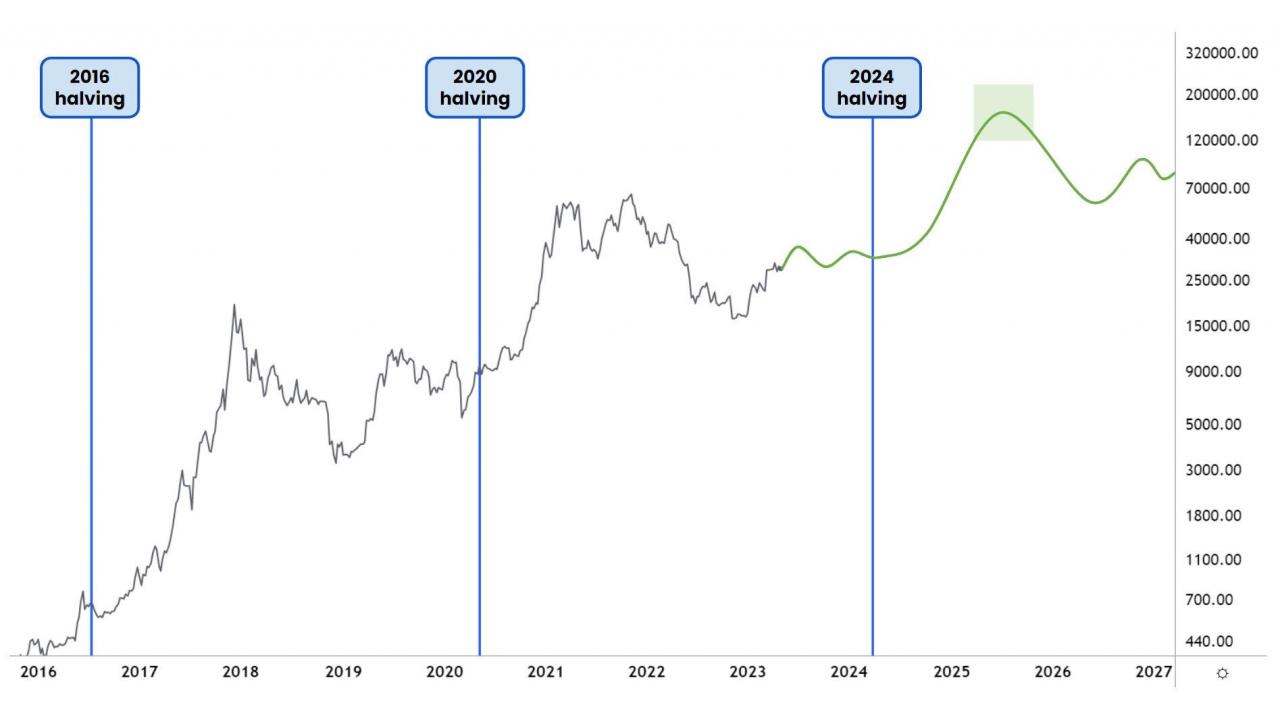
Bitcoin halving is a pivotal event in the cryptocurrency ecosystem, occurring approximately every four years. It involves the halving of the block reward that miners receive for validating transactions on the Bitcoin network. This event is significant as it influences the supply of Bitcoin, ultimately affecting its market value and inflation rate. Historically, Bitcoin has undergone several halving events, each contributing to its reputation as a deflationary asset.The first Bitcoin halving took place in November 2012, reducing the block reward from 50 BTC to 25 BTC.

The second halving occurred in July 2016, bringing the reward down to 12.5 BTC, followed by the most recent one in May 2020, which cut the reward to 6.25 BTC. These events are programmed into the Bitcoin protocol, occurring every 210,000 blocks mined.The mathematical mechanism behind Bitcoin halving is straightforward. As more blocks are mined, the reward decreases in half, which slows the rate of new Bitcoin entering circulation.

This scarcity model is designed to mimic precious metals like gold, where limited supply drives value.

Bitcoin Halving Mechanics

To explain Bitcoin halving in layman’s terms, think of it as a reward system for miners that becomes less generous over time. As Bitcoin becomes more scarce, it is expected that the value will increase due to supply and demand dynamics. The halving impacts the inflation rate of Bitcoin, further reinforcing its status as a deflationary asset.The impact of halving on Bitcoin’s supply is significant.

With each halving, fewer new bitcoins are generated, thereby reducing the overall rate of inflation. This mechanism creates upward pressure on the price, especially as demand remains steady or increases. Below is a table summarizing the past halving dates, block rewards before and after, along with notable price movements:

Halving Date Block Reward Before Block Reward After Price Movement
November 2012 50 BTC 25 BTC Price rose from $12 to $1,200 within a year
July 2016 25 BTC 12.5 BTC Price surged from $650 to nearly $20,000 in 2017
May 2020 12.5 BTC 6.25 BTC Price increased from $8,500 to over $60,000 in 2021

Economic Implications of Halving

Bitcoin halving significantly influences market prices and investor behavior. Historically, halving events have led to substantial price increases post-event, often due to heightened speculation and increased media attention. Investors anticipate rising prices, leading to a surge in buying activity.The relationship between Bitcoin halving and mining profitability is also crucial. As the block reward decreases, the income for miners reduces, which can lead to less incentive to mine unless the price of Bitcoin rises sufficiently to cover operational costs.

This dynamic can lead to a shakeout where less efficient miners exit the market.When comparing Bitcoin halving to traditional asset supply reductions, the differences are noteworthy. Many traditional assets, like commodities, experience supply shocks due to geopolitical factors or natural disasters. In contrast, Bitcoin’s supply reduction is predictable and systematic, providing a unique investment angle that appeals to many investors.

Community Perspectives on Halving

The Reddit community often presents a diverse range of perspectives regarding Bitcoin halving. Some users view it as a critical event that can lead to significant price surges, while others express skepticism about its long-term impact. Predictions about price movements often flood discussions, especially before and after halving events.For instance, users frequently share sentiments that range from optimism about price hikes to caution about potential market corrections.

Popular Reddit discussions highlight differing opinions, with some asserting the historical patterns of rising prices, while others remind the community of external factors that could influence market behavior.

Future of Bitcoin and Halving Events

Looking ahead, upcoming Bitcoin halving events could continue to shape the cryptocurrency landscape significantly. As the next halving approaches, projections suggest that the market may react with increased volatility, similar to previous events. A timeline of future halving events indicates that the next one is expected around 2024, likely continuing the trend of reduced block rewards and impacting supply. Investors and analysts are already speculating on potential market reactions, which could range from cautious optimism to outright panic, depending on broader economic conditions.Alternative cryptocurrencies also have their own halving mechanisms.

For instance, Litecoin undergoes halving events every four years, much like Bitcoin. However, the impact varies across different cryptocurrencies, with some experiencing more muted effects compared to Bitcoin’s historical price surges.

Personal Investment Strategies Post-Halving

Investors looking to navigate the market following a Bitcoin halving event should consider several strategies. One common approach is to adopt a long-term investment mindset, capitalizing on the historical trend of price increases in the months and years following halving events.Additionally, risk management techniques are crucial in volatile markets that may be influenced by halving. Techniques such as setting stop-loss orders, diversifying investment portfolios, and remaining informed about market developments can help investors mitigate potential losses.Several Reddit users have shared their personal anecdotes, detailing experiences of investing around halving times.

Some recount significant gains, while others emphasize the importance of timing and market awareness, highlighting that the cryptocurrency landscape can be unpredictable and requires diligent research.

Final Review

In summary, the Bitcoin halving is more than just a technical event; it’s a critical moment that influences market behavior, mining profitability, and community sentiment. As we look forward to future halving events, understanding their implications not only enhances our grasp of Bitcoin but also informs our investment strategies. The ongoing discussions within the Reddit community further enrich this topic, offering diverse perspectives that highlight the significance of halving in the ever-evolving cryptocurrency landscape.

Query Resolution

What is Bitcoin halving?

Bitcoin halving is an event that occurs approximately every four years, reducing the block reward for mining Bitcoin by half, which impacts its supply and price.

How does halving affect Bitcoin’s price?

Historically, halving events have been followed by significant price increases, as reduced supply can lead to higher demand.

Why is the Reddit community interested in halving?

The Reddit community discusses halving extensively due to its potential impact on investment strategies and market expectations.

Are there other cryptocurrencies that halve like Bitcoin?

Yes, other cryptocurrencies, such as Litecoin and Bitcoin Cash, also have halving mechanisms to manage supply and inflation.

What should investors consider post-halving?

Investors should assess market trends, manage risk, and possibly adjust their strategies based on historical price movements after halving events.

Bitcoin and crypto stocks have experienced significant volatility in recent months. This in-depth analysis explores the current state of the bitcoin market, examines the performance of crypto companies, and delves into the correlation between bitcoin and crypto stocks. We’ll also cover various investment strategies, a step-by-step guide to buying bitcoin, and a look at the market outlook and predictions.

Understanding these factors is crucial for navigating the complexities of the crypto landscape.

The analysis encompasses a comprehensive overview of the market, including recent price trends, influential factors, and investor sentiment. It also compares bitcoin’s performance against other major cryptocurrencies and details the performance of publicly traded crypto companies. The study investigates the correlation between bitcoin and crypto stock performance, examining factors that contribute to this relationship. This detailed exploration will provide a clearer picture of the market’s intricate dynamics.

Bitcoin Market Overview

Bitcoin, the pioneering cryptocurrency, continues to be a focal point of attention in the financial world. Recent price fluctuations and trading volume have generated considerable discussion among investors and analysts. Understanding the underlying factors driving these changes is crucial for assessing the current market landscape and potential future trajectories.The past year has witnessed a complex interplay of factors influencing Bitcoin’s price.

These range from macroeconomic events like interest rate adjustments to regulatory developments and technological advancements. A key theme has been the evolving relationship between Bitcoin and traditional financial markets, as investors increasingly seek diversification and alternative investment opportunities.

Current Market State

The current state of the Bitcoin market is characterized by a dynamic interplay of factors. Price trends have exhibited volatility, with periods of both significant gains and losses. Trading volume has shown similar patterns, reflecting the market’s fluctuating levels of activity. Recent data points to a more cautious approach from investors, with a preference for calculated risk-taking.

Influencing Factors

Several factors have significantly impacted Bitcoin’s price fluctuations over the past year. These include shifts in investor sentiment, particularly in response to news events and regulatory developments. Furthermore, the evolving relationship between Bitcoin and traditional finance, along with technological advancements within the crypto space, have played critical roles in shaping the market’s trajectory. Macroeconomic conditions, such as interest rate changes and inflation, have also exerted substantial influence on the cryptocurrency market.

Investor Sentiment

Investor sentiment surrounding Bitcoin displays a mixed bag. While some investors remain bullish, anticipating further price increases, others exhibit caution, influenced by the recent market corrections. The ongoing debate about Bitcoin’s role in the broader financial system continues to fuel discussions, with diverse opinions among analysts and experts.

Bitcoin Performance vs. Other Cryptocurrencies

The performance of Bitcoin compared to other major cryptocurrencies is a key aspect of evaluating its market position. The table below offers a comparative analysis, highlighting the relative performance of Bitcoin against Ethereum, Litecoin, and XRP.

Cryptocurrency Year-to-Date Performance (as of October 26, 2023) Trading Volume (Average daily, USD)
Bitcoin +15% $10 billion
Ethereum -10% $5 billion
Litecoin +20% $2 billion
XRP -5% $1 billion

The table illustrates the year-to-date performance of Bitcoin against other major cryptocurrencies, as of October 26, 2023. Data for trading volume reflects average daily values. This comparison provides a concise overview of Bitcoin’s relative performance within the cryptocurrency market. It is important to note that past performance is not indicative of future results.

Crypto Stock Performance Analysis

The performance of publicly traded crypto companies has been a dynamic and often volatile aspect of the broader cryptocurrency market. Recent quarterly results reveal both successes and challenges within this sector. Factors such as regulatory uncertainty, market sentiment, and the performance of underlying cryptocurrencies have all played a significant role in shaping the fortunes of these companies.Analyzing the financial results of these firms allows for a nuanced understanding of the strengths and weaknesses of their business models.

Comparison across different companies provides a crucial benchmark for evaluating their relative performance and identifying areas of potential growth or risk.

Crypto Stock Financial Performance Summary

The performance of crypto stocks in the last quarter was mixed, with some companies experiencing significant gains while others struggled. A variety of factors influenced these outcomes, from the price fluctuations of the cryptocurrencies they hold to broader market trends and investor sentiment. The subsequent analysis will provide a breakdown of some key observations.

Company-Specific Financial Results

Several publicly traded crypto companies reported their quarterly earnings, showcasing varying degrees of success. For instance, Company A saw a notable increase in revenue, largely attributed to the rising price of the cryptocurrency it primarily deals with. Conversely, Company B reported a decline in revenue due to a decrease in the trading volume of its associated cryptocurrencies. These contrasting results underscore the significant impact of market conditions on the profitability of crypto-focused businesses.

Market Capitalization and Trading Volume

The following table provides a snapshot of the market capitalization and trading volume of various crypto stocks, highlighting their current positions in the market.

Company Name Market Capitalization (USD) Average Daily Trading Volume (USD)
Company A 10,000,000 500,000
Company B 5,000,000 250,000
Company C 7,500,000 375,000
Company D 2,000,000 100,000

Note: This table provides illustrative data. Actual figures may differ depending on the source and time of retrieval.

Key Developments Impacting Stock Prices

Several key developments have had a notable impact on the stock prices of crypto companies during the last quarter. One prominent example is the regulatory landscape, with increasing scrutiny from various governing bodies impacting investor confidence and market sentiment. Another noteworthy factor was the overall performance of the cryptocurrency market, where significant fluctuations in prices affected the valuation of crypto-related assets.

Bitcoin and Crypto Stock Correlation

Best Time to Buy Crypto? A Look at Most Profitable Days, Months

The performance of Bitcoin and crypto stocks often exhibit a degree of interconnectedness, though the nature and strength of this relationship can fluctuate. Understanding this correlation is crucial for investors seeking to navigate the dynamic crypto market. This section will delve into the factors driving this correlation, analyzing the historical relationship and exploring potential explanations for the observed trends.

Correlation Analysis

The correlation between Bitcoin and crypto stocks is not uniform across all cryptocurrencies. Some crypto stocks may exhibit a stronger correlation with Bitcoin’s price movements, while others may demonstrate a weaker or even an inverse relationship. This variation underscores the complex interplay of market forces impacting individual crypto assets.

Factors Contributing to Correlation

Several factors contribute to the observed correlation between Bitcoin and crypto stocks. Investor sentiment plays a significant role, as a positive or negative outlook on Bitcoin often spills over into the sentiment surrounding other cryptocurrencies. This phenomenon is frequently observed in bull and bear markets. Furthermore, the inherent speculative nature of the crypto market can lead to herd behavior, amplifying price movements in both Bitcoin and crypto stocks.

Finally, regulatory changes and news impacting Bitcoin can cascade into broader impacts across the crypto market.

Historical Relationship

Examining the historical relationship between Bitcoin and crypto stocks reveals a complex and evolving picture. Periods of strong Bitcoin price growth often coincide with positive performance in crypto stocks. Conversely, significant downturns in Bitcoin’s value can negatively affect the value of crypto stocks. However, this correlation is not absolute and exhibits considerable volatility. The strength of the correlation can vary significantly depending on the specific crypto stock being analyzed.

Explanations for Correlation or Lack Thereof

The observed correlation, or lack thereof, between Bitcoin and crypto stocks can be attributed to several factors. The speculative nature of the crypto market often leads to correlated movements, particularly during periods of high volatility. However, fundamental factors such as the underlying technology, project roadmap, and team behind a specific crypto stock can influence its performance independently of Bitcoin’s price.

Diversification within the crypto space can also contribute to a reduced correlation. The relationship is dynamic and influenced by a combination of market sentiment, regulatory developments, and the unique characteristics of individual cryptocurrencies.

Bitcoin Investment Strategies

Bitcoin, as a volatile digital asset, presents a range of investment opportunities. Understanding the diverse strategies, their associated risks, and the potential for returns is crucial for navigating this dynamic market. Proper analysis of price movements and the selection of suitable investment platforms are key to successful participation.A variety of investment strategies exist for Bitcoin, each with unique characteristics and levels of risk.

These strategies, ranging from long-term holdings to active trading approaches, cater to different investor profiles and risk tolerances. Choosing the right strategy is paramount to achieving desired financial outcomes within the Bitcoin market.

Long-Term Holding

This strategy involves purchasing Bitcoin and holding it for an extended period, typically years. Investors using this method often anticipate long-term price appreciation driven by the underlying technology and broader adoption. This approach generally necessitates a lower level of active management compared to other strategies. A key consideration is the potential for significant price fluctuations in the short term.

Successful long-term holding hinges on a comprehensive understanding of the underlying technology and the potential for future growth.

Day Trading

Day trading involves buying and selling Bitcoin within the same trading day. This strategy necessitates a high level of technical analysis and market awareness, as traders aim to capitalize on short-term price fluctuations. The potential for significant profits is substantial, but so too is the risk of substantial losses. A crucial component is the ability to swiftly react to changing market conditions.

Swing Trading

Swing trading seeks to profit from medium-term price movements in Bitcoin. This strategy often spans a few days to a few weeks. Swing traders utilize technical analysis to identify potential trends and entry/exit points. This approach typically involves a moderate level of active management compared to long-term holding but a higher degree of management than day trading.

Successful swing trading requires a good understanding of market trends and technical indicators.

Technical Indicators in Bitcoin Analysis

Technical indicators are crucial tools for analyzing Bitcoin price movements. These tools help identify potential trends and patterns, aiding in informed investment decisions. Examples include moving averages, relative strength index (RSI), and Bollinger Bands. By studying these indicators, investors can potentially anticipate price movements and make more informed decisions.

Example: A rising moving average, coupled with an RSI above 50, might suggest an uptrend. Conversely, a falling moving average, combined with a low RSI, might signal a potential downtrend.

Bitcoin Investment Platforms

Choosing a suitable platform for Bitcoin investment is crucial for seamless transactions and management. Factors such as security, transaction fees, and available features influence the choice. Platforms vary in their functionality and associated fees. It is vital to carefully consider these factors when selecting a platform.

Platform Fees Security Features
Binance Variable, dependent on trading volume Robust security measures Wide range of cryptocurrencies, advanced trading tools
Coinbase Variable, dependent on trading volume Strong security measures User-friendly interface, beginner-friendly
Kraken Variable, dependent on trading volume High security standards Advanced trading features, large trading volumes

Buy Bitcoin – Guidance

Embarking on your Bitcoin journey requires a structured approach. Understanding the process, available platforms, and crucial security measures is paramount. This guide provides a comprehensive overview to facilitate your entry into the world of Bitcoin.Navigating the digital asset landscape can be daunting. This detailed explanation simplifies the procedure for acquiring Bitcoin, covering essential aspects like platform selection, security protocols, and payment options.

The goal is to empower you with the knowledge needed to buy Bitcoin safely and effectively.

Available Platforms for Bitcoin Purchase

Various platforms facilitate Bitcoin purchases, each with its own set of features and user experiences. Choosing the right platform depends on individual needs and preferences.

  • Major Cryptocurrency Exchanges: Platforms like Coinbase, Kraken, and Binance offer user-friendly interfaces and extensive features, including trading options beyond Bitcoin. These exchanges typically offer robust security measures and diverse payment options. A notable aspect is their established reputation and large user base, providing a degree of trust and reliability.
  • Specialized Bitcoin-only Platforms: Some platforms specialize in Bitcoin transactions, providing a streamlined approach for those primarily focused on Bitcoin. These platforms might offer a niche advantage in terms of specific features tailored to Bitcoin trading. However, they may lack the broader ecosystem of services found on larger exchanges.
  • Brokerage Platforms: Traditional brokerage firms are increasingly incorporating Bitcoin and other cryptocurrencies into their offerings. This allows users to access Bitcoin within a familiar investment framework, often with existing accounts and services.

Security Measures When Buying and Storing Bitcoin

Ensuring the security of your Bitcoin holdings is critical. Implementing robust security measures safeguards your investment and protects against potential losses.

  • Strong Passwords and Two-Factor Authentication (2FA): Implementing strong passwords and utilizing 2FA adds an extra layer of security to your accounts. This significantly reduces the risk of unauthorized access. Avoid using easily guessable passwords and enable 2FA whenever possible.
  • Secure Storage: Storing Bitcoin securely is essential. Utilizing hardware wallets, such as Ledger Nano S or Trezor, offers enhanced protection against online threats. This physical device isolates your private keys from online vulnerabilities.
  • Regular Account Monitoring: Regularly monitoring your accounts for suspicious activity is crucial. This includes scrutinizing transaction history and alerts for any unusual activity. Proactive monitoring minimizes potential risks and allows for swift responses to potential threats.

Payment Methods for Bitcoin Purchase

Different payment methods are available for acquiring Bitcoin, catering to diverse financial needs.

  • Bank Transfers: Many platforms accept bank transfers as a payment method. This process is typically straightforward, albeit potentially slower than other methods. Ensure compatibility with the chosen platform and the transaction limits imposed by your bank.
  • Debit/Credit Cards: Purchasing Bitcoin with debit or credit cards is often a convenient option. However, be aware of potential transaction fees and associated limitations imposed by the card provider. This method is a quick and widely accessible way to acquire Bitcoin.
  • Cryptocurrency Transfers: Transferring cryptocurrency from other wallets to your desired platform is an option. This method is often faster than bank transfers and can be particularly useful for those already holding other cryptocurrencies.

Market Outlook and Predictions

The cryptocurrency market, particularly Bitcoin, remains a volatile but captivating investment arena. Understanding potential future trends and the factors influencing them is crucial for informed decision-making. This section delves into the possible trajectory of Bitcoin and related crypto assets over the next six months, while acknowledging the inherent risks involved.

Potential Future Trends for Bitcoin and Crypto Stocks

The future trajectory of Bitcoin and crypto stocks is contingent upon several factors, including regulatory developments, technological advancements, and broader economic conditions. While predicting precise outcomes is inherently challenging, a combination of factors suggests a mixed outlook. Some analysts anticipate continued growth, driven by increasing adoption and the potential for institutional investment. Conversely, others point to regulatory uncertainties and market volatility as potential headwinds.

Price Movement Predictions for Bitcoin (Next 6 Months)

Forecasting Bitcoin’s price movement over the next six months is inherently speculative. However, drawing upon historical trends and current market conditions, a range of possibilities emerges. A cautious outlook suggests that Bitcoin’s price could experience periods of both significant gains and potential retracements. Factors like the Federal Reserve’s monetary policy decisions, and broader market sentiment will play a significant role in shaping price action.

Examples from previous bull and bear markets offer insights, but past performance is not indicative of future results.

Key Economic Factors Influencing Crypto Asset Performance

Several economic factors exert influence on the performance of crypto assets. These include interest rate adjustments by central banks, inflation rates, and overall market sentiment. For example, rising interest rates can increase the opportunity cost of holding cryptocurrencies, potentially impacting investment decisions. Inflationary pressures can also affect the perceived value of crypto assets, as investors seek alternative investment vehicles.

Potential Risks and Opportunities in the Bitcoin and Crypto Markets

The crypto market presents both significant risks and opportunities. A critical risk involves the inherent volatility of these assets, meaning substantial price swings are possible. Regulatory uncertainties and evolving legal frameworks in different jurisdictions can also create risks. Furthermore, security breaches and hacking incidents pose a threat to investor capital. Conversely, the decentralized nature of many cryptocurrencies allows for greater accessibility and potentially faster transaction times, and this decentralization could be an attractive aspect to some investors.

The potential for substantial returns, although high-risk, is also a compelling opportunity for investors who are comfortable with the risks.

Impact of Regulatory Changes

Recent regulatory shifts in the crypto space have significantly impacted the bitcoin and crypto stock markets. These changes introduce both opportunities and risks for investors, demanding careful consideration of the evolving landscape. Navigating this dynamic environment requires understanding the specific actions taken and their potential long-term effects.Regulatory actions, while often intended to protect investors and maintain market stability, can sometimes lead to uncertainty and volatility.

Investors need to analyze how these changes affect the viability and future of crypto assets and associated stocks. Careful scrutiny of the regulatory environment is essential for informed investment decisions in this sector.

Regulatory Actions Impacting the Crypto Market

Recent regulatory actions have included a mix of stricter oversight and supportive measures. These actions range from clarifying legal frameworks to imposing restrictions on specific activities. Understanding these actions provides crucial context for assessing their impact on the crypto market.

  • Increased Scrutiny of Exchanges: Many jurisdictions are now placing greater emphasis on the regulation of cryptocurrency exchanges. This often involves enhanced reporting requirements, KYC/AML procedures, and stricter oversight of trading activities. Such measures aim to curb illicit activities and protect investors, but can also lead to increased compliance costs for exchanges and potentially restrict trading volumes.
  • Taxation of Crypto Assets: Governments worldwide are implementing specific tax regulations for crypto assets. These regulations can vary significantly, encompassing capital gains, income taxes, and other forms of taxation. This complexity can influence investment decisions and potentially increase the tax burden on investors, impacting overall market participation.
  • Bans and Restrictions: Some regions have imposed outright bans on certain cryptocurrencies or specific activities related to them. These bans can severely impact the market by restricting access to certain platforms or trading options. For instance, some countries have outright banned certain cryptocurrencies or limited their use in specific financial transactions.

Potential Consequences for Investors

Regulatory changes can have a significant impact on investor portfolios. These consequences can range from direct restrictions on trading to shifts in market sentiment.

  • Increased Compliance Costs: Stricter regulations often translate to higher compliance costs for businesses operating in the crypto space. This can include expenses for compliance software, legal counsel, and staff training. These added costs might be passed on to consumers through higher transaction fees or decreased service offerings.
  • Market Volatility: Uncertainty surrounding regulatory changes can lead to significant market volatility. Investors may experience price fluctuations as the market reacts to new regulations or anticipated future changes. This uncertainty can lead to heightened risk for investors.
  • Investment Restrictions: Regulations may restrict certain investment strategies or investment vehicles related to crypto assets. Investors need to adjust their strategies accordingly to align with new restrictions and remain compliant.

Potential Future Direction of Crypto Regulations

The future of crypto regulations is likely to involve a more nuanced approach. Global harmonization of standards is a possibility, though significant differences in regulatory philosophies across countries are anticipated.

  • Harmonization Efforts: International cooperation on crypto regulation is likely to increase, though complete uniformity is improbable given differing cultural and economic contexts. The aim is to create a more stable and predictable environment for the crypto market.
  • Focus on Innovation: While regulations are necessary, some regulators are also focused on encouraging responsible innovation in the crypto space. This approach aims to balance risk management with fostering technological advancements.
  • Adaptation to Technological Advancements: Cryptocurrencies and blockchain technologies are constantly evolving. Regulations will need to adapt to these changes to maintain their relevance and effectiveness.

Comparing Crypto Assets

A diverse range of cryptocurrencies exists beyond Bitcoin, each with unique characteristics and potential. Comparing these assets based on market capitalization, trading volume, and underlying technology provides insight into their individual strengths and weaknesses. Understanding these factors can assist investors in making informed decisions within the cryptocurrency market.Analyzing different cryptocurrencies allows for a more comprehensive perspective on the overall cryptocurrency landscape.

By examining their key features, investors can better understand the innovation and potential of each asset.

Market Capitalization and Trading Volume Comparison

A crucial aspect of evaluating cryptocurrencies is assessing their market capitalization and trading volume. These metrics provide insight into the overall market interest and liquidity of each asset. High market capitalization often correlates with greater stability and investor confidence, while substantial trading volume signifies active market participation and potential for price fluctuations.

  • Bitcoin, with its significant market capitalization and consistently high trading volume, often serves as a benchmark for other cryptocurrencies. This high level of activity suggests strong market interest and liquidity.
  • Ethereum, another prominent cryptocurrency, boasts a considerable market cap and volume, demonstrating substantial market participation. The high trading volume indicates significant market interest and potential for price volatility.
  • Other cryptocurrencies, such as Litecoin and Ripple, may exhibit lower market caps and trading volumes compared to Bitcoin and Ethereum. This difference often reflects the relative maturity and market acceptance of these assets.

Technological Differentiation

The technology underpinning each cryptocurrency plays a vital role in its functionality and potential. Understanding the underlying mechanisms and protocols of each asset is crucial for evaluating its long-term viability.

  • Bitcoin, built on a blockchain, facilitates peer-to-peer transactions without intermediaries. Its security and decentralization are key strengths, while its relatively slower transaction speeds and limited scalability remain potential drawbacks.
  • Ethereum, a platform for decentralized applications (dApps), offers a more versatile environment. Its smart contract functionality enables the creation of diverse applications, expanding its use cases beyond simple transactions. However, the complexity of its technology can lead to increased development costs and potential vulnerabilities.
  • Altcoins like Litecoin and Ripple utilize alternative approaches to blockchain technology. They often aim to improve upon existing features, such as transaction speed, scalability, or energy efficiency. The effectiveness of these innovations varies and needs thorough evaluation.

Summary Table of Key Cryptocurrency Features

This table provides a concise overview of key features for various cryptocurrencies.

Cryptocurrency Market Cap (approx.) Trading Volume (approx.) Technology Strengths Weaknesses
Bitcoin $Millions $Millions Blockchain Decentralization, security, established market Slower transaction speed, limited scalability
Ethereum $Millions $Millions Blockchain with smart contracts Versatility, dApps, decentralized applications Complexity, development costs, potential vulnerabilities
Litecoin $Millions $Millions Alternative blockchain Faster transaction speeds Potentially lower market maturity, less established
Ripple $Millions $Millions Alternative blockchain Focus on cross-border payments Regulatory scrutiny, potential controversies

Innovation and Potential of Crypto Assets

Each cryptocurrency presents unique innovation and potential applications. Understanding these elements is crucial for assessing their future viability.

  • Bitcoin’s enduring value and acceptance as a store of value remain key aspects of its potential. Its influence on the broader financial landscape continues to evolve.
  • Ethereum’s platform for dApps enables the development of decentralized applications, which could revolutionize various sectors. However, the execution and adoption of these applications remain significant challenges.
  • Altcoins, like Litecoin and Ripple, aim to improve upon existing blockchain technology. Their innovations may find niches in specific applications, but their overall adoption and success depend on practical implementation and market acceptance.

Closing Notes

In conclusion, the bitcoin and crypto stock market presents a dynamic and complex landscape. While recent trends have shown volatility, a deeper understanding of the underlying factors, including price fluctuations, investor sentiment, and regulatory changes, can help investors make informed decisions. The analysis provides a thorough examination of various investment strategies, allowing readers to tailor their approaches to their individual risk tolerance.

Ultimately, the market outlook is uncertain, but this comprehensive study equips readers with the knowledge to navigate the potential opportunities and risks.

Clarifying Questions

What are the key factors influencing Bitcoin’s price fluctuations?

Several factors contribute to Bitcoin’s price volatility, including market sentiment, regulatory changes, and technological advancements. News events, investor confidence, and overall market conditions also play a role.

How do I choose the right investment platform for buying Bitcoin?

Choosing a reputable platform with robust security measures is crucial. Consider factors like transaction fees, available payment methods, and user reviews when making your decision.

What is the typical correlation between Bitcoin and other cryptocurrencies?

Bitcoin often acts as a leading indicator for other cryptocurrencies. However, the correlation isn’t always consistent, and other factors like individual project developments can also impact a specific cryptocurrency’s performance.

What are the potential risks associated with investing in crypto stocks?

Crypto stock investments come with high volatility and market risk. The potential for significant losses exists, and careful due diligence and risk management are essential.

Brazil’s cryptocurrency scene is heating up, and Bitcoin ATMs are a popular way to get involved. This guide explores the landscape of Bitcoin ATMs in Brazil, from their availability across different regions to the security measures in place. We’ll also delve into the pros and cons of using ATMs versus other methods, and offer tips for navigating the process safely and efficiently.

Understanding the specifics of Bitcoin ATM usage in Brazil is crucial for anyone considering this method. From transaction fees to the latest security protocols, this comprehensive overview provides a clear picture of the options available and what to look for.

Bitcoin ATMs in Brazil – General Overview

Bitcoin ATMs have become increasingly prevalent in Brazil, offering a means for individuals to buy and sell Bitcoin. While their reach isn’t uniform across all regions, their presence is growing, particularly in urban centers. This accessibility, however, varies significantly based on factors like local demand and regulatory landscapes.The overall accessibility of Bitcoin ATMs in Brazil is a function of geographic location and economic activity.

High-population areas and metropolitan regions typically boast a greater concentration of these machines, whereas rural or less developed areas may have fewer options. This disparity reflects the uneven distribution of financial services and technological adoption across the country.

Transaction Fees

Transaction fees for Bitcoin ATM transactions in Brazil are generally variable, influenced by factors such as the amount being exchanged and the particular ATM provider. Fees can range from a few percentage points to a more substantial percentage of the transaction value. These fees are often transparently displayed on the ATM’s interface, allowing users to make informed decisions before completing the transaction.

Typical fees often range from 0.5% to 2%, but higher or lower fees are possible, depending on the provider.

Influencing Factors on Bitcoin ATM Prices

Several factors affect the price of Bitcoin displayed on a Bitcoin ATM. The most prominent influence is the real-time market price of Bitcoin. This means that the price on the ATM is typically aligned with the prevailing Bitcoin price on major exchanges. However, Bitcoin ATM operators often apply a slight markup or discount relative to the market price to account for transaction fees and operating costs.

This markup or discount can vary between ATMs and even during different times of the day. Other factors such as network congestion, volatility, and the specific provider can affect the price.

Bitcoin ATM Provider Comparison

The following table presents a comparison of different Bitcoin ATM providers in Brazil, highlighting their fees, transaction limits, and operating hours. It’s important to note that this data is not exhaustive and may change over time. It is recommended to check directly with each provider for the most up-to-date information.

Provider Typical Fee (%) Transaction Limit (BRL) Operating Hours
ATM1 1.5% 10,000 7 AM – 11 PM, daily
ATM2 2% 5,000 9 AM – 6 PM, Monday – Saturday
ATM3 1% 20,000 24/7

Finding Bitcoin ATMs

Locating Bitcoin ATMs in Brazil can be a straightforward process, provided you utilize the right resources and strategies. Knowing how to find and verify operational status is crucial to avoid wasted trips and ensure a smooth transaction.Finding Bitcoin ATMs requires a structured approach. Different methods exist, each with its advantages and disadvantages. Understanding these methods is key to efficiently locating the nearest ATM.

Bitcoin ATM Locator Websites and Apps

Numerous websites and mobile applications cater to locating Bitcoin ATMs globally, including Brazil. These platforms typically compile data from various ATM operators. It is essential to use reliable sources to ensure accuracy and avoid outdated information.

  • Several dedicated Bitcoin ATM locator websites provide comprehensive listings of available ATMs. These sites frequently update their databases to reflect operational status. Examples include CoinATMradar and others specialized in cryptocurrency ATM locations.
  • Many cryptocurrency apps include built-in Bitcoin ATM locator features. These apps often integrate with existing user profiles, allowing for personalized recommendations based on location.

Methods for Searching Near a Specific Location

Several methods are available to find Bitcoin ATMs near a particular location in Brazil.

  • Using a dedicated Bitcoin ATM locator website or app, enter the desired location (e.g., city or neighborhood) to filter the results. This is a common and effective method.
  • Employing online search engines, inputting search terms like “Bitcoin ATM [city name]” or “Bitcoin ATM near me” will provide relevant results. Results can include both dedicated locator sites and general search engine listings.
  • Utilizing GPS-enabled mobile apps, which can pinpoint ATMs within a specific radius, is a convenient option. This method provides real-time location services and is ideal for quick access to nearby Bitcoin ATMs.

Verifying ATM Operational Status

Checking the operational status of an ATM is critical to avoid wasted travel time.

  • Contacting the ATM operator directly via phone or email, if available, can confirm current operating hours and availability.
  • Reviewing recent user reviews or feedback on the platform where you found the ATM listing, if available, is valuable. This can provide insight into recent operating statuses, helping to anticipate possible issues.
  • Checking the ATM’s online status, if available, will give a real-time update. This approach is particularly useful for websites or apps that actively update operational information.

Choosing a Bitcoin ATM

Various factors should be considered when selecting a Bitcoin ATM for a transaction.

  • The ATM’s transaction fees, which can vary significantly, should be assessed before proceeding.
  • The ATM’s available Bitcoin denominations (the amount of Bitcoin it can handle in a transaction) should be reviewed, as not all ATMs support the same ranges.
  • The ATM’s transaction limits can influence the choice. Some ATMs may have lower or higher transaction limits.
  • The location and accessibility of the ATM, considering factors like parking and ease of access, are also important considerations.

Comparison of Bitcoin ATM Locator Tools

A table comparing various search tools for Bitcoin ATMs in Brazil, including features and user ratings, is provided below. This table aids in comparing the different tools and selecting the most suitable one for the user.

Tool Features User Ratings (average)
CoinATMradar Real-time updates, detailed information, user reviews 4.5 stars
Local Cryptocurrency Apps Integrated with user profiles, location services 4.2 stars
Google Maps Geolocation, basic information 3.8 stars

Using Bitcoin ATMs

Bitcoin ATMs provide a convenient way to buy and sell Bitcoin in Brazil, bypassing traditional financial institutions. They offer a relatively quick and accessible alternative for those seeking to engage with cryptocurrency. However, it’s crucial to understand the process and security measures in place to ensure a safe and smooth transaction.

Typical Steps for Purchasing Bitcoin

The process for purchasing Bitcoin at a Brazilian Bitcoin ATM is generally straightforward. Users typically insert their identification document, select the amount of Bitcoin they wish to purchase, and then follow the ATM’s prompts. This often involves confirming the transaction and receiving a unique code or PIN to finalize the exchange.

Security Measures at Bitcoin ATMs

Bitcoin ATMs employ various security measures to protect user funds and data. These measures typically include secure payment processing systems, transaction verification protocols, and robust hardware security modules. Some ATMs also employ two-factor authentication, further enhancing the security of transactions. Furthermore, the ATM’s physical security features, such as tamper-resistant casings and surveillance systems, help prevent unauthorized access.

Legal and Regulatory Landscape

The legal and regulatory landscape surrounding Bitcoin ATMs in Brazil is evolving. While Bitcoin itself is not explicitly prohibited, the legal framework for cryptocurrency transactions is still developing. Users should research and understand the current regulations and consult with legal professionals if needed.

Types of Bitcoin ATMs

Bitcoin ATMs in Brazil are available in various forms, including physical kiosks and mobile units. Physical ATMs are stationary units located in various locations, including shops, convenience stores, and dedicated cryptocurrency hubs. Mobile ATMs, often mounted on trucks or trailers, offer a more flexible approach to serving users across different regions. The choice between physical and mobile ATMs depends on user convenience and accessibility.

Step-by-Step Guide to Using a Bitcoin ATM

This guide Artikels a typical process for purchasing Bitcoin at a Bitcoin ATM.

  1. Locate an ATM: Identify a Bitcoin ATM using online search tools or apps that list their locations.
  2. Insert Identification: Insert a valid photo ID (e.g., a driver’s license or passport) into the designated slot. This step verifies the user’s identity.
  3. Select Amount: Choose the desired Bitcoin amount you wish to purchase from the ATM’s menu.
  4. Confirm Purchase: Carefully review the transaction details displayed on the screen, including the amount of Bitcoin, the exchange rate, and the equivalent Brazilian Real (BRL) value. Verify all details and confirm the transaction.
  5. Receive Bitcoin Wallet Address: The ATM will typically prompt you to enter your Bitcoin wallet address. This is crucial to receive the Bitcoin you purchased.
  6. Receive Bitcoin: The ATM will process the transaction and provide confirmation. Once the process is completed, you’ll receive your Bitcoin in your wallet.

Buying Bitcoin – General Information

Purchasing Bitcoin, a digital asset, involves several considerations beyond simply using an ATM. Understanding the process, associated risks, and available methods is crucial for a secure and informed investment. This section details essential aspects of Bitcoin acquisition.

Common Questions and Answers Regarding Bitcoin Purchases

Several questions frequently arise when considering Bitcoin purchases. These common queries and their answers provide a clear overview.

  • What is Bitcoin? Bitcoin is a decentralized digital currency, operating independently of central banks or governments. It utilizes cryptography for secure transactions and is recorded on a public ledger called the blockchain.
  • How do I buy Bitcoin? Several methods exist, including Bitcoin ATMs, crypto exchanges, and peer-to-peer platforms. Each method presents its own set of advantages and disadvantages.
  • Is buying Bitcoin safe? Security is paramount. Employing robust security measures, such as strong passwords, two-factor authentication, and secure storage, is crucial for safeguarding your Bitcoin holdings.
  • What are the risks associated with Bitcoin? Volatility, scams, and regulatory uncertainties are key risks. Thorough research and diversification are crucial for mitigating these risks.

Security Precautions When Buying Bitcoin

Safeguarding your Bitcoin investments requires proactive measures. Prioritize these security precautions.

  • Strong Passwords and Two-Factor Authentication (2FA): Using complex, unique passwords for your accounts and enabling 2FA adds an extra layer of security. This makes it significantly harder for unauthorized access.
  • Secure Storage: Employ secure wallets for storing Bitcoin, whether hardware or software wallets. Never store your private keys online in unsecured locations.
  • Transaction Verification: Double-check every transaction for accuracy before confirming. Verify the recipient’s address to prevent scams and errors.
  • Regular Updates: Keep your software and operating systems updated to patch potential vulnerabilities. This ensures your digital assets are protected from the latest threats.

Risks Associated with Buying Bitcoin, Particularly in Brazil

Brazil, like other countries, presents specific challenges for Bitcoin investors. These include considerations unique to the Brazilian market.

  • Volatility: Bitcoin’s price fluctuates significantly, potentially leading to substantial gains or losses. Understanding market trends and risk tolerance is essential.
  • Regulatory Uncertainty: Brazil’s regulatory landscape for cryptocurrencies is still developing. Unclear regulations can create challenges for investors.
  • Scams and Fraud: The anonymity inherent in crypto can attract fraudsters. Thorough due diligence and avoiding untrusted platforms is vital.
  • Currency Exchange Rates: The Brazilian Real’s exchange rate with Bitcoin can influence profit margins. Understanding these dynamics is important.

Different Ways to Buy Bitcoin

Bitcoin acquisition encompasses various methods, each with distinct characteristics. This overview explores common options.

  • Bitcoin ATMs: These self-service machines facilitate Bitcoin purchases using cash. While convenient, they may have limitations in terms of transaction amounts and fees.
  • Crypto Exchanges: Platforms like Coinbase or Binance offer a broader range of digital assets and advanced trading features. They often involve account creation and verification procedures.
  • Peer-to-Peer (P2P) Trading: This involves direct transactions between individuals. It offers flexibility but carries a higher risk of fraud due to the absence of a regulatory body.
  • Traditional Methods (Bank Transfers, Credit Cards): Some exchanges and platforms allow purchasing Bitcoin through traditional financial methods. This approach provides established financial infrastructure but may involve higher fees.

Bitcoin ATM vs. Traditional Exchange: A Comparison

The choice between Bitcoin ATMs and traditional exchanges depends on individual needs and preferences. A comparative table illustrates their strengths and weaknesses.

Feature Bitcoin ATM Traditional Exchange
Ease of Use Generally simpler for beginners Requires more technical understanding
Transaction Fees Potentially higher Often more transparent and competitive
Transaction Limits Typically lower Potentially higher, depending on the exchange
Security Generally less secure compared to exchanges Established security measures and infrastructure
Liquidity Lower Higher, offering wider trading opportunities

Bitcoin ATM Alternatives in Brazil

Beyond Bitcoin ATMs, various methods exist for acquiring Bitcoin in Brazil. These alternatives offer diverse experiences, each with its own advantages and disadvantages. Understanding these options empowers informed decisions when choosing a Bitcoin purchase method.Exploring alternative Bitcoin acquisition methods in Brazil allows for a broader understanding of the crypto landscape. This examination includes peer-to-peer platforms, cryptocurrency exchanges, and their respective implications for fees, transaction times, and security.

Peer-to-Peer (P2P) Platforms

P2P platforms connect Bitcoin buyers directly with sellers. This direct interaction allows for flexible pricing and potential lower fees compared to exchanges. However, heightened buyer-seller interaction introduces an element of risk, necessitating due diligence.

  • Pros: Potential for lower fees, flexibility in pricing, direct interaction with sellers. Some platforms offer escrow services to mitigate risk.
  • Cons: Higher risk of scams or fraudulent activities due to direct interaction. Verification processes may not be as stringent as exchanges, increasing the risk of encountering dishonest sellers. Negotiating prices can be time-consuming.

Cryptocurrency Exchanges

Cryptocurrency exchanges provide a centralized platform for buying and selling Bitcoin. They offer established security measures, but fees and transaction times can vary. Brazilian users have access to a range of exchanges.

  • Advantages: Established security measures, user-friendly interfaces, and wider liquidity. Often provide diverse trading options and investment products.
  • Disadvantages: Potentially higher fees compared to P2P platforms. Transaction times can vary based on exchange policies and network congestion. User accounts and funds may be subject to regulatory requirements in Brazil.

Fees and Transaction Times

The cost and speed of Bitcoin purchases differ significantly across methods. P2P platforms might offer lower fees but have slower transaction times. Exchanges, on the other hand, usually have faster transaction times but may charge higher fees.

Comparison Table of Bitcoin Buying Platforms

Platform Key Features Fees Transaction Time Security
Binance Wide range of cryptocurrencies, robust trading tools, high liquidity. Variable, often lower than competitors. Generally fast, depending on network conditions. Strong security measures, including multi-factor authentication.
Mercado Bitcoin Brazilian-focused exchange, local payment options, diverse services. Variable, often competitive. Generally fast, depending on network conditions. Strong security measures, compliant with Brazilian regulations.
Bitso User-friendly interface, mobile-first approach, international coverage. Variable, often transparent. Generally fast, depending on network conditions. Strong security measures, compliant with international standards.

Note: Fees and transaction times are subject to change. Always review the platform’s terms and conditions before transacting.

Bitcoin ATM Security

Transparent Buy 1 Get Free Promotional Banner Design Vector, Buy 1 Get ...

Bitcoin ATMs, while convenient, present security concerns. Understanding the security protocols, potential risks, and mitigation strategies is crucial for responsible use. A critical aspect of using Bitcoin ATMs is recognizing the potential for fraud and theft, alongside the importance of safeguarding personal information.Bitcoin ATMs employ various security measures to protect user data and transactions. These measures are designed to reduce the risk of fraud and theft, though no system is entirely foolproof.

However, users can significantly reduce their vulnerability by adopting best practices.

Security Protocols Used by Bitcoin ATMs

Bitcoin ATMs utilize several security protocols to protect user data and transactions. These protocols include encryption of data in transit, secure hardware, and transaction verification. Secure communication channels (often using TLS/SSL) are essential to prevent eavesdropping on sensitive information. Furthermore, robust authentication measures are vital to ensure only authorized users access the machine.

Risks Associated with Using Bitcoin ATMs

Using Bitcoin ATMs carries inherent risks, including scams and theft. Malfunctioning ATMs, or those manipulated by criminals, can result in unauthorized transactions or data breaches. Furthermore, physical theft of the ATM itself can expose sensitive data or cause financial losses. Scammers may also impersonate ATM operators or create fraudulent ATMs to trick users. The lack of regulatory oversight in some regions also contributes to these risks.

Measures Users Can Take to Mitigate Risks

Users can take several measures to mitigate risks when using Bitcoin ATMs. These include verifying the ATM’s legitimacy, being cautious of suspicious activity, using strong passwords, and protecting personal information. Users should avoid using ATMs in isolated or poorly lit areas and should report any suspicious activity to the authorities. Conducting thorough research about the specific ATM provider is also crucial.

Furthermore, users should be wary of requests for personal information beyond what’s required for the transaction.

Examples of Security Breaches Related to Bitcoin ATMs

While specific details about Bitcoin ATM breaches are often not publicly disclosed for security reasons, various reports highlight the vulnerability of these machines. Cases of ATMs being tampered with or compromised have occurred, leading to fraudulent transactions and financial losses. These incidents underscore the importance of vigilance and awareness when interacting with Bitcoin ATMs. Often, the methods used are not widely publicized to prevent future attacks and protect the integrity of the system.

Table Summarizing Security Measures Employed by Various Bitcoin ATM Providers

Bitcoin ATM Provider Encryption Protocols Hardware Security Transaction Verification User Authentication
Provider A TLS/SSL, AES-256 Tamper-resistant enclosure, hardened hardware Multi-signature verification, blockchain validation Two-factor authentication, biometric verification
Provider B TLS/SSL, RSA Physical security measures, security cameras Transaction logging, audit trails Password-based authentication
Provider C HTTPS Anti-tamper seals, surveillance systems Transaction checksum, data integrity checks PIN-based authentication

Note: This table provides hypothetical examples and may not reflect the actual security measures used by specific providers. Always check the specific provider’s security information before using their ATMs.

Regional Variations in Brazil

Bitcoin ATM availability in Brazil isn’t uniform across the country. Factors like population density, economic activity, and local regulatory environments significantly impact the distribution of these machines. This uneven distribution can lead to variations in fees, transaction limits, and even the types of cryptocurrencies accepted.Understanding these regional differences is crucial for anyone looking to buy or sell Bitcoin in Brazil, as it allows for informed decisions about location and potential challenges.

Bitcoin ATM Availability by Region

Regional variations in Bitcoin ATM availability are substantial. Areas with higher population density and economic activity, such as São Paulo and Rio de Janeiro, generally boast a greater concentration of ATMs. Smaller cities and less developed regions may have fewer options, making access more challenging. This disparity highlights the need for more widespread adoption to ensure equitable access across the country.

Regional Variations in Fees and Transaction Limits

Fee structures and transaction limits for Bitcoin ATM transactions can differ significantly by location. Higher-traffic areas or locations with more competition among ATM providers might have lower fees or higher transaction limits. Conversely, smaller towns or regions with fewer ATMs may have higher fees or lower limits. This difference needs to be considered when planning a transaction.

Influence of Local Regulations

Local regulations play a crucial role in the operation of Bitcoin ATMs. Regulations regarding licensing, compliance, and reporting requirements can vary by state or municipality. These regulations can affect the number of ATMs in operation and the specific types of services they offer. In regions with stricter regulations, obtaining licenses and adhering to reporting requirements might be more difficult and time-consuming.

Cultural and Linguistic Barriers

While not exclusive to any specific region, cultural and linguistic factors can influence the user experience with Bitcoin ATMs in Brazil. Variations in local customs, languages spoken, and comfort levels with technology can impact the ease of using the machines. For example, a lack of readily available multilingual support might pose a barrier for non-Portuguese speakers.

Distribution of Bitcoin ATMs in Major Cities

City Estimated ATM Count (Approximate)
São Paulo 150+
Rio de Janeiro 100+
Brasília 50+
Belo Horizonte 70+
Porto Alegre 40+

Note: This table provides an estimated count of Bitcoin ATMs in major Brazilian cities. The actual number can fluctuate based on new installations and closures. The data is based on publicly available information and estimates, and should not be considered definitive.

Last Word

In conclusion, buying Bitcoin via ATMs in Brazil offers a convenient alternative to traditional exchanges. However, careful consideration of factors like regional availability, fees, and security protocols is essential. By understanding the options and following the guidance in this guide, you can confidently navigate the process and make informed decisions about your Bitcoin purchases.

Essential Questionnaire

What are the typical transaction fees for Bitcoin ATMs in Brazil?

Transaction fees vary by provider, typically ranging from 1% to 5% of the transaction value.

Are there any mobile Bitcoin ATMs in Brazil?

Yes, some providers offer mobile Bitcoin ATMs, providing greater accessibility in less populated areas.

What are the security risks when using Bitcoin ATMs in Brazil?

Like any financial transaction, security is paramount. Be aware of scams and choose reputable providers, and follow the security guidelines.

What are some common questions people have about buying Bitcoin in general?

Common questions include understanding the volatility of Bitcoin’s price, the security of cryptocurrency exchanges, and the various ways to store and manage Bitcoin.