April 18, 2026

marketing

Branding iron images are not just mere symbols; they represent a rich tapestry of history, culture, and marketing prowess. These images, crafted from branding irons, have left a lasting imprint across various industries, showcasing their significance in establishing brand identity and recognition. As we dive deeper into the world of branding iron images, we’ll explore their fascinating history, the various types used, and the artistry behind creating visually appealing designs.

From the evolution of branding techniques to the contemporary trends that shape today’s marketing strategies, branding iron images serve as a powerful tool for communication and expression. This exploration will reveal how these images contribute to a brand’s essence while also highlighting their cultural significance around the globe.

Branding Iron Overview

Branding irons have played a significant role throughout history, serving as both a mark of ownership and a tool for identification across various industries. Their unique designs and applications have evolved, reflecting the changing needs of society and commerce.Historically, branding irons date back to ancient civilizations where they were primarily used to mark livestock. This practice ensured that animals could be identified and claimed by their owners, which was essential for agricultural societies.

Over time, the use of branding irons expanded into different fields, such as the production of goods, crafts, and even the culinary arts. Today, branding irons are utilized in diverse industries, showcasing their versatility and enduring significance.

Types of Branding Irons

Branding irons can be categorized into various types based on their design and intended use. Understanding these categories helps appreciate their application across different industries.

  • Hot Branding Irons: These are traditionally used in livestock marking, where the end of the iron is heated and then pressed onto the animal’s skin, leaving a permanent mark.
  • Cold Branding Irons: This method involves using very cold temperatures to create a branding effect, often causing less damage to the animal’s skin, making it a preferred choice in some farming practices.
  • Electric Branding Irons: These modern tools use electricity to heat the branding surface. They offer more control and quicker heating, making them suitable for various applications, including leather and wood.
  • Custom Branding Irons: Businesses often create unique designs tailored to their branding needs. These can range from logos and monograms to intricate artwork, used extensively in promotional products and artisan crafts.

Branding Iron Images and Their Uses

Branding iron images refer to the visual representation or impression left by a branding iron when it is pressed onto a surface. These images serve as a symbol of authenticity and ownership, often enhancing the aesthetic appeal of products.Branding iron images find many applications across industries, including:

  • Craftsmanship: Artisans use branding iron images to mark their handmade goods, such as leather bags, furniture, and metalwork, providing a signature touch that signifies quality and originality.
  • Food Industry: Restaurants and food producers often use branding irons to imprint their logos onto meat, buns, or other food items, making their offerings visually distinctive and memorable.
  • Promotional Items: Companies utilize branding iron images on promotional materials to create unique items that reinforce brand identity, like coasters, keychains, and custom packaging.
  • Historical Preservation: In some cases, branding iron images are used in restoration projects to maintain the authenticity of historical artifacts, preserving the craftsmanship of earlier eras.

“Branding irons not only mark ownership but also elevate the essence of craftsmanship and branding in various industries.”

Visual Aesthetics of Branding Iron Images

Branding iron images are not just tools for marking; they embody a visual identity that speaks volumes about a brand’s character and values. The appeal of these images lies in their ability to create an immediate connection with the audience, often evoking emotions and sparking interest. The interplay of color, design, and symbolism in branding iron imagery plays a crucial role in establishing a brand’s presence and memorability.The visual aesthetics of branding iron images are influenced by various elements that can enhance their appeal and effectiveness in communicating a brand’s message.

These elements include simplicity, contrast, and unique design. A well-crafted branding iron image can convey a powerful message at a glance, often utilizing minimalistic design principles to maintain clarity and avoid clutter. The choice of colors can also significantly impact the perception of the brand, with certain hues evoking specific emotions and associations.

Color Schemes in Branding Iron Designs

Color schemes are integral to the visual appeal of branding iron designs, as they not only attract attention but also reinforce brand identity. The colors chosen for a branding iron image can evoke different feelings and associations, which can enhance the overall effectiveness of the branding.The following are common color schemes utilized in branding iron designs:

  • Monochromatic Schemes: Utilizing different shades of a single color can create a cohesive look that is both elegant and impactful. This approach often works well for brands that want to convey sophistication and simplicity.
  • Complementary Colors: Colors opposite each other on the color wheel can create vibrant contrasts that grab attention. This scheme is effective in making elements stand out, ensuring the branding iron image is memorable.
  • Analogous Colors: Using colors that are next to each other on the color wheel can establish harmony in the image. This approach is often used in naturalistic branding, evoking feelings of calm and stability.
  • Earth Tones: Colors inspired by nature, such as browns, greens, and muted oranges, can create a rustic and organic feel. This is particularly popular among brands that focus on sustainability and natural products.

Successful branding iron images often combine these color schemes with relevant imagery and typography to create a striking visual identity. For example, brands like

  • L.L. Bean* utilize earthy tones in their branding iron images to reflect their outdoor heritage, while
  • Nike* employs bold, contrasting colors to convey energy and dynamism. Additionally, brands such as
  • Harley-Davidson* use a mix of black and orange, which not only stands out but also evokes a sense of adventure and freedom.

Effective branding iron images utilize color strategically to evoke emotions and convey brand values.

Techniques for Creating Branding Iron Images

Creating a branding iron image involves a blend of creativity and technical skill. A well-designed branding iron can effectively symbolize a brand’s identity and values, making it a crucial aspect of branding strategy. This section Artikels the process, step-by-step techniques, and the tools and materials used in the craft of branding iron images.

Designing a Branding Iron Image

The design phase is pivotal in producing a branding iron image that resonates with the brand’s essence. Initial concepts are often sketched out to visualize the final output. The design must balance clarity, simplicity, and visual impact. Key considerations include the brand’s logo, text, symbols, and overall aesthetic.Follow these steps for effective design:

  1. Research & Inspiration: Gather ideas from existing branding iron styles, logos, and symbols that align with the brand’s identity.
  2. Sketch Concepts: Draw multiple rough sketches to explore various design directions and perspectives.
  3. Digital Rendering: Use graphic design software such as Adobe Illustrator to create a digital version of the selected sketch, ensuring precision and scalability.
  4. Feedback & Revision: Share the design with stakeholders for feedback and make necessary adjustments to enhance the overall impact.
  5. Final Approval: Obtain final confirmation on the design, ensuring all elements align with brand guidelines.

Production Materials and Tools

The production of branding iron images requires specific materials and tools to create a durable and effective product. The choice of material can affect the design’s intricacy and the branding iron’s longevity.Important materials include:

  • Metal: Popular choices include brass, stainless steel, and iron, known for their durability and heat retention properties.
  • Wood or Plastic Handles: These materials provide insulation and comfort during use, ensuring easy handling of hot branding irons.
  • Thermal Transfer Paper: Used for transferring designs onto the metal surface before the final engraving process.

Essential tools are:

  • Engraving Tools: Tools such as CNC machines or laser engravers are used to carve the design into the metal.
  • Heat Sources: Propane torches or electric branding units are commonly used to heat the branding iron before application.
  • Measuring Instruments: Calipers and rulers ensure precise dimensions and alignment during the manufacturing process.

“The quality of your branding iron will directly influence the impression your brand leaves.”

Importance of Branding Iron Images in Marketing

Branding iron images play a significant role in shaping a brand’s identity and elevating its presence in a competitive marketplace. By providing a visual representation of a brand, these images help communicate core values, establish recognition, and foster an emotional connection with consumers. The impact of branding iron images extends beyond mere aesthetics; they are strategic tools that can enhance customer loyalty and drive sales.Branding iron images contribute to a brand’s identity by creating a consistent visual language that resonates with target audiences.

This visual consistency not only reinforces brand recognition but also differentiates a brand from its competitors. When consumers encounter familiar branding iron images, it instills a sense of trust and familiarity. The use of these images effectively conveys a brand’s message and values, ensuring they remain top-of-mind during purchasing decisions.

Comparison of Branding Iron Images to Other Branding Methods

To appreciate the effectiveness of branding iron images, it’s essential to contrast them with other branding techniques such as logos, color schemes, and typography. While logos are a crucial element of brand identity, branding iron images offer a more tangible and emotional representation, often associated with craftsmanship and quality.Branding iron images often evoke a sense of authenticity and heritage, which can be more impactful than traditional branding methods.

For instance, a handcrafted product with a branding iron image suggests a story behind its creation, appealing to consumers’ desire for unique and meaningful purchases. In contrast, generic logos may fail to convey the same depth of connection.The following points illustrate why branding iron images can be more effective in certain contexts:

  • They create a stronger emotional connection with consumers by emphasizing craftsmanship.
  • These images can represent a brand’s heritage and values, fostering loyalty.
  • They provide a unique aesthetic that stands out in a crowded market.
  • Branding iron images can enhance product presentation, making items feel more premium.

Case Studies of Brands Utilizing Branding Iron Images

Many brands have successfully leveraged branding iron images in their marketing strategies to strengthen their identity and connect with consumers. One notable example is the craft beer industry, where many breweries use branding iron images on their bottles and merchandise. The branding iron not only signifies the origin of the product but also highlights the artisan nature of the brewing process.Another example is the outdoor apparel brand, Patagonia, which employs branding iron images on its products to echo themes of sustainability and craftsmanship.

The visual representation through branding iron images reinforces their commitment to responsible manufacturing practices and attracts environmentally conscious consumers.In the artisanal food sector, brands like Ben & Jerry’s have utilized branding iron images to signify the homemade quality of their ice cream. This visual cue communicates authenticity and reliability, appealing to consumers seeking genuine, high-quality products.Overall, branding iron images serve as powerful instruments in marketing, creating distinctive identities that resonate deeply with audiences and promote brand loyalty in a visually driven marketplace.

Current Trends in Branding Iron Images

In the ever-evolving landscape of marketing, branding iron images have adapted to reflect contemporary aesthetics and technological advancements. These images serve not just as logos or identifiers but as integral components of a brand’s narrative. Today, they embody a mixture of tradition and modernity, resonating with audiences on deeper emotional levels. Technology has significantly impacted the design and production of branding iron images, leading to innovative concepts that often transcend conventional boundaries.

With the rise of digital tools, brands are creating more intricate and visually stunning images than ever before. This shift not only enhances creativity but also allows for greater customization and flexibility in branding strategies.

Emerging Trends in Branding Iron Images

Several noteworthy trends are emerging in the landscape of branding iron images, reflecting both consumer preferences and technological advancements. These trends illustrate how brands are evolving to remain relevant and impactful.

  • Minimalism: Many brands are gravitating towards simplified designs that emphasize clarity and efficiency. This trend focuses on clean lines, ample white space, and bold typography that convey messages directly without unnecessary embellishments. A prime example is the rebranding of tech companies, which often feature sleek and straightforward branding iron images that are instantly recognizable.
  • Dynamic Branding: With the advent of digital media, branding iron images are no longer static. Brands are now utilizing dynamic visuals that can change based on audience interactions or contexts. This trend allows for a more engaging user experience. For instance, certain food brands now feature branding iron images that adapt in color and shape when viewed on mobile devices, enhancing consumer engagement.

  • Authenticity and Craftsmanship: There’s a growing demand for branding iron images that reflect genuine craftsmanship and authenticity. Consumers are drawn to brands that convey a story of tradition and quality. Artisan brands, in particular, are adopting vintage-inspired designs that evoke a sense of nostalgia while being modernized for contemporary appeal.
  • Interactive Elements: Advances in technology have paved the way for interactive branding iron images. Brands now incorporate augmented reality (AR) elements that allow customers to engage with their logos and branding in innovative ways. For example, some beverage brands have implemented AR features where customers can scan the branding iron images with their smartphones to unlock promotional content or interactive experiences.

Technological Influences on Branding Iron Images

Technology is a driving force behind the transformation of branding iron images, impacting both creation and presentation. The integration of design software and digital tools has revolutionized how branding images are conceptualized and produced.

  • Vector Graphics Software: Tools like Adobe Illustrator enable designers to create versatile and scalable branding images. These images maintain quality across various platforms and sizes, ensuring consistency in branding.
  • 3D Design and Animation: Brands are increasingly incorporating 3D elements into their branding iron images. This trend enhances visual appeal and allows for more imaginative and immersive representations. For instance, tech companies showcase their logos in 3D formats during promotional videos, adding depth and engagement.
  • Artificial Intelligence: AI-driven design tools are transforming how branding images are created. These tools analyze consumer preferences and trends, offering designers insights that shape branding strategies. For example, AI can suggest color palettes or design variations that resonate with target demographics, streamlining the creative process.

Innovative Branding Iron Image Concepts

Contemporary brands are pushing the boundaries with innovative branding iron image concepts that capture attention and foster brand loyalty. These concepts often blend creativity with functionality, creating memorable visual identities.

  • Geometric Patterns: Brands are adopting geometric shapes and patterns in their branding iron images to create a modern and striking aesthetic. This approach not only appeals to minimalist tastes but also adds a layer of sophistication. Fashion labels often use geometric patterns in their logos to evoke a sense of contemporary style.
  • Nature-Inspired Designs: Many brands are embracing eco-consciousness through branding iron images that reflect natural elements. This can include earthy colors, organic shapes, and motifs that evoke a connection to the environment. Outdoor brands frequently adopt this approach, using imagery that resonates with their adventurous ethos.
  • Typography as Art: Typography has become a central element in branding iron images, with brands using unique typefaces as the focal point of their visual identity. Custom fonts that convey personality and brand values are gaining popularity, particularly among startups and creative enterprises.
  • Bold Colors: Vibrant color palettes are making a comeback in branding iron images, allowing brands to stand out in a crowded marketplace. Companies are experimenting with bold combinations that evoke emotion and grab attention, particularly in the food and beverage industry where visual appeal is essential.

Cultural Representation in Branding Iron Images

Branding iron images serve as a powerful means of cultural expression, reflecting the values, traditions, and identities of diverse communities around the globe. These images are not merely aesthetic; they encapsulate stories and serve as a source of pride for many cultures, showcasing a rich tapestry of history and symbolism.Different cultures utilize branding irons in unique ways, often reflecting their heritage, societal structures, and even economic practices.

For instance, in many Indigenous communities, branding irons are used to signify ownership and identity among livestock, demonstrating both agricultural practices and cultural significance. The symbols etched into these irons often carry deep meanings, representing clan affiliations, tribal history, or ancestral connections.

Symbolism Associated with Branding Iron Images

Branding iron images often embody specific symbols that resonate deeply within various cultures. Understanding these symbols provides insight into the beliefs and traditions of the people who use them. The following points encapsulate the importance and meanings of these images across different societies:

  • Identity and Ownership: In ranching cultures, brands signify ownership of cattle, which is crucial for trade and livelihood. Each brand is unique, ensuring that animals can be identified easily.
  • Spiritual Significance: Certain symbols used in branding, such as totemic designs, represent spiritual beliefs or ancestral lineages, illustrating the deep connection between the people and their heritage.
  • Cultural Pride: Brands often celebrate cultural identities, allowing communities to express pride in their histories and traditions through unique symbols that reflect their values.
  • Social Hierarchy: In some societies, specific branding symbols are reserved for certain social classes, indicating status within the community and reinforcing social structures.

An example of a culturally significant branding iron image can be seen in the traditional branding of cattle in the American West. Symbols like the “Lazy S” or the “Running W” not only serve the functional purpose of identifying ownership but also evoke a sense of nostalgia for the ranching lifestyle, representing freedom and self-sufficiency.In Africa, particularly among the Maasai people, branding serves as a rite of passage for young warriors.

Unique marks are not just identifiers but also symbols of bravery and achievement, showcasing the individual’s journey and contributions to the community.Overall, branding iron images carry profound meanings that transcend their physical forms. They connect individuals to their roots, serve as markers of identity, and uphold traditions that may span generations.

Applications of Branding Iron Images

Branding iron images serve as powerful tools across various industries, representing not only a brand’s identity but also its values and quality. Their unique visual appeal and cultural significance make them a preferred choice for many businesses aiming to create distinct and memorable impressions.Branding iron images find applications in diverse fields, from food and beverage to fashion and technology. These images are instrumental in product marketing, enhancing brand recognition, and providing a sense of authenticity.

The following sections elaborate on the specific industries that benefit from branding iron images and their practical uses in marketing.

Industries Utilizing Branding Iron Images

Several industries leverage branding iron images to strengthen their market presence. Each sector employs these images in unique ways, enhancing their brand narrative and consumer engagement.

  • Food and Beverage: Restaurants and artisanal producers often use branding irons to imprint logos or unique designs on food items, such as grilled meats or baked goods, creating a memorable dining experience.
  • Fashion: Clothing brands utilize branding iron images on leather goods or textiles, ensuring that their logo or artwork becomes an integral part of the product’s design and appeal.
  • Craft and Artisan Goods: Many handmade products feature branding iron images, providing a personal touch that resonates with consumers seeking authenticity and craftsmanship.
  • Technology: Tech companies use branding iron images in product design, such as engraved logos on devices, conveying sophistication and brand loyalty.
  • Real Estate: Branding iron images can be seen in signage and promotional materials, helping to establish a strong visual identity for real estate agencies.

Practical Applications for Branding Iron Images in Product Marketing

Branding iron images are versatile and can be utilized in various marketing strategies to enhance product visibility and appeal. Their practical applications include:

  • Product Customization: Brands can offer personalized products with custom branding iron images, allowing consumers to connect on a personal level.
  • Packaging Design: Incorporating branding iron images into packaging can elevate the product’s perceived value and create a cohesive brand identity.
  • Event Promotions: Businesses can use branding irons at events or festivals, leaving their mark on promotional items and creating memorable experiences for attendees.
  • Social Media Marketing: Sharing images of branding iron applications on social media can engage audiences and showcase the brand’s unique selling propositions.
  • Collaborations and Partnerships: Brands collaborate with artists or influencers to create limited-edition products featuring exclusive branding iron images, enhancing market reach and consumer interest.

Role of Branding Iron Images in Personal Branding and Entrepreneurship

In the realm of personal branding and entrepreneurship, branding iron images play a significant role in establishing a unique identity. Entrepreneurs often utilize these images to communicate their values and aesthetic preferences, distinguishing themselves in competitive markets.

  • Signature Style: Entrepreneurs can develop a unique signature style through consistent use of branding iron images, making their work easily recognizable.
  • Social Proof: Displaying branding iron images in personal branding efforts can enhance credibility and attract clients or followers by showcasing a commitment to quality.
  • Storytelling: Entrepreneurs can weave narratives around their branding iron images, sharing the inspiration and meaning behind their designs, which resonates with target audiences.
  • Networking Opportunities: Personal branding that effectively integrates branding iron images can open doors to networking and collaboration with other brands and influencers.
  • Merchandising: Entrepreneurs can create merchandise featuring their branding iron images, expanding their brand’s reach and providing additional revenue streams.

Challenges in Creating Effective Branding Iron Images

Creating impactful branding iron images is essential for establishing a strong visual identity. However, there are several challenges that designers and marketers often encounter during this process. Understanding these challenges can lead to more effective strategies and ultimately better branding outcomes.One of the main obstacles in designing branding iron images is ensuring that the visuals align with the brand’s message and values.

Without a clear understanding of the brand’s identity, the images may fail to communicate the intended message effectively. Additionally, the technical limitations of the branding iron process can hinder creativity and design precision.

Common Pitfalls in Designing Branding Iron Images

Several common pitfalls can undermine the effectiveness of branding iron images. Awareness of these issues is crucial for achieving optimal results in branding efforts.

  • Overcomplication of Designs: Using overly intricate designs can lead to loss of detail when the image is branded onto materials. Simple, bold designs tend to be more effective.
  • Neglecting Scalability: Images that do not look good at various sizes can limit their applications. It’s essential to consider how the branding iron image will appear in different contexts.
  • Poor Color Choices: Inconsistent or unsuitable color schemes can reduce the visual impact of branding iron images. A limited color palette is often more effective in maintaining brand consistency.
  • Ignoring Audience Preferences: Failing to consider the target audience’s preferences can result in images that do not resonate. Conducting audience research is vital for aligning design with expectations.
  • Lack of Testing: Skipping the testing phase can lead to unforeseen issues when the branding iron images are used in real-world applications. Prototyping and feedback loops are essential to identify potential flaws.

Key Factors That Hinder Effectiveness

Multiple factors can hinder the effectiveness of branding iron images, impacting the overall branding strategy. Identifying these barriers ensures that they can be effectively managed.

  • Quality of Materials: The choice of materials on which branding iron images are applied can significantly affect appearance. Low-quality surfaces can obscure details or distort images.
  • Inconsistent Branding: Variations in branding across different platforms or products can confuse consumers. Cohesion in visuals is critical for brand recognition.
  • Technical Limitations: The nature of the branding process itself, including heat and pressure, can alter the final output. Awareness of these limitations helps in designing more effectively.
  • Budget Constraints: Limited budgets may restrict the resources available for design and execution, leading to compromises in quality or effectiveness.

Solutions and Best Practices for Overcoming Challenges

To navigate the challenges associated with branding iron images, implementing specific solutions and best practices can enhance effectiveness and visual appeal.

  • Simplify Designs: Aim for clean and straightforward designs that maintain clarity when branded. Test designs on different materials to ensure effectiveness.
  • Incorporate Versatility: Create images that are adaptable across various sizes and platforms to maintain brand consistency.
  • Focus on Color Theory: Use a limited color palette that aligns with brand identity, ensuring colors complement each other and maintain visibility.
  • Gather Audience Insights: Conduct surveys or focus groups to understand audience preferences and tailor designs accordingly.
  • Prototype and Test: Develop prototypes and seek feedback before finalizing designs. Continuous testing can reveal potential issues early in the design process.

Effective branding iron images require a strategic approach that balances creativity with practical considerations.

Final Summary

Branding iron images

In summary, branding iron images encapsulate more than just a mark; they embody the spirit of a brand and its values. As we have seen, the artistry and thought behind these images play a critical role in effective branding and marketing strategies. Looking ahead, the fusion of tradition with modern innovation continues to shape the landscape of branding iron images, ensuring that they remain a vital aspect of brand communication.

FAQ Corner

What is the primary purpose of branding iron images?

The primary purpose of branding iron images is to create a visual representation of a brand, helping to establish recognition and identity in the market.

Can branding iron images be used for personal branding?

Yes, branding iron images can be effectively used for personal branding, allowing individuals to express their unique identity and values in a memorable way.

What industries commonly use branding iron images?

Branding iron images are commonly used in industries such as food and beverage, livestock, and artisanal crafts, among others.

How do color schemes affect branding iron images?

Color schemes play a crucial role in branding iron images as they evoke emotions and associations that can enhance brand perception and appeal.

What materials are typically used in creating branding iron images?

Branding iron images are typically crafted from materials such as metal, wood, and plastic, each offering different aesthetic and functional qualities.
Unlock the power of the Amazon Affiliate Program with a seamless WordPress integration. This guide dives deep into the practical aspects of using WordPress plugins to maximize your affiliate earnings from Amazon. Learn how to effortlessly add affiliate links, display products attractively, and optimize your website for conversions.

From choosing the right plugin to crafting engaging content, this comprehensive resource provides actionable strategies to boost your Amazon affiliate income while maintaining a professional and ethical approach. We’ll explore advanced techniques and best practices for sustained success in this dynamic field.

Introduction to Amazon Affiliate Program

The Amazon Affiliate Program is a powerful platform that allows website owners to monetize their online presence by promoting Amazon products. By partnering with Amazon, website owners can earn a commission on sales generated through their unique affiliate links. This program provides a straightforward and scalable approach to generating revenue while offering a vast catalog of products to promote.This program leverages Amazon’s extensive product catalog and vast customer base, making it a lucrative opportunity for affiliates.

It offers a proven model for online income generation, supported by Amazon’s established infrastructure and customer trust.

Benefits for Website Owners

The Amazon Affiliate Program offers numerous benefits for website owners. These include the ease of integration, the vast selection of products to promote, and the potential for substantial income generation. Website owners can effectively use their existing platform or create new content to promote products relevant to their audience.

Different Affiliate Marketing Models

Several affiliate marketing models exist, each with unique characteristics. A common approach is performance-based affiliate marketing, where commission is directly tied to the successful completion of a specific action, such as a sale. Other models might involve pay-per-click (PPC) or pay-per-lead (PPL) structures.

Commission Structure and Payment Methods

The commission structure in the Amazon Affiliate Program varies based on the product category and sale amount. Amazon generally pays a percentage commission on eligible sales. Payment methods include direct deposit and other secure financial options. Specific details on commission percentages are available on the Amazon Affiliate Program’s official site.

Importance of Ethical Practices

Ethical practices are paramount in affiliate marketing. Transparency is crucial in clearly disclosing affiliate relationships and avoiding misleading or deceptive marketing tactics. Promoting products aligned with the audience’s interests and providing genuine recommendations is key to building trust.

Typical Workflow of an Affiliate Marketer

The workflow typically involves creating engaging content that promotes Amazon products relevant to the audience. This may include product reviews, comparisons, or demonstrations. Promoting affiliate links in this content is essential, which is often done using unique links to track performance and commissions. Finally, earning commissions on sales generated through these links completes the workflow.

Comparison of Affiliate Programs

Feature Amazon Affiliate Other Affiliate Program
Commission Structure Percentage-based commission on eligible sales. Varies by product category. Percentage-based, pay-per-sale, or other variations. Dependent on specific program.
Payment Methods Direct deposit, secure online options. Check, wire transfer, or other options offered by the program.
Requirements Website approval, adherence to program terms. Website requirements, terms, and conditions vary greatly by the program.
Support Dedicated support channels, FAQs, and resources. Support availability and quality can vary based on the specific program.

WordPress Plugins for Amazon Affiliate Links

WordPress plugins significantly streamline the process of integrating Amazon affiliate links into your website. They automate tasks, enhance user experience, and provide tools for tracking performance. These plugins act as intermediaries, simplifying the process of displaying affiliate links and often providing valuable reporting features.WordPress plugins offer a convenient solution for managing affiliate links within your website’s content. These plugins automate the process of displaying affiliate links, often enhancing user experience by improving the way affiliate links are presented.

They also offer tools for tracking affiliate performance, enabling you to monitor the success of your affiliate marketing efforts.

Popular WordPress Plugins for Amazon Affiliate Links

Various plugins cater to the needs of WordPress users who want to incorporate Amazon affiliate links. Popular choices include plugins that offer seamless integration, robust tracking, and user-friendly interfaces. These plugins are designed to handle the complexities of affiliate links, allowing you to focus on content creation and marketing.

Examples of Popular Plugins

Some popular plugins include “Easy Amazon Affiliate Links,” “AffiliateWP,” and “WP Simple Pay.” Each plugin offers unique features and functionalities, tailored to specific needs. Their ease of use and robust features contribute to their popularity among WordPress users.

Features and Functionalities

These plugins generally offer features such as automated link generation, tracking of affiliate sales, and the ability to create custom affiliate link displays. Furthermore, many plugins allow customization of the display of affiliate links, ensuring they fit seamlessly with your website’s design. The specific features will vary from plugin to plugin, with some plugins emphasizing detailed analytics, while others prioritize ease of use.

Ease of Use and Setup

Plugins are generally straightforward to install and configure. Most plugins follow a similar process, involving a simple installation through the WordPress plugin directory and basic configuration settings. The ease of setup allows users to quickly implement affiliate links without extensive technical knowledge.

Comparison of Plugin Choices

| Plugin Name | Key Features | Pros | Cons ||—|—|—|—|| Easy Amazon Affiliate Links | Automated link generation, tracking, customizable displays | Easy to use, good for basic needs | Limited advanced features, might not be ideal for complex setups || AffiliateWP | Comprehensive affiliate management system, advanced tracking, multiple affiliate options | Powerful, suitable for large-scale affiliate programs, extensive reporting | Steep learning curve for beginners, potentially higher cost || WP Simple Pay | Simple and user-friendly, focused on displaying links | Quick setup, good for those who want a basic plugin | Limited reporting options, less customizable |

Installation and Configuration

Installing plugins is usually a straightforward process within the WordPress dashboard. After selecting the desired plugin from the WordPress plugin directory, you typically need to activate it and configure the plugin settings, often involving providing your Amazon affiliate account information.

Adding Affiliate Links to WordPress

The steps for adding affiliate links using these plugins typically involve:

  • Activating the chosen plugin.
  • Configuring the plugin with your Amazon affiliate account details.
  • Using the plugin’s interface to create and insert affiliate links into your posts and pages.

These steps are usually straightforward and well-documented within the plugin’s user interface.

Integrating Amazon Affiliate Program with WordPress

Connecting your WordPress website with the Amazon Associates program empowers you to monetize your content by showcasing Amazon products and earning commissions on sales. This integration typically involves a plugin, streamlining the process of adding affiliate links and tracking sales.The key steps involve setting up your Amazon Associates account, installing the chosen plugin, and configuring it to your website’s specific needs.

This guide details the process, allowing you to effectively incorporate Amazon affiliate products into your website’s layout.

Connecting Your WordPress Site to the Amazon Affiliate Program

The process of linking your WordPress site to the Amazon Associates program is generally straightforward. First, ensure you have a valid Amazon Associates account and have obtained your unique affiliate ID. Next, choose a suitable WordPress plugin for handling Amazon affiliate links. Many plugins are available, each with its own setup and features. Once the plugin is installed and activated, you will typically be prompted to enter your affiliate ID.

Following the plugin’s instructions will guide you through the necessary configuration steps.

Using the Plugin to Insert Amazon Affiliate Links

The plugin simplifies the insertion of affiliate links into your website content. Commonly, the plugin provides a way to generate affiliate links directly from within your WordPress editor. This method often involves using shortcodes or buttons. These shortcodes or buttons are specific to the plugin and are usually triggered within the context of the editor. This streamlined approach eliminates the need to manually type out the lengthy Amazon affiliate links.

Different Methods for Displaying Affiliate Products

Several methods exist for presenting affiliate products, each with its own advantages and drawbacks. The best approach depends on the specific context and your target audience. Visual displays, like product images and descriptions, are key for showcasing products effectively. These displays also help users visualize the products and understand their features and benefits. Alternatively, you can incorporate product tables or carousel displays to showcase multiple products at once.

Effective Ways to Present Affiliate Products

Effective product presentations focus on clarity and user engagement. High-quality images and concise product descriptions are crucial for capturing attention. Use compelling calls to action to encourage users to click on the affiliate links. Consider presenting products relevant to your site’s content to maximize conversions.

Creating Engaging Product Displays

Engaging product displays prioritize user experience. Employ visually appealing layouts that highlight key product features and benefits. Use attractive visuals like high-resolution images and captivating product descriptions. Short, persuasive calls to action that highlight the value proposition can enhance user engagement.

Best Practices for Integrating Affiliate Links into Website Content

Integrating affiliate links seamlessly into your website content is essential for user experience. Avoid overly aggressive or intrusive displays. The placement of affiliate links should be natural and contextually relevant. Don’t force affiliate products onto users; instead, showcase them in a way that complements your website’s content. Transparency is paramount; clearly label affiliate links to avoid misleading users.

Table of Product Display Methods

Method Description Pros Cons
Image-based display Showcasing products with accompanying images. Visually appealing, helps users visualize the product. May not be suitable for showcasing multiple products at once.
Product carousel A slideshow-like display showcasing multiple products. Displays multiple products, promotes browsing. Can be overwhelming if not well-designed.
Product table A tabular format presenting product details. Easy to compare products, good for detailed comparisons. May not be as visually engaging as images.
Product recommendation Displaying products related to user’s browsing history or previous purchases. Highly personalized, increases conversion rates. Requires user data tracking.

Best Practices for Affiliate Marketing

Affiliate marketing, when done correctly, can be a powerful tool for driving sales and building a successful online presence. Key to success is understanding and applying effective strategies that resonate with your audience. This involves careful planning, engaging content creation, and meticulous optimization to maximize conversions.Effective affiliate marketing isn’t just about placing links; it’s about building trust and providing value to your audience.

This involves creating content that genuinely helps your audience find products they need or want, while also promoting those products ethically and transparently.

Promoting Amazon Products Effectively

Successful Amazon affiliate promotion relies on understanding your target audience and aligning your content with their interests. Researching trending products and crafting content that highlights their benefits is crucial. Showcase product features in a way that resonates with your audience. Demonstrate the value proposition, not just list features.

Creating Engaging Content Around Affiliate Products

Creating compelling content around Amazon affiliate products is essential. Instead of simply listing products, focus on providing in-depth reviews, comparisons, and tutorials. This builds trust and provides value to your audience. Consider incorporating visuals like high-quality images and videos to enhance engagement and make your content more attractive. Write compelling descriptions that go beyond basic features and explain how the product can benefit the reader.

Provide genuine and honest feedback on the product, highlighting both pros and cons.

Optimizing Product Listings for Conversions

Optimizing product listings is vital for driving conversions. Use compelling titles and descriptions that accurately reflect the product’s features and benefits. Include relevant s to improve search engine visibility. Use high-quality images and videos to showcase the product from various angles and highlight its key features. Clearly call to action, encouraging readers to make a purchase.

Make sure the affiliate link is easily accessible and prominent.

Attracting a Target Audience Interested in Specific Products

Attracting the right audience requires careful targeting and understanding of specific product niches. Identify your target audience’s needs and interests and create content that speaks directly to those needs. Use relevant s in your content to attract organic traffic from search engines. Engage with your target audience through social media and other platforms to build relationships and increase brand visibility.

Understand your target audience’s pain points and tailor your content to address them directly. Consider segmenting your audience based on specific product interests.

Transparency and Disclosure in Affiliate Marketing

Transparency and disclosure are crucial for ethical affiliate marketing. Clearly disclose your affiliate relationships with Amazon to maintain trust and avoid misleading your audience. Be upfront about any potential conflicts of interest. This builds trust and credibility with your readers. Use clear and concise language when disclosing your affiliate relationships.

Use dedicated disclosure sections or footer links to ensure clear communication.

Content Strategies for Affiliate Marketing

Strategy Description Target Audience
Product Reviews Detailed analyses of products, highlighting pros and cons. Consumers seeking in-depth information before purchasing.
Comparison Reviews Side-by-side comparisons of similar products, aiding in informed decision-making. Consumers needing assistance in selecting the best product for their needs.
“How-To” Guides Step-by-step tutorials demonstrating product usage or application. Consumers interested in learning how to use or benefit from a product.
List Posts Compilations of top products in a specific category, catering to impulse buyers. Consumers seeking curated recommendations for specific needs.

Advanced Affiliate Marketing Techniques

Affiliate marketing transcends basic link placement; it’s a multifaceted strategy requiring sophisticated techniques for maximizing returns. This involves understanding audience behavior, crafting compelling content, and leveraging diverse tools to enhance conversions. Advanced techniques go beyond the introductory stages, enabling marketers to optimize their campaigns for higher profitability and sustained success.Advanced affiliate marketing techniques are crucial for sustained success in the field.

They involve a deeper understanding of customer psychology, audience segmentation, and advanced analytics. By implementing these strategies, affiliates can achieve a higher conversion rate and ultimately increase their earnings.

Utilizing Diverse Tools for Affiliate Marketing

A wide array of tools can streamline affiliate marketing efforts. These tools provide crucial data insights and automate repetitive tasks. Tools for affiliate marketers range from tracking and analytics platforms to social media management tools and email marketing platforms. Efficient use of these tools can significantly impact campaign success.

  • Tracking and Analytics Platforms: These platforms provide detailed insights into campaign performance, allowing for data-driven adjustments to strategies. For example, tools like Google Analytics offer detailed data on website traffic, user behavior, and conversion rates, enabling affiliates to identify areas for improvement and optimize their campaigns for maximum impact.
  • Social Media Management Tools: Scheduling posts, managing multiple accounts, and tracking engagement are streamlined with these tools. Tools like Buffer or Hootsuite automate these tasks, allowing marketers to focus on content creation and engagement.
  • Email Marketing Platforms: These platforms enable the creation and management of email campaigns, crucial for nurturing leads and promoting affiliate products. Tools like Mailchimp or Constant Contact help build targeted email lists, send automated emails, and track campaign performance, maximizing email marketing efficiency.

Importance of A/B Testing and Tracking Results

A/B testing is a cornerstone of effective affiliate marketing. It involves comparing two versions of a webpage or campaign element to determine which performs better. This data-driven approach is essential for optimizing campaigns and maximizing conversions. Tracking results rigorously is equally important.

  • A/B Testing Methodology: A/B testing allows for experimentation with different headlines, images, calls to action, and product presentations. By rigorously testing these variations, marketers can identify the most effective elements for specific audiences and improve conversion rates.
  • Analyzing Data and Implementing Changes: Detailed tracking of campaign performance provides crucial insights into user behavior. By analyzing data, affiliates can identify which aspects of their campaigns resonate most with their target audience and refine their strategies accordingly.

Creating High-Converting Landing Pages

Landing pages are critical for directing traffic to affiliate products. Optimizing landing pages for conversions is paramount for driving sales.

  • High-Converting Landing Page Design: Landing pages should be concise, visually appealing, and focus solely on the affiliate product. Elements like clear value propositions, compelling visuals, and clear calls to action can significantly enhance conversions.
  • Targeting Specific Audience Needs: High-converting landing pages cater to specific audience needs and pain points. Identifying the target audience’s specific requirements and tailoring the landing page accordingly is essential for boosting conversions.

Social Media Promotion Strategies

Social media platforms are powerful tools for affiliate marketing. A well-defined social media strategy is vital for reaching a wider audience and promoting affiliate products effectively.

  • Creating Engaging Content: Content should be relevant, informative, and engaging to attract and retain followers. This includes incorporating visuals, videos, and interactive content.
  • Promoting Affiliate Products Organically: Affiliate products should be integrated seamlessly into existing content without appearing intrusive. This involves showcasing how the product addresses specific needs or solves problems.
  • Leveraging Social Media Advertising: Targeted advertising on platforms like Facebook and Instagram can reach a wider audience. By utilizing precise targeting options, affiliates can focus on specific demographics and interests, ensuring their advertisements reach the right people.

Staying Updated with Affiliate Marketing Trends

The affiliate marketing landscape is dynamic, constantly evolving. Staying informed about current trends is crucial for adapting strategies and maximizing results.

  • Tracking Industry News and Innovations: Following industry publications, blogs, and podcasts related to affiliate marketing is essential. Staying current with the latest trends, innovations, and best practices ensures that affiliates can adapt their strategies effectively.
  • Analyzing Competitor Strategies: Observing successful campaigns run by competitors can provide insights into effective strategies. This includes understanding what works well for their target audience and adapting strategies accordingly.

Boosting Affiliate Sales with Advanced Strategies

Several strategies can significantly increase affiliate sales. These strategies involve advanced techniques that go beyond basic methods.

  • Implementing Influencer Marketing Strategies: Partnering with influencers to promote affiliate products can reach a broader audience. This involves identifying influencers whose audience aligns with the affiliate’s target demographic.
  • Utilizing Content Marketing Strategies: Creating high-quality content, such as blog posts, articles, or videos, about affiliate products can increase visibility and credibility.

Final Conclusion

In conclusion, integrating the Amazon Affiliate Program with WordPress plugins empowers website owners to leverage the extensive Amazon product catalog effectively. By strategically using the right plugins, crafting compelling content, and employing ethical practices, you can transform your WordPress site into a profitable affiliate marketing hub. This guide provides a structured approach to optimizing your affiliate marketing efforts and achieving tangible results.

Quick FAQs

What are the typical commission structures for Amazon Affiliates?

Commission structures vary based on the product and Amazon’s policies. However, a common structure involves a percentage-based commission on sales generated through your unique affiliate link. It’s essential to review the specifics on the Amazon Affiliate Program website.

What are some common pitfalls to avoid when integrating the Amazon Affiliate Program with WordPress?

Avoid misleading or overly promotional content, and ensure compliance with Amazon’s terms of service regarding affiliate disclosure. Using the plugin’s features responsibly and avoiding deceptive practices is crucial for long-term success and avoiding penalties.

How can I ensure my affiliate links are properly tracked?

Most reputable WordPress plugins offer robust tracking capabilities. Be sure to understand the tracking methods used by the plugin and verify that your link clicks and conversions are accurately registered for optimal reporting and analysis.

What are some advanced strategies for improving conversion rates?

Advanced strategies include A/B testing different product display methods, optimizing landing pages for specific products, and tailoring content to resonate with your target audience. Understanding customer behavior and implementing targeted approaches is crucial for higher conversion rates.

Understanding the nuances of branding, marketing, and sales is crucial for any business striving to thrive in today’s competitive landscape. This exploration delves into the distinct roles of each discipline, highlighting their interdependencies and how they contribute to achieving business objectives.

We’ll examine various strategies, from crafting compelling brand identities to implementing effective marketing campaigns and streamlining sales processes. This comprehensive guide will empower you to navigate the intricacies of these essential business functions and understand their synergistic relationship.

Defining the Terms

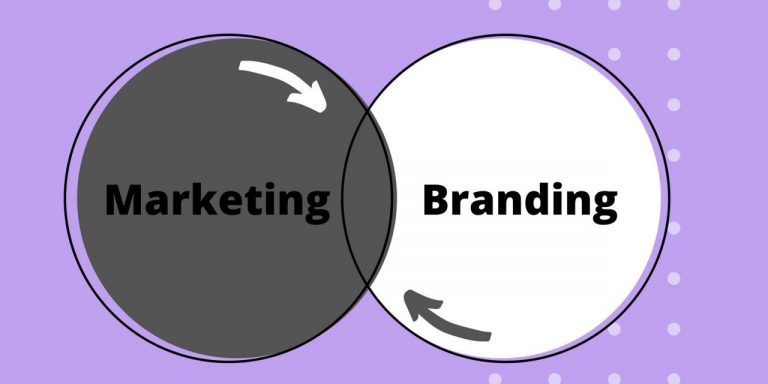
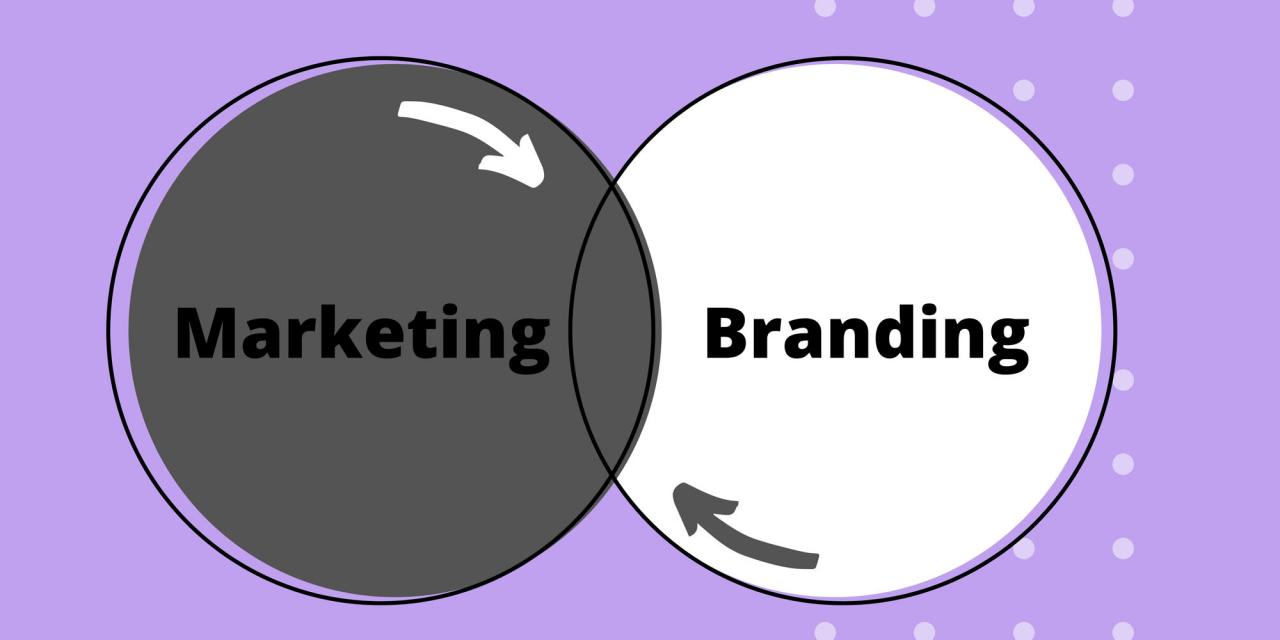
Marketing vs. Branding: What's The Difference?

Understanding the distinct roles of branding, marketing, and sales is crucial for any successful business. These three disciplines are interconnected, each contributing a unique element to the overall customer journey. Their interplay shapes a company’s image, attracts potential customers, and ultimately drives revenue.

Distinguishing Branding, Marketing, and Sales

These three concepts, while interconnected, have unique focuses and responsibilities. A clear understanding of each allows for more effective resource allocation and strategic alignment within a business.

Term Definition Focus Key Activities
Branding Branding is the process of creating a unique identity for a company, product, or service. It encompasses everything from the logo and visual style to the brand values and mission statement. Building a strong brand perception. Developing brand guidelines, crafting a brand story, managing brand reputation, and creating a consistent brand experience across all platforms.
Marketing Marketing encompasses the activities aimed at promoting a product or service to attract and engage potential customers. It focuses on understanding the target audience, developing effective communication strategies, and driving demand. Attracting and engaging potential customers. Market research, content creation, social media marketing, advertising campaigns, public relations, email marketing, and event planning.
Sales Sales is the process of converting potential customers into paying customers. It focuses on building relationships, addressing customer needs, and closing deals. Converting potential customers into paying customers. Prospecting, qualifying leads, presenting product/service value propositions, handling objections, negotiating contracts, and managing customer relationships.

Interplay and Overlap

Branding, marketing, and sales are not independent silos; they work in tandem. A strong brand provides a foundation for effective marketing, and successful marketing efforts drive sales. Effective sales strategies also contribute to the brand’s image.

  • Branding provides the identity that marketing communicates. A cohesive brand story enables marketing messages to resonate more effectively with the target audience. A strong brand reputation also increases trust, facilitating sales efforts.
  • Marketing supports the brand by generating awareness and interest. Well-executed marketing campaigns attract potential customers, leading to more qualified leads for the sales team.
  • Sales activities contribute to the brand’s reputation by delivering positive customer experiences. Customer feedback from sales interactions informs marketing strategies and brand messaging, creating a continuous cycle of improvement.

Differences Between the Disciplines

While interrelated, the three disciplines have distinct differences in their approach and goals.

  • Branding focuses on building a consistent and recognizable image, whereas marketing uses various tools to create demand. Sales is focused on the final conversion of the customer.
  • Branding is a long-term strategy, while marketing and sales often have shorter-term goals and timelines. Marketing and sales activities are directly related to specific products, campaigns, or customer segments, and must be monitored and adapted as needed.

Branding Strategies

Branding strategies are crucial for establishing a unique identity and building a loyal customer base in a competitive market. A well-defined brand strategy Artikels the core values, target audience, and overall messaging that will be used across all marketing and communication efforts. Effective branding goes beyond just a logo; it encompasses the entire customer experience.

Various Branding Strategies and Approaches

Different approaches cater to various business needs and target audiences. Some prominent strategies include:

  • Brand Storytelling: This strategy leverages narratives to connect with consumers on an emotional level. Stories humanize the brand, creating a deeper connection and fostering brand loyalty. A compelling narrative can highlight the brand’s origins, values, and mission, resonating with customers who share those values.
  • Brand Positioning: This involves defining the brand’s unique place in the market. It focuses on identifying a specific niche or segment and articulating how the brand differentiates itself from competitors. Strong brand positioning helps attract the ideal customer base and builds a sustainable competitive advantage.
  • Brand Personality: Defining a distinct personality for the brand, whether playful, sophisticated, or trustworthy, can significantly impact consumer perception. A consistent brand personality across all touchpoints reinforces the brand’s image and values, attracting customers who resonate with that persona.
  • Brand Experience Design: This approach focuses on creating a holistic brand experience across all touchpoints. From website design to customer service interactions, every element should contribute to the overall brand image and reinforce the desired message. This creates a cohesive and memorable brand journey.

Brand Consistency Across Platforms

Maintaining brand consistency across all platforms is paramount for building recognition and trust. This involves ensuring that the brand’s visual identity, messaging, and tone of voice remain consistent regardless of the channel. This uniformity across all platforms reinforces brand recognition, strengthens customer trust, and enhances brand perception.

  • Visual Identity: Consistency in logo usage, color palettes, typography, and imagery is essential. This ensures a recognizable visual identity across all marketing materials, websites, social media profiles, and physical locations.
  • Messaging and Tone of Voice: A consistent brand voice and messaging style are vital for creating a cohesive brand narrative. This ensures that all communication, whether in advertisements, social media posts, or customer service interactions, aligns with the brand’s core values and personality.
  • Customer Experience: The customer journey should be consistent across all touchpoints, from initial contact to post-purchase support. A unified and positive experience across the entire process reinforces brand loyalty and promotes positive word-of-mouth marketing.

Comparing and Contrasting Branding Styles

Different branding styles cater to different target audiences and industry contexts. Some popular styles include minimalist, modern, vintage, and bold.

  • Minimalist: Emphasizes simplicity and clean design. This style often uses a limited color palette and focuses on clear typography, creating a sophisticated and modern aesthetic.
  • Modern: Incorporates current design trends and a forward-looking approach. Modern branding is often characterized by clean lines, contemporary fonts, and a focus on functionality.
  • Vintage: Evokes a nostalgic and timeless feel. This style often incorporates classic imagery, typography, and color palettes that evoke a sense of tradition and history.
  • Bold: Creates a memorable and impactful impression through a strong visual presence. Bold branding often utilizes vibrant colors, striking imagery, and unconventional design elements to grab attention.

Successful Branding Campaigns

Illustrative examples demonstrate the power of effective branding strategies.

Brand Strategy Impact
Nike Leveraging storytelling and athlete endorsements. Established a strong brand identity associated with athleticism, performance, and empowerment.
Apple Focusing on minimalist design and user-centric experiences. Cultivated a loyal customer base by emphasizing innovative technology and premium aesthetics.
Coca-Cola Maintaining a consistent brand image and emotional connection. Built a global brand recognized for its history, cultural relevance, and positive associations.
Starbucks Creating a unique brand experience through premium coffee and a welcoming atmosphere. Developed a strong brand identity associated with quality, experience, and social connection.

Marketing Approaches

Marketing is the bridge connecting a brand with its target audience. Effective marketing strategies are crucial for building brand awareness, driving customer engagement, and ultimately, generating profitable leads. It encompasses a wide range of methods, from traditional advertising to sophisticated digital campaigns. A well-defined marketing plan can significantly impact a company’s growth trajectory and profitability.A comprehensive marketing approach considers various factors, including the target audience’s demographics, psychographics, and media consumption habits.

This tailored strategy ensures the marketing message resonates with the intended recipients, fostering a stronger connection and increasing the likelihood of conversions.

Digital Marketing Methodologies

Digital marketing has revolutionized how businesses reach and engage with customers. It offers a multitude of channels, each with unique strengths and weaknesses. Leveraging these channels effectively requires a strategic understanding of the target audience’s online behavior and preferences.

  • Search Engine Optimization (): involves optimizing a website and its content to improve its ranking in search engine results pages (SERPs). Higher rankings lead to increased organic traffic, enhancing brand visibility and driving potential customers to the website. For example, a clothing retailer optimizing its website for relevant s like “men’s fashion” or “winter jackets” will see an increase in visibility when potential customers search for those terms.

  • Social Media Marketing: Platforms like Facebook, Instagram, and Twitter offer powerful tools for brand building and customer interaction. Targeted advertising campaigns on these platforms allow businesses to reach specific demographics and interests, promoting engagement and driving website traffic. A successful social media strategy for a coffee shop, for instance, might involve posting high-quality images of their beverages, running contests, and responding promptly to customer comments.

  • Content Marketing: Content marketing focuses on creating valuable and engaging content that attracts and retains a target audience. This includes blog posts, articles, videos, infographics, and more. By providing insightful and helpful content, businesses can establish themselves as thought leaders in their respective industries, fostering trust and attracting potential customers. A software company, for example, could publish a series of articles on best practices for using their software.

  • Email Marketing: Email marketing remains a powerful tool for direct communication with potential and existing customers. Personalized email campaigns can nurture leads, promote products or services, and drive sales. A furniture retailer, for instance, could send targeted emails promoting sales on specific furniture pieces or announcing new product launches.

Traditional Marketing Methods

Traditional marketing methods, while sometimes considered less effective in the digital age, still play a crucial role for certain industries or audiences. A blend of digital and traditional strategies often yields the best results.

  • Print Advertising: Newspapers, magazines, and brochures remain effective channels for reaching specific demographics. Print advertising can be particularly useful for targeting local businesses or customers who prefer tangible materials. A local bakery, for instance, might use flyers distributed in the neighborhood to promote its latest offerings.
  • Television and Radio Advertising: Television and radio commercials continue to have the potential to reach large audiences. Their effectiveness depends on the specific target demographic and the cost-benefit analysis for the given campaign. A car manufacturer, for instance, could use a television advertisement to showcase the features and benefits of a new model.
  • Public Relations (PR): Building relationships with media outlets and influencers can generate positive publicity and enhance brand reputation. PR efforts can create awareness and generate positive press coverage. A technology startup, for example, might leverage PR to announce its latest product launch or highlight its innovative technology.

Marketing Metrics for Measuring Success

Measuring the effectiveness of marketing campaigns is essential for optimizing strategies and maximizing return on investment. Various metrics can be tracked to assess performance.

Metric Description
Website Traffic The number of visitors to a website, which can be tracked using tools like Google Analytics.
Conversion Rate The percentage of visitors who complete a desired action, such as making a purchase or signing up for a newsletter.
Customer Acquisition Cost (CAC) The cost of acquiring a new customer. This metric is crucial for evaluating the efficiency of marketing campaigns.
Return on Investment (ROI) The profitability of a marketing campaign, calculated by comparing the revenue generated to the cost of the campaign.

Sales Processes

The sales process is a critical bridge between the marketing efforts that generate leads and the closing of deals that ultimately translate into revenue. A well-defined and executed sales process ensures consistent, predictable results and allows for the efficient allocation of resources. This process encompasses various stages, from initial contact to final customer acquisition.Effective sales processes aren’t simply about making a sale; they are about building lasting relationships and fostering customer loyalty.

This long-term approach ensures repeat business and positive word-of-mouth referrals. Understanding the intricacies of the sales process is key to maximizing revenue and profitability.

Lead Generation Strategies

Generating leads is the first crucial step in the sales process. It involves identifying and attracting potential customers who are interested in the products or services being offered. This stage often relies on marketing activities like content marketing, social media campaigns, and paid advertising. Each method employs distinct strategies for capturing qualified leads.

  • Content marketing attracts potential customers by providing valuable and relevant content, such as blog posts, articles, or videos. This approach builds trust and positions the company as a thought leader in its industry, ultimately attracting high-quality leads.
  • Social media campaigns leverage the power of social networks to reach a broader audience and engage with potential customers. These campaigns utilize targeted advertising and organic posts to create awareness and generate leads.
  • Paid advertising involves using online platforms to reach a specific target audience with targeted ads. This method allows for precise targeting and efficient lead generation, often providing immediate results.

Sales Stages and Techniques

The sales process typically progresses through distinct stages, each requiring specific techniques and strategies.

  • Prospecting involves identifying potential customers who meet specific criteria and may be interested in the offered products or services. This often involves researching potential clients and evaluating their needs and desires. It’s critical to focus on qualifying leads to ensure they are a good fit for the product or service.
  • Qualifying involves evaluating potential customers to determine their need for the product or service and their ability to pay. This stage is crucial to prevent wasted time and resources on unsuitable leads. Thorough qualification ensures that the sales team is focusing on high-potential customers.
  • Needs Analysis involves understanding the customer’s specific needs and pain points. This is where the salesperson gathers information about the customer’s business and goals, identifying how the product or service can address those needs. This detailed understanding guides the sales process towards a successful outcome.
  • Presentation involves showcasing the product or service’s value proposition. This stage often involves a demonstration or explanation of the product’s features and benefits, tailored to address the customer’s specific needs.
  • Handling Objections involves proactively addressing customer concerns or objections. This stage is critical for building trust and showing that the salesperson is capable of addressing any doubts or concerns the customer may have. A prepared and empathetic response to objections is essential.
  • Closing the Deal involves securing a commitment from the customer to purchase the product or service. This stage often requires a clear understanding of the customer’s decision-making process and the ability to tailor the closing approach to that process. This includes ensuring all terms and conditions are agreed upon, and the paperwork is completed.
  • Follow-up involves maintaining contact with the customer after the sale to ensure their satisfaction and build long-term relationships. This stage fosters customer loyalty and often includes sending thank-you notes, providing support, and actively seeking feedback.

Effective Sales Communication

Effective sales communication is paramount to success. It involves clear, concise, and persuasive communication tailored to the specific customer.

  • Active Listening is crucial for understanding the customer’s needs and concerns. This allows the salesperson to tailor their approach and effectively address the customer’s specific requirements.
  • Building Rapport is essential for establishing trust and a positive relationship with the customer. This involves demonstrating empathy, understanding, and a genuine interest in the customer’s needs.
  • Using Persuasive Language involves tailoring the communication to resonate with the customer. This includes using language that is clear, concise, and emphasizes the value proposition of the product or service.
  • Handling Difficult Situations involves having a clear plan for addressing challenging customer interactions. This often involves remaining calm, actively listening, and seeking solutions to resolve the issue.

The Interplay of Branding, Marketing, and Sales

Branding, marketing, and sales are not isolated functions; they are interconnected components of a successful business strategy. Effective companies understand that these disciplines must work harmoniously to achieve their objectives. Strong branding provides a foundation for marketing efforts, while effective marketing activities generate leads for sales teams to convert into customers.A strong brand significantly influences sales conversion rates.

Consumers are more likely to trust and purchase from a brand they recognize and value. This trust, built through consistent branding and marketing efforts, translates into a higher likelihood of a sale.

The Synergistic Relationship

Branding establishes the identity and perception of a company. Marketing activities then leverage this identity to reach potential customers and create demand. Sales teams utilize the generated leads and positive brand perception to close deals and foster customer relationships. This interconnected approach is crucial for sustained business growth.

Impact of Strong Branding on Sales

A robust brand acts as a powerful catalyst for sales conversions. A strong brand fosters trust and recognition, leading to increased customer confidence and a higher propensity to purchase. Customers are more likely to choose a familiar and well-regarded brand over an unknown competitor, even if the price point is similar. For example, a brand known for quality and innovation, like Apple, often commands premium prices due to the strong brand perception.

This translates into higher conversion rates and greater profitability.

Cohesive Strategy for Business Growth

A cohesive strategy across branding, marketing, and sales is essential for sustainable business growth. A well-defined brand identity provides a clear framework for all marketing activities. Targeted marketing campaigns, in turn, generate qualified leads that sales teams can efficiently convert into customers. A successful example is Nike, whose strong brand image (performance, quality, aspiration) is consistently reinforced through marketing campaigns, enabling them to effectively capture customer interest and drive sales.

Flowchart of Interaction

The following flowchart illustrates the interaction between branding, marketing, and sales: Flowchart illustrating the interaction between branding, marketing, and sales.
[Image Description: A simplified flowchart visually depicts the interconnectedness of branding, marketing, and sales. The flowchart begins with a “Brand Identity” box, which feeds into “Brand Messaging and Positioning” and “Marketing Strategies.” These two branches feed into a “Lead Generation” box. The “Lead Generation” box feeds into a “Sales Process” box.

Each box has arrows connecting it to the subsequent box, highlighting the sequential flow of information and activity. Arrows indicate the flow of information and action. Arrows also connect the sales process box back to the brand identity box to show how the process iterates and learns to continuously improve the brand.]

Digital Marketing Strategies

Digital marketing has become the cornerstone of modern business strategies, dramatically reshaping how companies connect with customers and drive revenue. Its evolution from simple online advertisements to sophisticated data-driven campaigns reflects the ever-changing digital landscape. Understanding the various digital marketing channels and their effectiveness is crucial for maximizing ROI and staying competitive.The digital realm provides businesses with unparalleled opportunities to engage with their target audience, fostering brand awareness and driving conversions.

Effective digital marketing strategies leverage a diverse range of channels to build relationships, promote products, and ultimately achieve business objectives. This approach is far more dynamic and measurable than traditional marketing methods, allowing for continuous optimization and improvement.

Evolution of Digital Marketing

Digital marketing has evolved from basic websites and email campaigns to sophisticated multi-channel strategies incorporating social media, search engine optimization (), and pay-per-click (PPC) advertising. The initial focus was on creating online presence, while modern approaches prioritize user experience, personalization, and data-driven insights. This evolution reflects the increasing sophistication of online behavior and the need for tailored marketing strategies.

Different Digital Marketing Channels and Their Effectiveness

Various channels offer different strengths and reach specific demographics. Understanding their effectiveness is key to building a comprehensive digital marketing strategy.

  • Search Engine Optimization (): improves organic search engine rankings, driving targeted traffic to a website. It involves optimizing website content, meta descriptions, and other elements to enhance visibility in search results. Success relies on research, on-page optimization, and off-page activities.
  • Social Media Marketing: Social media platforms offer opportunities to engage with customers, build brand communities, and promote products or services. Platforms like Facebook, Instagram, Twitter, and LinkedIn offer distinct features, allowing tailored campaigns for specific target audiences. Effectiveness hinges on understanding audience preferences and employing engaging content strategies.
  • Pay-Per-Click (PPC) Advertising: PPC campaigns use paid advertisements to drive traffic to websites. Platforms like Google Ads and Bing Ads allow businesses to target specific s, demographics, and locations. Effective campaigns require meticulous selection, compelling ad copy, and ongoing performance analysis.
  • Content Marketing: Content marketing focuses on creating and distributing valuable, relevant, and consistent content to attract and retain a clearly defined audience. This includes blog posts, articles, infographics, videos, and other forms of media. Success in content marketing depends on understanding audience needs and providing valuable information.
  • Email Marketing: Email marketing remains a powerful channel for nurturing leads and promoting products or services. Personalized emails and targeted campaigns can significantly impact customer engagement and conversion rates. Effectiveness depends on building an email list and segmenting subscribers.

Examples of Successful Digital Marketing Campaigns

Several campaigns demonstrate the power of digital marketing. A successful campaign will leverage multiple channels and align with overall business goals.

  • Nike’s “Dream Crazier” Campaign: This campaign on social media effectively used user-generated content and emotional storytelling to inspire women and build brand awareness. Its success stemmed from authentic engagement and clear messaging.
  • Dollar Shave Club: This company utilized viral marketing on YouTube to establish a strong brand identity and build a large customer base. The humor and simplicity of their video marketing resonated with their target audience.

Importance of Data Analysis in Digital Marketing

Data analysis is fundamental to understanding campaign performance, identifying areas for improvement, and optimizing strategies. Key metrics such as website traffic, conversion rates, and customer engagement provide insights into campaign effectiveness.

  • Tracking Key Metrics: Tracking metrics like website traffic, bounce rate, conversion rates, and customer acquisition cost provides actionable data for optimization.
  • Analyzing Data for Insights: Analyzing data reveals trends and patterns that inform strategic decision-making, allowing for campaign adjustments and improved outcomes.

Comparison of Digital Marketing Platforms

Different platforms cater to different needs and target audiences. Understanding their strengths and weaknesses is essential for effective campaign design.

Platform Strengths Weaknesses
Google Ads Extensive targeting options, strong analytics Can be complex to manage, requires ongoing optimization
Facebook Ads Large audience reach, detailed targeting options Privacy concerns, algorithm changes can impact performance
Instagram Ads Visual focus, strong engagement potential Limited targeting options compared to Facebook

Case Studies

Analyzing real-world examples of successful and unsuccessful brand, marketing, and sales integration is crucial for understanding the complexities and nuances of these interconnected fields. These case studies illuminate the practical application of the theoretical frameworks discussed previously, highlighting both the triumphs and pitfalls of integrating these strategies.Effective integration of branding, marketing, and sales strategies often leads to significant market share gains and enhanced profitability.

Conversely, a lack of integration can hinder progress and lead to missed opportunities. Examining both successful and unsuccessful cases provides valuable lessons that can inform future strategies.

Successful Integration: Patagonia

Patagonia’s brand is deeply rooted in environmentalism and sustainability. Their marketing consistently reinforces this core value, often using evocative imagery and storytelling to connect with consumers who share these values. This strong brand message aligns perfectly with their sales processes, which often prioritize durable, high-quality products that are meant to last. This alignment creates a positive customer experience, driving repeat business and brand loyalty.

Patagonia’s commitment to fair labor practices and ethical sourcing further reinforces their brand image, fostering trust and solidifying customer relationships. The result is a strong, recognizable brand that resonates with environmentally conscious consumers and drives sales through a consistent and transparent message.

Failed Integration: A Hypothetical Tech Startup

Consider a hypothetical tech startup that focused heavily on aggressive marketing campaigns emphasizing the latest technological features. However, their branding lacked a clear identity, and their sales team struggled to effectively communicate the value proposition beyond mere technical specifications. This disconnect between brand, marketing, and sales led to customer confusion and a lack of trust. The marketing campaign emphasized features without highlighting the problem they solved or the customer benefit.

This lack of a clear brand identity resulted in a confusing customer experience and ultimately hindered sales conversion. Furthermore, the sales team was not properly trained on the value proposition, causing them to miss opportunities to connect with potential customers on an emotional level.

Analysis of Successes and Failures

Patagonia’s success stems from a cohesive integration of branding, marketing, and sales, all focused on a clear and consistent value proposition. In contrast, the hypothetical tech startup’s failure highlights the importance of a well-defined brand identity, effectively communicated through all channels. The failure stemmed from a disconnect between the brand message, marketing campaigns, and the sales process. Patagonia’s focus on sustainability resonated with a specific customer segment, while the tech startup’s failure to articulate a compelling brand story limited its appeal and ultimately hindered sales.

Implementation in a Real-World Scenario

Patagonia implemented its integrated approach by consistently communicating its brand values in all marketing materials, from website design to social media campaigns. The company ensures its sales team understands the brand values and communicates them effectively to customers. This consistency creates a cohesive customer experience, strengthening brand loyalty and driving sales.The hypothetical tech startup, on the other hand, lacked a clear understanding of how its marketing and sales efforts should align with its brand identity.

The startup’s marketing materials were inconsistent, and the sales team struggled to articulate the product’s value in a way that resonated with potential customers.

Key Differences in a Table Format

Understanding the nuances between branding, marketing, and sales is crucial for a cohesive and effective business strategy. These three functions, while distinct, are deeply interconnected, working together to achieve common business objectives. This table highlights the key differences and emphasizes their collaborative nature.

Differentiation of Branding, Marketing, and Sales

This table Artikels the key distinctions between branding, marketing, and sales, illustrating their unique roles and interdependencies within a business.

Aspect Branding Marketing Sales
Definition Crafting a unique and memorable identity for a company or product, encompassing its values, personality, and visual representation. Promoting a product or service to generate interest and drive demand among target audiences. Converting leads into paying customers by addressing their needs and closing deals.
Goals Establish brand awareness, build brand loyalty, and create a positive brand perception. Generate leads, increase brand visibility, and drive sales conversions. Close sales, achieve revenue targets, and build strong customer relationships.
Metrics Brand awareness scores, social media engagement, brand sentiment analysis, website traffic related to brand identity. Website traffic, lead generation, conversion rates, customer acquisition cost (CAC), marketing ROI. Sales volume, average deal size, customer lifetime value (CLTV), sales cycle length, customer satisfaction.
Typical Activities Developing brand guidelines, designing logos and visual assets, crafting brand stories, creating a brand voice, and managing brand reputation. Creating marketing campaigns, running advertising, conducting market research, optimizing website content, and using social media. Prospecting, qualifying leads, conducting presentations, negotiating terms, closing deals, and providing after-sales support.
Interconnectedness Provides the foundation for all marketing and sales efforts. A strong brand attracts and retains customers. Utilizes the brand identity to communicate value and resonates with the target audience. It bridges the gap between the brand and the customer. Converts marketing leads into customers, ensuring sales activities align with the brand’s values and promises. Successfully closing deals reinforces the brand’s credibility.

Interplay of Branding, Marketing, and Sales

The success of any business hinges on the synergistic relationship between branding, marketing, and sales. Each function plays a vital role in achieving overall business objectives, and their interplay is crucial for sustainable growth.

For example, a strong brand identity (branding) makes it easier to attract the right customers. Effective marketing campaigns (marketing) then communicate the brand’s value proposition to these potential customers, generating leads. Finally, sales teams (sales) convert these leads into paying customers, solidifying the brand’s reputation and achieving revenue targets. The key is to align the strategies and activities of each function to ensure a cohesive and effective customer journey.

Closing Notes

In conclusion, branding, marketing, and sales are not isolated functions but interconnected elements forming a powerful engine for business success. A well-defined brand, effective marketing strategies, and a robust sales process work in tandem to achieve optimal results. This guide has provided a framework for understanding the critical differences and overlapping areas, equipping you with the knowledge to develop a holistic approach to achieving your business goals.

User Queries

What’s the primary goal of branding?

The primary goal of branding is to establish a unique and recognizable identity for a company or product, fostering customer loyalty and differentiation in the marketplace.

How does marketing support branding?

Marketing activities help communicate and reinforce the brand message to target audiences, increasing brand awareness and driving customer engagement.

What are some common sales metrics?

Common sales metrics include conversion rates, average deal size, customer lifetime value, and sales cycle length.

What’s the difference between a digital and traditional marketing campaign?

Digital marketing utilizes online channels like social media and search engines, while traditional marketing relies on print, radio, and television. Both aim to reach target audiences, but digital often allows for more targeted and measurable results.